Executive Functioning Coaching / Skills

Planning, starting, and finishing get easier with the right supports. This page offers step-by-step skills: time mapping, task chunking, external reminders, and friction-busting setups. You’ll learn how to design days that fit your brain and your goals.

Blog posts related to ADHD

If your emotions feel “too much,” you’re not broken, you’re human. Many adults with ADHD experience emotional intensity, overwhelm, and rejection sensitivity that make daily life exhausting. This post teaches you how to ride the feeling, not fight it, using small, science-backed steps to calm your nervous system and build self-trust. Learn the simple Notice → Pause → Choose method to replace shame with self-compassion and regain your emotional balance one gentle moment at a time.
Feeling drained by endless scrolling? You’re not alone. Platforms like TikTok and Reels are designed to hijack your attention, fragmenting focus and fueling digital fatigue. This post introduces a simple fix: the 15-minute media swap. Replace reactive scrolling with intentional, long-form content: a book, a podcast, a meaningful article. With mindful media choices, you can rebuild focus, reclaim calm, and shift from dopamine-driven distraction to deep, intentional attention.
Sharing a home with ADHD means navigating more than forgotten chores; it’s learning to communicate across different brain styles. In neurodiverse relationships, emotional intensity, disorganization, and overwhelm can strain even the strongest bonds. This post helps couples replace blame with curiosity, strengthen empathy, and create shared structure that supports both partners. Learn how small shifts: like asking better questions and setting clear, time-bound systems. This can turn daily chaos into connection and collaboration.
Ever feel like your brain is hijacked by endless pings and scrolls? For adults with ADHD, this isn’t a weaknessi. Constant digital distraction cycles are powered by dopamine loops that make apps feel irresistible and leave you battling focus fatigue. Every notification adds a costly task-switch, draining your mental energy. The good news: with small resets like adding friction to apps, naming triggers, and using movement, you can interrupt the loop and reclaim attention.
Multitasking feels like a productivity badge, but science shows it’s an illusion. Every time you switch tasks, your brain pays a hidden task switching cost, draining energy and creating focus fatigue. Instead of boosting efficiency, juggling emails, chats, and projects leaves you scattered and stressed. The solution is intentional single-tasking, or “monotasking.” By setting micro-boundaries, auditing notifications, and celebrating small wins, you’ll reclaim attention, reduce burnout, and align your work with what matters most.
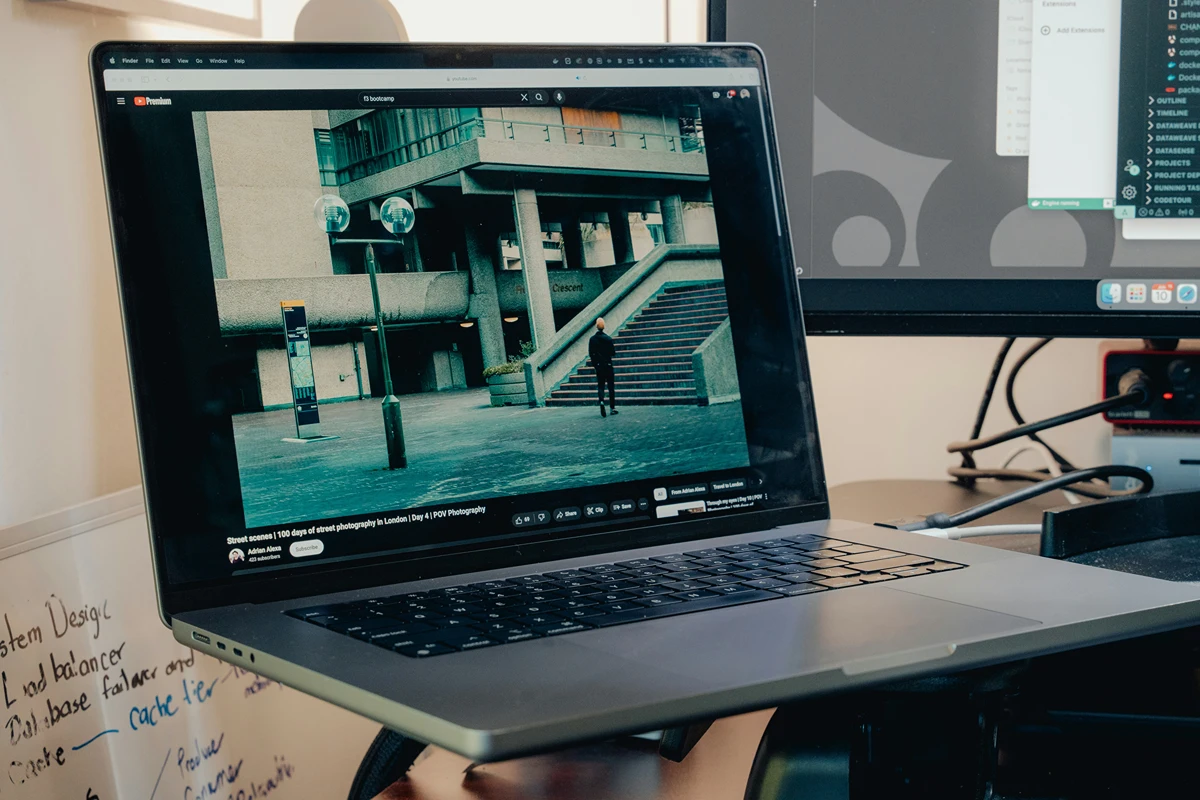
YouTube’s autoplay can turn one quick video into an endless binge watching spiral, leaving you overwhelmed and unfocused. If you’ve ever lost hours to the algorithm, you’re not alone. This guide shows you how to reclaim control with a simple three-step routine: disable autoplay, build a “watch later” habit, and set a 3-video limit. By creating intentional boundaries, you’ll break the multitasking cycle, sharpen your focus, and free up time for what really matters.