Work From Home

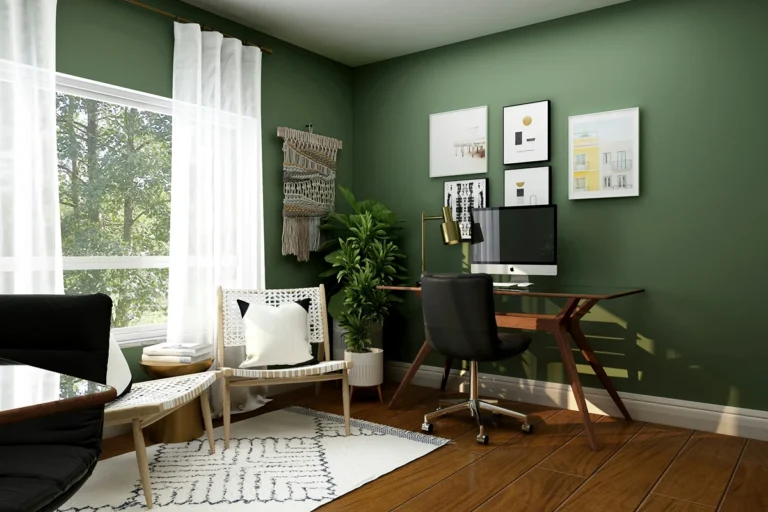
Work from home offers flexibility but also brings challenges like fatigue and blurred boundaries. Explore strategies to stay productive, avoid burnout, and build a healthier remote work routine that supports well-being.

After recovering from paralysis, Amanda Campbell noticed a pattern among burned-out leaders: they’d tried every strategy, yet their bodies still wouldn’t let them rest. This post explains why burnout isn’t a mindset problem, but a somatic one—and how the THRIVE program was designed to rebuild resilience by addressing the nervous system, stored stress, and the physical realities of digital overload, not just productivity habits.
Digital burnout isn’t just mental, it lives in the body. Drawing on kinesiology, this post reveals the physical and nervous system patterns behind compulsive screen use, from chronic fight-or-flight to energy depletion. It explains why willpower-based tech boundaries often fail and introduces the BAMBOO Method, a somatic approach to building flexible, sustainable resilience especially for neurodivergent, high-performing leaders navigating constant digital demand.
You may already be doing digital wellness work—ADHD and TikTok, couples fighting about phones, teens gaming late, burnout from constant notifications. Offline.now helps you turn these everyday client themes into a clear, searchable specialty. Join the first directory dedicated to tech-related mental health so clients can find you for the issues they’re already struggling with. Expand your visibility, articulate your niche, and connect with people who truly need your expertise.
Remote work, study and “side projects” all live on the same screens now—and your brain is feeling it. This guide is your hub for digital burnout at work and school: video call fatigue, inbox chaos, calendar anxiety, tech neck, and the pressure to be “always on.” You’ll find humane strategies for focus, email, tools and boundaries, plus small experiments to protect your energy so you still have something left for life off-screen.
Feeling stretched thin and constantly plugged in? You don’t need a full digital detox to reclaim calm. This post introduces the one-step weekly boundary; a gentle, realistic way to reduce overwhelm and regain focus. Learn how to set a simple phone-free routine, align it with your values, and use quick reflection prompts to stay consistent. One mindful boundary a week can rebuild confidence, balance, and digital clarity.
Sharing a home with ADHD means navigating more than forgotten chores; it’s learning to communicate across different brain styles. In neurodiverse relationships, emotional intensity, disorganization, and overwhelm can strain even the strongest bonds. This post helps couples replace blame with curiosity, strengthen empathy, and create shared structure that supports both partners. Learn how small shifts: like asking better questions and setting clear, time-bound systems. This can turn daily chaos into connection and collaboration.
You’ve built motivation, now it’s time to make your space work for you. An environment upgrade turns discipline into design: shaping surroundings that make healthy digital habits effortless. By adding small friction points, like moving your phone out of the bedroom, and creating tech-free zones that signal rest and connection, you shift from willpower to flow. This reset isn’t restriction: it’s liberation. When your environment aligns with your intentions, calm and clarity become your new defaults.
If your weekends feel more like overtime than rest, it’s time to set boundaries. The “always-on” culture fuels exhaustion and burnout, but digital rest can help you recover. By setting clear weekend boundaries—like a tech-free bedroom, a phone-free meal, or a planned unplug block—you reclaim focus and energy. These small, intentional rituals protect your attention, reduce stress, and remind you that rest isn’t a reward—it’s a reset for the week ahead.
Feeling wiped out after endless Zoom calls? You’re not alone. Zoom fatigue is a unique kind of digital exhaustion caused by constant visibility and cognitive overload. The pressure to stay camera-ready blurs work–life boundaries and drains focus. The good news: simple boundaries can help. Learn how camera-optional meetings, focus blocks, and asynchronous tools reduce video call stress, rebuild attention, and make remote work feel human again—without sacrificing connection.
Feeling crushed by constant pings and pop-ups? You’re not alone, notification stress is one of the biggest drivers of tech overwhelm. But relief is built right into your phone: Do Not Disturb (DND). Instead of a restriction, think of DND as your anxiety first aid kit; a quick, low-effort way to reclaim focus and calm. With small micro-experiments and simple “if-then” routines, you can build confidence, reduce overload, and feel more in control instantly.