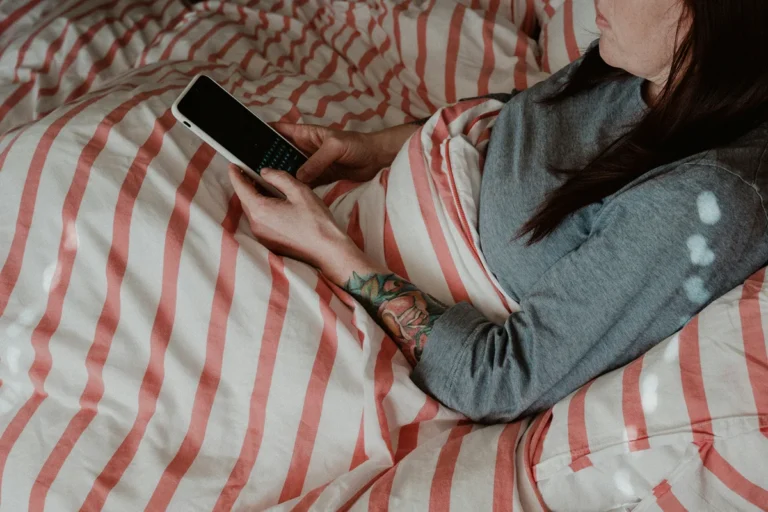
When Screens Replace Intimacy (and When They’re Just a Symptom)
There’s a particular kind of hurt that shows up when someone feels replaced by a screen. It’s not just about attention. It’s about desirability, importance, and emotional access.
“They’d rather be on their phone than be with me.”
Sometimes screens genuinely crowd out intimacy, late nights scrolling instead of sleeping together, constant distraction during moments that could have been connective. But more often, screens step in after intimacy has already started to feel complicated.
Intimacy asks a lot. Emotional closeness requires presence, repair, and tolerance for discomfort. Sexual intimacy requires embodiment, vulnerability, and the risk of not being met. When those things start to feel heavy, because of stress, resentment, pressure, or past hurt, people look for somewhere else to put their attention. Screens offer a kind of relief. Stimulation without exposure. Engagement without rejection. Control without negotiation.
For someone feeling overwhelmed or unsure of how to show up, a screen can feel safer than closeness. That doesn’t mean they don’t want intimacy. It often means they don’t know how to return to it without things getting harder first. This is where relationships can get stuck. One partner sees the screen as the problem. The other sees it as the only way to cope. Both feel justified. Both feel unseen.
The distinction that matters is whether the screen is the cause of disconnection or a response to it.
When screens are treated as the cause, solutions tend to focus on rules: no phones in bed, tech-free dinners, time limits. These can help in the short term, but they often fall apart if the emotional context hasn’t changed. Presence without safety doesn’t restore intimacy. It just creates pressure.
When screens are understood as a coping strategy, the focus shifts. What has intimacy started to represent here? Is it pressure? Performance? Conflict? Fear of rejection? Unspoken resentment?
In many cases, screens are doing a job. That job is protecting someone from feeling exposed, inadequate, or overwhelmed. Removing them without addressing what they’re buffering can feel like asking someone to stand in the middle of a storm without shelter. That doesn’t mean impact doesn’t matter. Feeling ignored or replaced hurts, regardless of intention. Both experiences deserve attention.
The work is often about rebuilding safety before rebuilding closeness. Slowing things down. Repairing emotional ruptures. Talking honestly about what feels hard to give or receive. Making intimacy feel collaborative instead of demanding.
When closeness feels safer, screens naturally take up less space. Not because anyone forced change, but because they’re no longer the most comfortable option.
The question isn’t really how to get rid of screens. It’s what kind of intimacy people are being asked to return to. When that intimacy feels mutual and grounded, most people want to show up for it.
Blog post by Ashlyn James, a Registered Psychotherapist and founder of Mindful Pleasures Therapy.