Time Blindness Coaching

If time keeps slipping, you’re not lazy—your brain tracks it differently. This page offers external clocks, visual timers, “how long?” guesses, and landing pads between tasks. You’ll learn to see time, not just feel it.

Blog posts related to Students

The first holiday after divorce doesn’t have to feel like a loss. In fact, mine turned out sweeter, calmer, and surprisingly joyful. By letting go of old expectations and creating simple new traditions with my kids, the season became ours again: cozy, meaningful, and enough. If you’re navigating this transition, you’re not alone. With a few gentle shifts, your holidays can feel lighter and more aligned with what truly matters. Let’s make them yours.
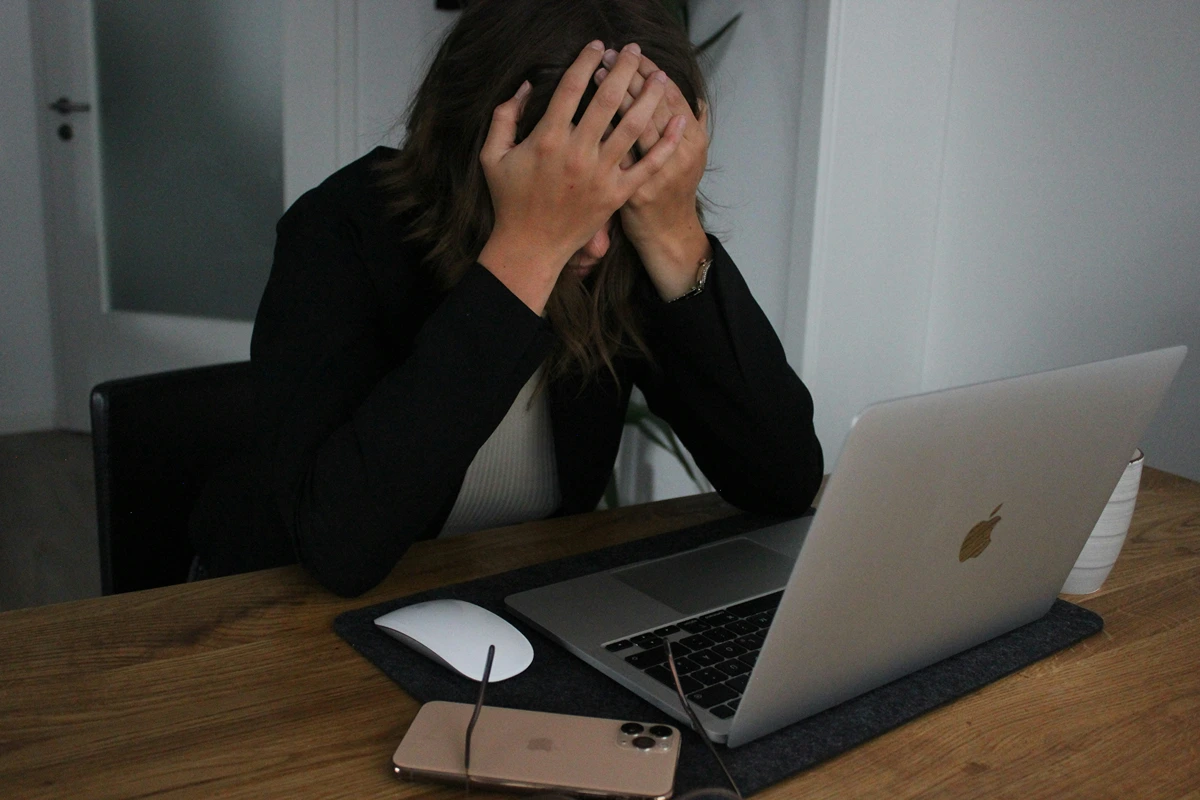
Remote work, study and “side projects” all live on the same screens now—and your brain is feeling it. This guide is your hub for digital burnout at work and school: video call fatigue, inbox chaos, calendar anxiety, tech neck, and the pressure to be “always on.” You’ll find humane strategies for focus, email, tools and boundaries, plus small experiments to protect your energy so you still have something left for life off-screen.
Screens slipped quietly into the middle of our families, meals and marriages and now it’s hard to remember what being together felt like before the scroll. This guide is your starting point for rethinking phones, parenting and partnership without going full “no screens ever” mode. You’ll explore boundaries for kids and teens, desire and dating in the app era, and simple family rituals that make real connection feel possible again, even when life feels unbearably busy.
Feeling anxious about your teen’s screen time? You’re not alone. Many parents struggle with digital parenting stress and constant device tension at home. Research confirms that excessive use affects sleep, mood, and focus—but the solution starts with you. By practicing self-compassion, modeling balanced tech habits, and setting gentle family boundaries, you can shift from control to connection and bring calm back into your home—one screen-free moment at a time.
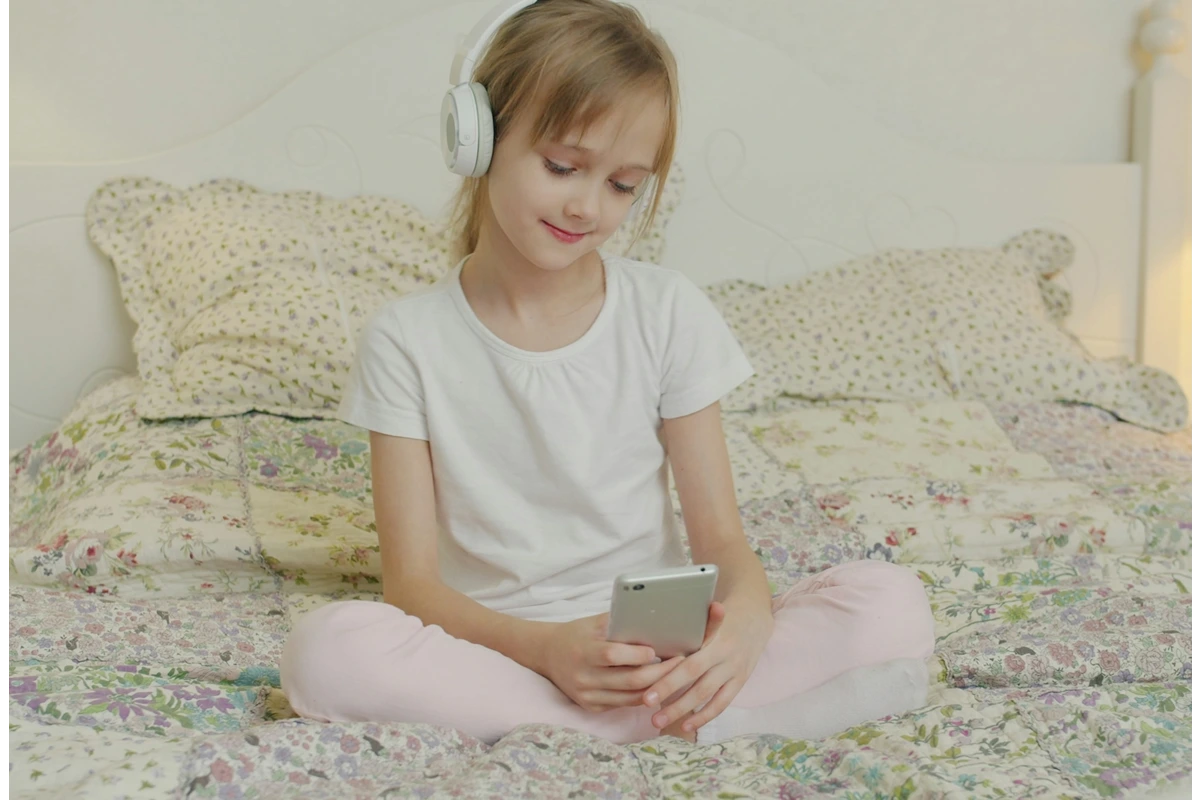
Tired of chaotic mornings and restless nights? A simple change: moving your phone out of the bedroom can transform your family’s energy and focus. Research shows that blue light and late-night scrolling disrupt sleep and self-control. Creating phone-free mornings builds healthier bedtime boundaries, reduces digital clutter, and helps families reconnect. This small environmental upgrade brings calm, clarity, and presence back to your mornings - no drastic detox required, just a bedside reset that actually works.
Ever feel like your brain is hijacked by endless pings and scrolls? For adults with ADHD, this isn’t a weaknessi. Constant digital distraction cycles are powered by dopamine loops that make apps feel irresistible and leave you battling focus fatigue. Every notification adds a costly task-switch, draining your mental energy. The good news: with small resets like adding friction to apps, naming triggers, and using movement, you can interrupt the loop and reclaim attention.