Can’t Put Your Phone Down?
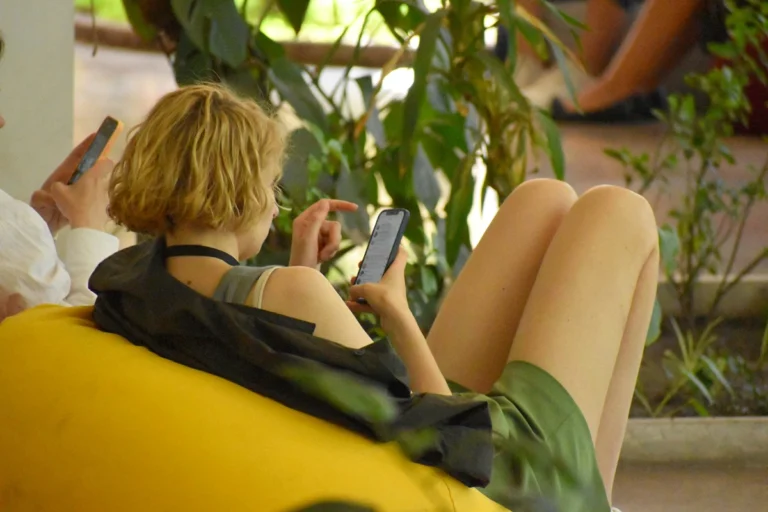
You open your phone just to “see what’s going on.” Then one news alert turns into five. One reel turns into thirty. One “quick check” turns into an hour of your thumb moving on autopilot.
You put your phone down feeling… wired, tired, vaguely annoyed at humanity, and somehow still not caught up. If you’ve ever thought: “Why can’t I just stop scrolling?” this hub is for you.
Here, we’ll name what’s happening (doomscrolling, zombie scrolling, micro-scrolling), look at how short-form content hooks your brain, and walk through realistic ways to step out of the spiral—without pretending you’re never going to open TikTok or Instagram again. When you want to go deeper on a specific angle, we’ll point you to posts like Zombie Scrolling vs. Doomscrolling: Know the Terms, How To Stop Doomscrolling, and Digital Overwhelm Solutions For Feeling Stuck.
What is Doomscrolling, Zombie Scrolling & Micro-Scrolling?
Let’s name the behaviours first, so your brain has something to hang this on.
Doomscrolling
Doomscrolling is what happens when you get stuck in a loop of:
- News
- Hot takes
- Comment sections
If you want a clean, side-by-side definition (with examples), Zombie Scrolling vs. Doomscrolling: Know the Terms breaks down the difference and gives you a language for what’s going on.
Zombie Scrolling
Zombie scrolling can look calmer from the outside, but inside it’s the same autopilot feeling:
- You’re not really choosing what you see
- You’re not really enjoying it
- You’re just there
This can happen on TikTok, Instagram, YouTube, streaming platforms, or even “harmless” stuff like recipe accounts and organizing videos.
Micro-Scrolling
Then there’s micro-scrolling: the tiny check-ins that add up.
- Opening Instagram Stories between tasks
- Instagram Stories Addiction: Curb Micro-Scrolling digs into this.
- Checking Twitter or news every time you stand up
- Flipping through notifications at red lights
They feel small in the moment, but they fragment your attention into confetti. To see how short-form content got this powerful in the first place, From TV to TikTok: Overwhelm of Short Form Content walks through the shift from scheduled shows to infinite feeds. If you’re already at the “too much is happening in my brain” stage, Digital Overwhelm Solutions For Feeling Stuck is a good companion read while you work through this guide. And if you’re ready to start changing your relationship with media at a higher level, Intentional Media Consumption: Swap Out Short Form Content can help you redesign how content fits into your day.
Why Short-Form Feeds Feel So Addictive
Short-form platforms lean on:
- Endless novelty – Every swipe is something new.
- Variable rewards – Most content is “meh,” but every so often something is perfect for you.
- Emotional spikes – outrage, awe, cuteness, fear & jealousy swirled in no particular order.
In How To Stop Doomscrolling, we break down the “slot-machine effect” in more detail and give you basic moves to interrupt it before bed, on breaks, and during anxiety spirals.
For now, just hold this in mind:
You are not failing at self-control.
You’re interacting with systems built to keep you there.
Social Feeds, FOMO & the Comparison Trap
It’s not just the amount of content. It’s what it does to how you see yourself and your life.
When Your Feed Feels Like a Performance Review
It can feel like your social feeds are constantly grading you:
- Their job, your job
- Their vacation, your dishes
- Their relationship, your situationship
If you’re noticing more comparison than connection, Building Confidence Online: Stop Comparing Yourself to Others offers specific tools to soften that inner critic, and Positive Effects of Social Media – with Limits helps you reclaim what’s good about being online without letting the scroll take over.
FOMO: Fear of Missing Out, All the Time
When there’s always more to see, there’s always more you could be doing:
- More news to follow
- More reels to watch
- More events, trends, and opportunities to chase
Social Media FOMO? Stay Connected Not Obsessed walks through how to stay plugged into what matters without turning your nervous system into a live wire. If your FOMO is career-shaped; worried about your resume, your network and your colleagues’ highlight reels. LinkedIn Anxiety Toolkit: Beat Career FOMO speaks directly to that flavour of “I’m already behind.”
Curating Your Feed on Purpose
You are allowed to design your feed. A few starting points:
- Mute or unfollow accounts that consistently make you feel worse
- Add accounts that leave you feeling calm, informed, or genuinely inspired
- Move apps off your home screen so you have to choose them
Curate a Positive Social Feed & Scroll with Purpose is a step-by-step guide to turning your feed from a firehose into something closer to a garden.
And if you feel torn between “showing up authentically” and protecting your privacy and mental health, Privacy on Social Media: Balancing Identity vs Authenticity can help you find a middle ground.
Platform-Specific Scroll: TikTok, Instagram, YouTube & More
Not all scrolling is created equal. Different platforms hook you in different ways.
Instagram: Reels, Stories & the Infinite Scroll
If you’ve ever opened Instagram “for one DM” and ended up 40 reels deep, you’re not alone.
- Addicted to Instagram Reels? Regain Your Focus looks at why Reels are so sticky and how to interrupt that loop.
- Instagram Stories Addiction: Curb Micro-Scrolling zooms in on the “just one story, just one more story” behaviour that eats your day in tiny bites.
You don’t have to delete Instagram. But you may want to change when, how, and why you open it.
TikTok: The Personalized Rabbit Hole
TikTok is a masterclass in “endless novelty plus perfect tailoring.”
If your “For You” page somehow knows you better than your friends, Stop TikTok Scrolling and Reclaim Your Time walks you through:
- Creating intentional viewing windows
- Breaking the “before bed TikTok” habit
- Designing offline alternatives your brain actually likes
YouTube & Streaming: The Long-Form Trap
Scrolling isn’t always 15 seconds long. Sometimes it’s “just one more episode” or “just one more video while I eat.”
- YouTube Binge Watch Break: Setting Personal Limits gives structure for when YouTube becomes the default filler for every spare moment.
- Binge-Watch Balance: Limits for Streaming helps you find an actual middle ground between “I don’t watch anything” and “I forgot what sunlight feels like.”
Shopping as Scrolling
Sometimes the scroll doesn’t look like content at all; it looks like carts, wishlists, and sales.
If you notice you’re browsing more than buying, or buying more than you planned, Curb Online Shopping: Spend Less & Reduce Clutter covers:
- The dopamine hit of “add to cart”
- Emotional triggers for late-night shopping
- How to create “cool-down” steps between scroll and purchase
News Fatigue & Information Overload
It’s not just entertainment that overwhelms. It’s the sense that you must be constantly informed or you’re being irresponsible.
When Staying Informed Stops Helping
There’s a difference between:
- Checking the news to understand what’s happening
- And checking the news so often that your body never gets a break
News Fatigue? Stay Informed Not Exhausted helps you:
- Decide how much news is “enough” for you
- Choose specific times and sources
- Create a ritual for “closing” the news for the day
Are My Numbers Normal?
If you’ve looked at your screen-time report and wondered if you’re totally off the rails, Average Screen Time 2025: What the Numbers Mean gives context without turning it into a shame session. Remember: the goal isn’t to hit some magical number. It’s to find the screen time that is healthy for you.
Social Media Cleanses & Deep Rest
If you’re deep in the doomscroll and craving a reset, you might experiment with:
- A short social media break
- A platform-specific pause (e.g., just TikTok)
- A structured challenge
30-Day Social Media Cleanse offers a month-long framework if you want something more guided.
If you know you’re not just tired, you’re digitally exhausted, Digital Rest: Training Your Brain to Truly Log Off helps you think about rest as more than “taking a break from your phone while being stressed about your phone.”
The Emotional Cost: Loneliness, Numbness & Self-Trust
Even when the scroll feels numbing, it’s usually trying to solve a feeling: loneliness, boredom, anxiety, emptiness, fear.
Alone in a Crowd of Content
You can spend hours surrounded by faces, voices and opinions… and still feel deeply alone.
Digital Loneliness: Why Online Time Harms Real Connections explores how:
- Passive consumption doesn’t meet our need for emotional reciprocity
- Comparison makes real-life connection feel riskier
- Online interaction can mask loneliness without healing it
If this resonates, you might use the scroll as a signal: “I might be ready for actual connection right now.”
Self-Trust in a World of “Just One More”
When you tell yourself:
- “Just three more videos”
- “I’ll stop at the end of this episode”
- “I’ll go to bed after this scroll”
…and then blow past your own limit repeatedly, it’s not just your sleep that takes a hit. It’s your self-trust. That’s why change isn’t just about timers and app limits; it’s about rebuilding a sense that:
“When I say I’m done, I believe myself.”
Learning to Trust Yourself with Daily Habits offers ways to practice making tiny promises you can actually keep, often starting far away from screens and social media.
And when you’re not sure what to do with the space that appears when you do log off, Is Boredom a Good Thing? Finding Offline Creativity can help you see boredom as fertile ground rather than a problem to scroll away.
Where to Start: One Small Shift in Your Scroll
You don’t need to overhaul your entire digital life today. You just need to tweak the way you relate to the scroll slightly and consistently.
Here’s a simple way to use this hub:
1. Name Your Main Pattern
Ask yourself: Which of these feels most true right now?
- News spirals – Start with How To Stop Doomscrolling and News Fatigue? Stay Informed Not Exhausted.
- Social comparison – Try Building Confidence Online: Stop Comparing Yourself to Others and Curate a Positive Social Feed & Scroll with Purpose.
- TikTok / Reels vortex – Visit Stop TikTok Scrolling and Reclaim Your Time or Addicted to Instagram Reels? Regain Your Focus.
- Streaming / YouTube binges – Read Binge-Watch Balance: Limits for Streaming and YouTube Binge Watch Break: Setting Personal Limits.
- Shopping scroll – Go to Curb Online Shopping: Spend Less & Reduce Clutter.
2. Choose One Tiny Experiment
Then, pick one tiny experiment to run this week:
- Time rule – Only scroll TikTok between 7–8 pm, not all evening.
- Space rule – No phone in bed; the scroll lives on the couch.
- Content rule – Unfollow 5 accounts that stress you out; follow 3 that make you feel calm or creative.
- News rule – Check news from 6:00–6:20 pm and then close it.
For more experiment ideas, Intentional Media Consumption: Swap Out Short Form Content and Digital Overwhelm Solutions For Feeling Stuck are great brainstorming partners.
3. Support Your Brain with Real Rest
Scrolling is not rest; it’s stimulation.
Balance it with things that actually let your brain exhale:
- A walk without headphones
- Ten minutes of doing nothing in particular
- A paper book or a puzzle before bed
Digital Rest: Training Your Brain to Truly Log Off and Is Boredom a Good Thing? Finding Offline Creativity both give ideas for what that rest can look like in your life.
4. Celebrate Small Wins
Did you:
- Close the app when the timer went off? Without snoozing?
- Put your phone in another room for 15 minutes?
- Skip one doomscroll session and text a friend instead?
That counts.
Each small moment of “I chose differently this time” makes the next one easier. That’s how self-trust and digital balance are built: not with one heroic detox, but with hundreds of tiny pivots. You don’t have to become a person who never scrolls. You just have to become a person who knows when to stop and trusts themself enough to do it.
*Disclaimer: Offline.now offers educational coaching tips, not medical or therapeutic advice; please consult a qualified health professional for personal, clinical or health concerns.*