Ergonomics

Ergonomics is essential for maintaining physical health in tech-heavy environments. Learn how to optimize your remote work. Setup with ergonomic tools and habits that reduce strain, prevent injury, and enhance focus.

After recovering from paralysis, Amanda Campbell noticed a pattern among burned-out leaders: they’d tried every strategy, yet their bodies still wouldn’t let them rest. This post explains why burnout isn’t a mindset problem, but a somatic one—and how the THRIVE program was designed to rebuild resilience by addressing the nervous system, stored stress, and the physical realities of digital overload, not just productivity habits.
Digital burnout isn’t just mental, it lives in the body. Drawing on kinesiology, this post reveals the physical and nervous system patterns behind compulsive screen use, from chronic fight-or-flight to energy depletion. It explains why willpower-based tech boundaries often fail and introduces the BAMBOO Method, a somatic approach to building flexible, sustainable resilience especially for neurodivergent, high-performing leaders navigating constant digital demand.
If you’ve tried every digital wellness strategy and still feel restless, anxious, or unable to unplug, the problem isn’t your willpower—it’s your nervous system. In this powerful guest post, resilience coach Amanda Campbell shares how her recovery from paralysis revealed a deeper truth: your body must feel safe before it can disconnect. Through her BAMBOO Method and years of coaching burned-out leaders, she explains why strategies don’t stick and how real resilience begins in the body, not the mind.
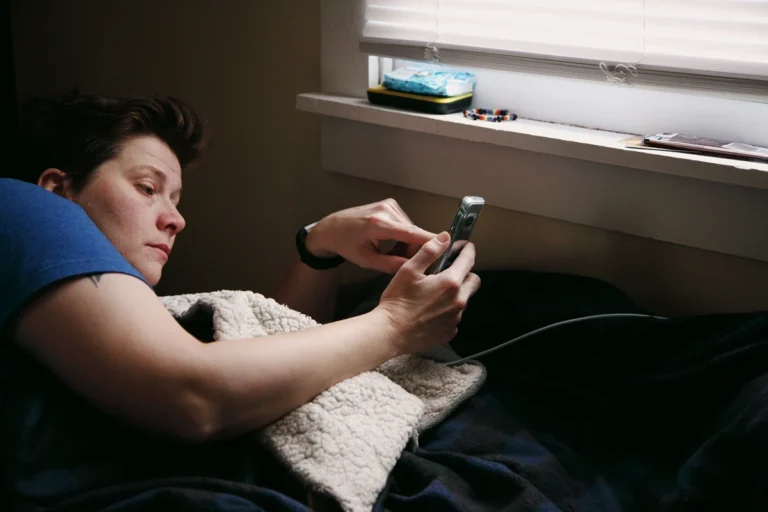
Still sleep with your phone in the room? That glowing rectangle floods your brain with blue light, suppresses melatonin, and tempts night-owls into 2 a.m. doomscrolls. Research says simply parking the device eight feet away can restore circadian rhythms, reduce anxiety, and deepen REM sleep. Our quick guide unpacks the science, shares stylish bedside-free alarm options, and offers micro-wins like a 30-minute pre-bed swap to help you wake clearer, calmer, and ready for real-world focus every day.
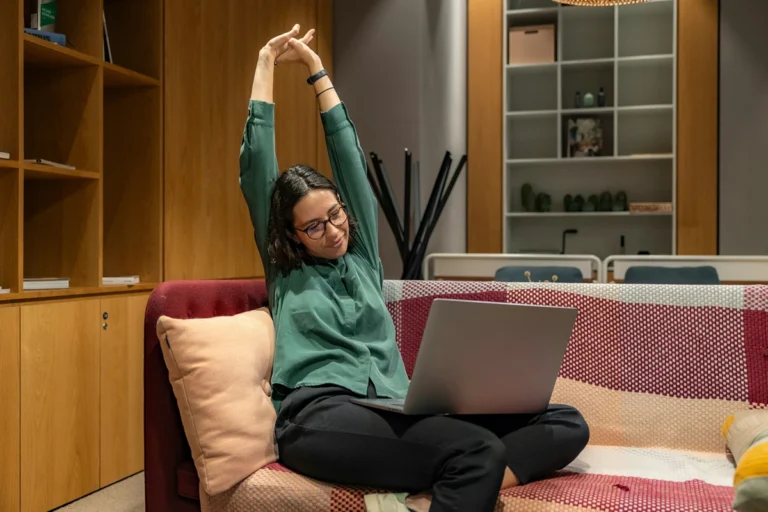
Neck strain from remote work stems from forward head posture and rounded shoulders. Fix tech-neck in five minutes: set a 30-minute timer and cycle through seven equipment-free stretches like neck tilt and rotation, chin tuck, doorway chest opener, and wrist extensor release. Pair moves with file loading or coffee brew to lock habit. Consistent micro breaks relieve tension, restore posture, and boost focus more than occasional marathon yoga sessions for lasting comfort.
Forward head posture during screen marathons adds up to sixty pounds of neck strain. Raise monitors to eye level with books or a stand, hold phones at chin height, and set a thirty minute chime for movement. Cycle through quick chin tucks, shoulder rolls, and doorway chest openers while files load. Pair stretches with water breaks to lock habit and prevent stiffness. Daily micro resets relieve pain more effectively than occasional marathon yoga sessions alone.