Feeling Stuck with Your Screens?
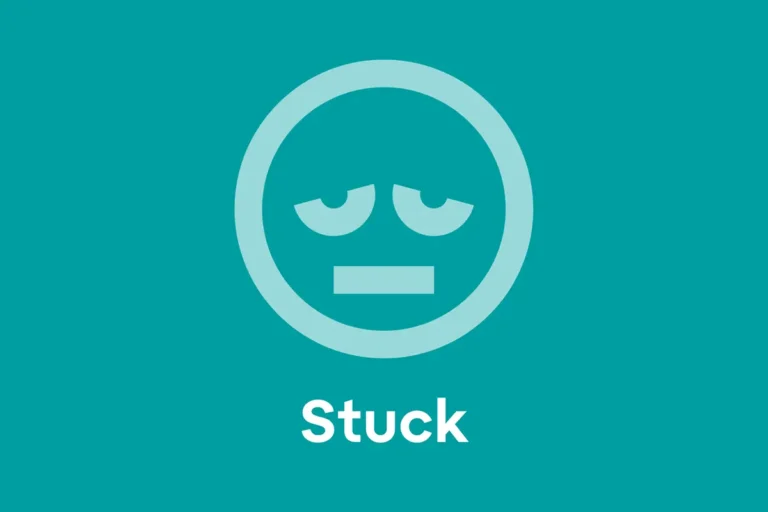
You’re not lazy. You’re just… stuck. You know your screen habits don’t feel great. You might want to change something. But it’s hard to care or even know where to begin. Sound familiar? You may be in the Stuck Quadrant of the Offline.now Matrix. And if you are, you’re not broken. You’re just human.
This quadrant is about low motivation and low confidence—and it’s more common than you think. Especially when life feels heavy, uncertain, or just a lot.
Signs You’re in the Stuck Quadrant
This might be you if…
- You scroll out of habit, not intention
- You’ve tried making changes, but nothing really stuck
- You feel guilty about screen time… but not enough to change it
- The idea of “fixing” your habits feels overwhelming or pointless
- You can’t remember the last time you felt good about your digital life
In this quadrant, you’re not resisting change—you’re just burned out by the idea of it. That’s okay. This is where gentle curiosity matters more than action.
Why Motivation & Confidence Dip
Being in the Stuck Quadrant doesn’t mean you don’t care. It often means you’re tired of trying and feeling like you’re falling short. Or that you’re not sure if any change will really make a difference. In psychological terms, this quadrant often aligns with learned helplessness or emotional fatigue. But in real life? It just feels like meh. And yet—even here—there’s movement. Small, self-directed questions can reawaken choice. That’s where we begin.
Three Gentle Prompts to Try This Week
These aren’t tasks. They’re invitations. Pick one. Or don’t. Just reading them counts as a start.
What feels off—but not awful?
Instead of looking for what’s “bad,” ask: What part of my screen life feels slightly misaligned? This lowers the pressure to overhaul everything and opens space for light observation.
What do I miss doing that screens replaced?
Maybe it’s doodling. Daydreaming. Making small talk. Noticing the weather. Tiny longings often point to big values—and reconnecting with them builds energy.
What would a 5% shift look like?
Not a detox. Not a total change. Just… 5%. Less time on one app. One more minute of quiet. Why it works: Big changes feel impossible. But small shifts restore possibility.
When You’re Ready (Even a Little Bit)
You don’t need to want change before taking one small step.
- Take the 2-Question Quiz to find your quadrant
- Explore the Offline.now Matrix and how it works
- View the Overwhelmed Quadrant › to learn about other experiences
- Read about digital overwhelm solutions for the stuck quadrant
No shame. No judgment. You can stay here as long as you need—and leave whenever you’re ready.
References
- Seligman, M. (2006). Learned Optimism: How to Change Your Mind and Your Life.
- Flett, G. & Hewitt, P. (2002). Perfectionism and psychological adjustment.
*Disclaimer: Offline Now offers educational coaching tips, not medical or therapeutic advice; please consult a qualified health professional for personal or clinical concerns.*