The Invisible Load
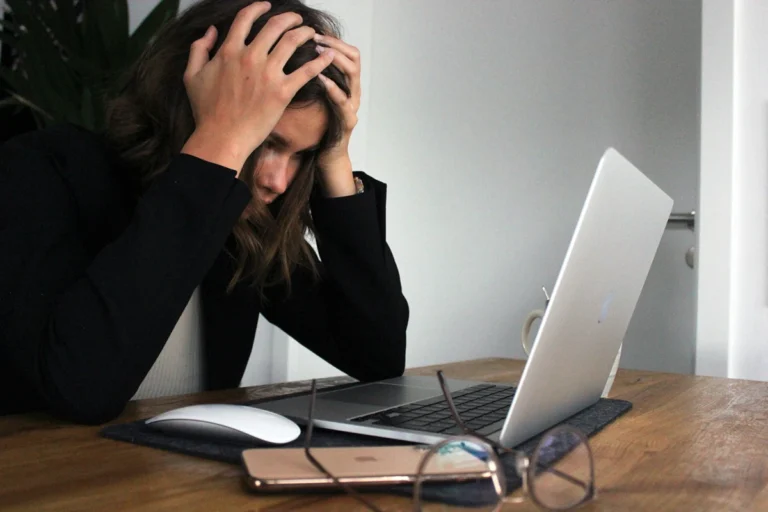
If you’re a high-achieving woman with ADHD or think you might be; you’re likely exhausted. You juggle deadlines, family, and emotional care, all while keeping up the appearance of control.
But underneath that competence lies a constant current of overwhelm and self-doubt.
This mismatch between how capable you seem and how chaotic you feel isn’t failure: it’s invisible ADHD. For decades, ADHD was underdiagnosed in women because research focused primarily on boys. As a result, many women internalize shame and spend years feeling inadequate before realizing what’s really happening.
Today, we’ll unpack why ADHD looks different in women, and how small, compassionate coaching steps can help you rebuild confidence and self-trust.
Why ADHD Stays Hidden
Many women spend years mastering the art of masking: over-preparing, overworking, and overperforming just to keep up.
The Pressure to Hold It All Together
Societal expectations often push women toward emotional caretaking and perfectionism, which hide ADHD symptoms rather than reveal them.
- Internalized Shame: Many women blame themselves for being “lazy” or “inconsistent,” rather than recognizing executive function challenges.
- The Caretaking Burden: Women often shoulder the majority of unpaid domestic labor, leaving less bandwidth for focus and emotional recovery.
- The Overachiever Facade: High-achieving women often use success as a mask, appearing fine externally while privately battling burnout.
Over time, this constant compensating leads to emotional exhaustion, the kind of burnout that doesn’t go away with rest.
Emotional Overload and Digital Dopamine
The ADHD brain craves stimulation and struggles with emotional regulation. For women balancing multiple roles, this can turn into a cycle of overwhelm, avoidance, and guilt.
Emotional Regulation and Technology
- Heightened Emotional Intensity: Women with ADHD experience more frequent emotional highs and lows, making stress harder to recover from.
- Digital Dopamine Loops: ADHD brains are wired to seek novelty. Social media and online shopping offer quick dopamine hits but reinforce impulsive cycles.
- Rejection Sensitivity: Many women experience Rejection Sensitivity Dysphoria (RSD): feeling intense pain at perceived criticism or failure, which can trigger escapist digital habits.
Understanding these patterns isn’t about self-blame; it’s the first step toward compassion and control.
Rebuilding Self-Trust
If “trying harder” has only made you feel worse, it’s time for a new strategy. ADHD coaching focuses on small, repeatable actions that restore your sense of agency and self-efficacy.
Actionable Micro-Steps
- Acknowledge Strengths: List three times you succeeded despite overwhelm. Recognizing your resilience builds confidence.
- Reframe with Psychoeducation: Understanding that emotional dysregulation is neurological—not moral—reduces shame and self-criticism.
- Start a “Micro-Experiment”: Pick one achievable habit to test. For example: “At 3 p.m., I’ll silence notifications for 10 minutes for the next three days.”
- Treat Setbacks as Data: Missed your goal? You’re learning, not failing. Ask: What got in the way? What might work better next time?
Small wins accumulate into lasting change. Each micro-step proves you can trust yourself again.
Making Peace with Digital Life
Living with invisible ADHD as a woman means navigating decades of misunderstanding and overfunctioning. The goal isn’t perfection, it’s peace.
Coaching helps you process old narratives and replace them with compassion, structure, and self-awareness. Every small, intentional choice and every tiny win is proof of your capability.
If exhaustion or emotion dysregulation still feels unmanageable, reach out for specialized ADHD or mental health support. You don’t have to do this alone.
References
- Ahmann, E., & Saviet, M. (2024). Development of a manualized coaching intervention for adult ADHD. International Journal of Evidence Based Coaching and Mentoring, 22(1), 177–198.
- Faheem, M., Akram, W., Akram, H., et al. (2022). Gender-based differences in prevalence and effects of ADHD in adults: A systematic review. Asian Journal of Psychiatry, 75, 103205.
- Sander-Williams, H. (2024). The experience of coaching for women with a late diagnosis of ADHD. International Journal of Evidence Based Coaching and Mentoring, S18, 32–45.
- Young, S., Adamo, N., Ásgeirsdóttir, B. B., et al. (2020). Females with ADHD: An expert consensus statement taking a lifespan approach. BMC Psychiatry, 20, 1–27.
- Aydin, T., Parris, B. A., Arabaci, G., et al. (2024). Trait-level ADHD symptoms and technology addictions. Current Psychology, 43, 10682–10692.
- Nordby, E. S., Schønning, V., Barnes, A., et al. (2025). Experiences of change following a blended intervention for adults with ADHD and emotion dysregulation. BMC Psychiatry, 25(56).
- Morel, N. J., Brown, D., & Duke, A. (2025). Developing self-care habits through a hybrid coaching framework. International Journal of Evidence Based Coaching and Mentoring, 23(1), 177–198.
*Disclaimer: Offline.now offers educational coaching tips, not medical or therapeutic advice; please consult a qualified health professional for personal, clinical or health concerns.*