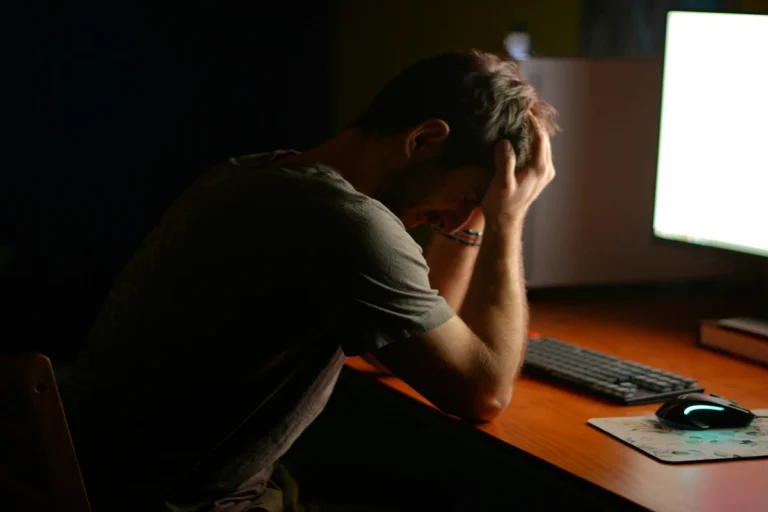
A Small Device, A Big Boundary
I run a business. This means my phone is not optional. It is my office, my receptionist, my billing department, and occasionally my emotional support object. Clients text. Payments arrive through apps. Meetings move around. In today’s world, if your phone disappears, so does half your livelihood.
So no, I cannot “just put it away.” I cannot throw it into a lake and announce I now communicate exclusively by carrier pigeon.
And yet, my phone was quietly wrecking my focus.
Every time I picked it up to do something responsible — answer a client, check a calendar, send an invoice — I risked vanishing. I would open it with purpose and resurface 47 minutes later knowing intimate details about a stranger’s kitchen renovation in Ohio.
This is doom scrolling.
And for someone with ADHD, doom scrolling is not a quirky habit. It is neurological Velcro. Our brains are wired for novelty, movement, surprise. Social media platforms are engineered by people who understand this very well. They built the buffet. We showed up hungry.
The worst damage happened in the morning.
My alarm lived on my phone. At 6:00 a.m., before I had formed a single coherent thought, I would reach over and grab the glowing rectangle. I would silence the alarm and think the three most dangerous words in the English language: “While I’m here.”
While I’m here, I’ll check email.
While I’m here, I’ll skim the news.
While I’m here, I’ll see what happened overnight.
Within minutes, my brain was flooded with breaking news, marketing emails, group chats, and opinions from people I have never met and will never invite to dinner.
Before my feet touched the floor, my nervous system was already panicking.
For an ADHD brain, mornings are delicate. Executive function boots up slowly. Emotional regulation stretches like it needs coffee first. And I was starting the day by injecting high-speed digital chaos straight into it. Then, around 9:30 a.m., I would wonder why focusing felt impossible.
A mystery. Truly baffling.
The solution, as it turns out, was almost embarrassingly simple.
I moved my alarm to my smart watch.
Now, in the morning, my wrist vibrates gently. No blinding screen. No stacked notifications glaring at me like unpaid bills. No temptation to just “quickly check” something.
I tap my wrist. The alarm stops. My phone stays face down.
And suddenly, I wake up to my own thoughts.
It is a radical experience. Highly recommend.
Instead of absorbing the internet’s priorities, I get a few quiet minutes to decide who I am today. I can stretch. Pray. Think. Stare at the ceiling and contemplate my life choices. All without knowing what strangers on social media are arguing about before sunrise.
That alone would have been worth it.
But the real genius of the watch is this: it keeps me reachable without keeping me immersed.
The reason most business owners cling to their phones is fear. What if I miss something urgent? What if a client needs me? What if an opportunity slips by because I was “protecting my peace”?
The watch solves this beautifully.
If a client texts, my wrist buzzes. If a call comes in, I see who it is. If a meeting approaches, I get a polite tap like a slightly impatient aunt reminding me I have somewhere to be.
I am available.
What I am not is swallowed whole.
Because here is the important part: doom scrolling on a watch is miserable.
The screen is tiny. The interface is clunky. Your finger feels enormous. The experience lacks the smooth, endless glide that makes scrolling addictive. It is possible, yes. Enjoyable? Absolutely not.
And ADHD brains chase enjoyment.
The watch introduces friction. It makes distraction inconvenient. And inconvenience, it turns out, is sometimes more powerful than willpower.
Before the watch, a notification triggered an automatic response.
Buzz → grab phone → disappear.
Now, there is a pause.
Buzz → glance at wrist → decide.
That single second changes everything.
ADHD is not primarily about laziness. It is about speed. Our impulses move faster than our conscious decision-making. The watch slows the sequence down just enough for awareness to step in and say, “Is this urgent? Or am I about to research raccoon behavior again?”
Most of the time, it can wait.
For years, I believed the solution was more discipline. I told myself I needed stronger self-control, better habits, a more mature personality. It never worked for long.
Here is the uncomfortable truth: my phone was designed to capture my attention. Very smart people get paid very well to keep me engaged. Expecting my ADHD brain to defeat that system with vibes and good intentions was optimistic at best.
So instead of fighting my brain, I redesigned my environment.
In Jewish wisdom, there is an idea of building a fence around something you value. Not because you are weak. Because you are honest. You acknowledge your patterns and build structure accordingly.
My smart watch became that fence.
It lets the important signals through while blocking the endless noise. It protects my mornings. It protects my focus. It protects my nervous system from being hijacked before breakfast.
My business still runs. Clients are still served. The world did not collapse because I stopped checking Instagram at 6:04 a.m.
What changed is this: I am less reactive. My mind feels steadier. My attention lasts longer. I begin the day from inside my own head instead of inside the algorithm’s.
The watch did not cure my ADHD. It did not make me a productivity guru. It simply created a boundary small enough to maintain and strong enough to matter.
In a world designed to pull us endlessly outward, that feels almost rebellious.
And frankly, I will take a quiet rebellion over another 47-minute scroll any day.
Blog post by Dr. Jeff Levine. He is an ADHD coach with a PhD in Organized Leadership.