Digital Overwhelm

Digital overwhelm happens when endless notifications, content, and online demands become too much to manage. Discover how to reduce overwhelmed digital consumption and build healthier boundaries with technology in daily life.

Fitness tracking can be a powerful tool but when every step, heartbeat, and sleep cycle is measured, the numbers can start to own you. Instead of boosting motivation, constant monitoring often fuels stress, sleep tracking anxiety, and wearable overload. This post explores when tracking crosses the line from helpful to harmful, and how to reset with mindful strategies that protect your focus, rest, and overall well-being while still reaping the benefits of technology.
Digital wellness tools from screen-time apps to hybrid coaching platforms are reshaping how we manage focus, sleep, and mental health. While early evidence shows promise, questions remain about long-term impact, equity, and privacy. This review highlights what works, where risks lie, and why hybrid approaches offer the most balanced path forward. With clear research gaps and urgent policy needs, the future of healthy tech boundaries depends on evidence-driven action across academia, industry, and regulation.
Your online presence is part of your resume. Recruiters and employers often Google candidates before making decisions, and what they find can shape your opportunities. A digital footprint audit helps you clean up outdated content, secure old accounts, and showcase a professional image. This guide walks you through practical steps to search yourself, manage social media, and boost your online reputation, so your digital presence supports your career growth instead of holding you back.
Is your calendar running your life instead of helping you manage it? In today’s always-on work culture, nonstop meetings and notifications can fuel stress, disrupt sleep, and drain focus. This guide unpacks the hidden cost of calendar anxiety and offers a simple solution: white-space planning. By intentionally leaving room to pause, reflect, and recharge, you can prevent burnout, sharpen your focus, and reclaim control of your time, one small block at a time.
Do constant pings, buzzes, and pop-ups keep hijacking your attention? You’re not alone. Notifications are designed to pull you in but they also fuel stress, anxiety, and distraction. This guide explores why alerts feel overwhelming, how they impact your brain, and practical ways to quiet the noise. From mastering Do Not Disturb settings to creating tech-free zones, you’ll learn simple, sustainable strategies to reduce digital overwhelm, protect your focus, and take back control of your time and peace of mind.
Screens now soak up more than six and a half hours of our daily lives over seven for Americans and nearly nine for Gen Z. Our 2025 screen time report unpacks the fresh numbers, from smartphone saturation to the rise of “doomscroll fatigue,” and translates data into action. Learn how constant connection strains attention, sleep, and mood and test three mini-detox tactics, from app timers to “analog power hours,” to reclaim calm, clarity, and healthier digital habits.
Ever yanked out your phone after a phantom buzz only to find silence? That eerie misfire is phantom vibration syndrome - your brain’s sensorimotor wiring glitching after constant notifications. This post unpacks how prediction-error loops and dopamine-driven checking habits create phantom phone sensations, then delivers five coach-style micro-wins: relocate the device, switch vibration patterns, run a body-scan reset, schedule no-buzz blocks, and try a weekly bag-carry challenge. Quiet the “ghost buzz” and reclaim calm focus.
Inside this evidence based field guide you’ll map your Pivot Matrix quadrant and unlock tailored micro steps. Short quizzes surface habits, then pages send Overwhelmed, Ready, Stuck, or Unconcerned readers straight to right sized tactics. Expect two minute wins like phone baskets, blue light sunsets, and detox weekends, plus reflection prompts to track momentum. Progress logs and QR links to our hub keep learning. Grab the book, test one tactic tonight, and feel bandwidth grow.
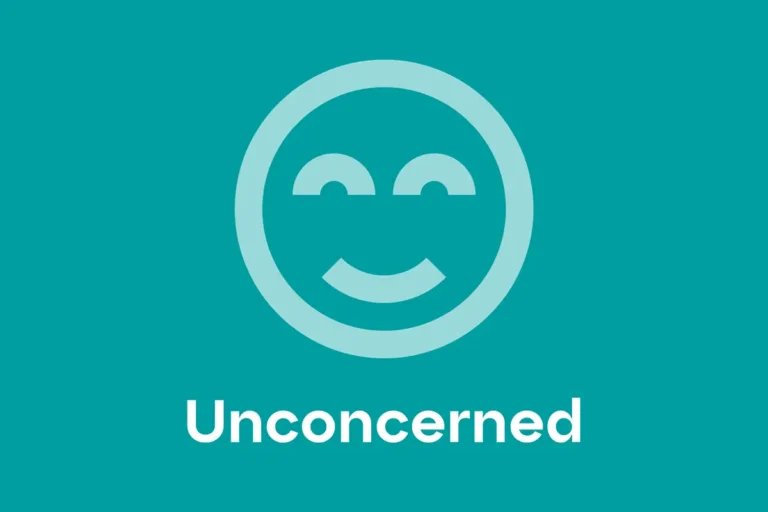
Feeling fine can mask subtle tech damage. Blue light chips away at deep sleep, pings fracture focus for twenty three lost minutes, and silent phones on tables erode conversation depth. This article invites curiosity with two experiments: phone free weekend mornings and no visible phones dinners. Record mood, clarity, and connection afterwards to surface hidden costs. Awareness, not guilt, is the goal. Once you notice energy leaks, natural motivation emerges to dial screens back slowly.
Feeling overwhelmed by screens doesn’t mean you lack willpower. Apps are engineered for frictionless relapse. This post rebuilds confidence through tiny wins: delete three derailment apps for a week, charge the phone outside the bedroom to enjoy a screen free sunrise, and track each resisted check in a notebook. Each micro victory triggers dopamine and proves you can steer habits. Celebrate, breathe, repeat - gentle momentum lifts you from overwhelmed toward ready for bigger moves.