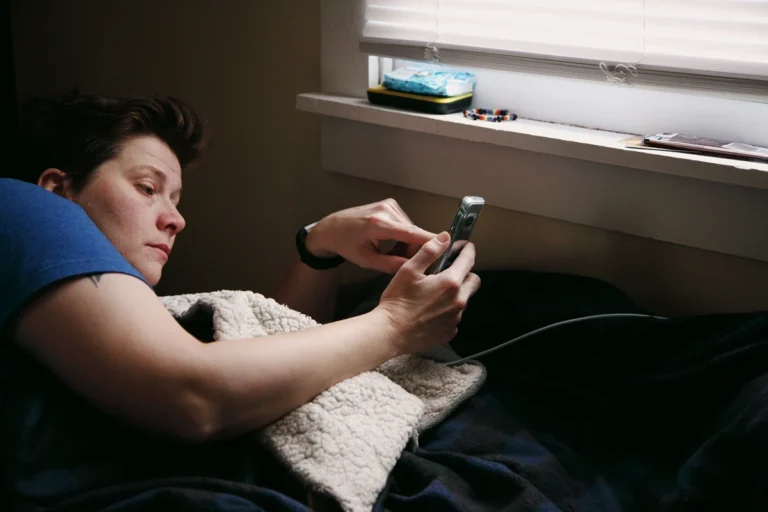
Late Night Gaming

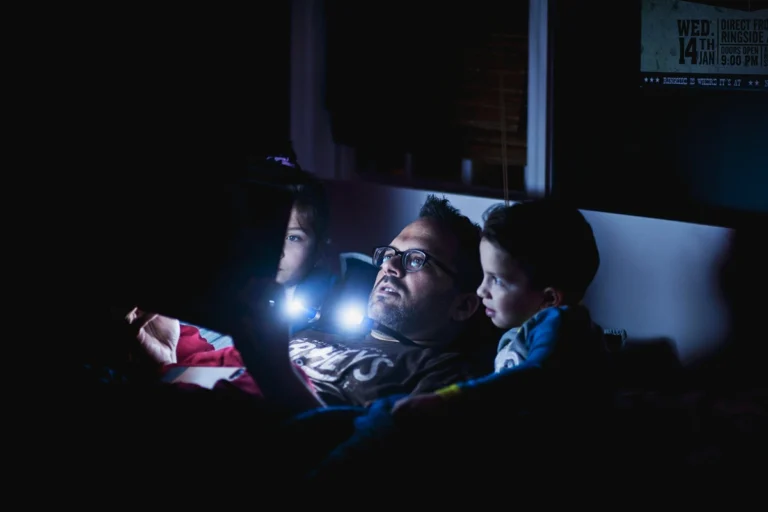
Late-night gaming can disrupt daily life and relationships. Identify common gaming addiction symptoms, explore evidence-based gaming addiction treatment options, and find actionable advice on how to stop gaming and reclaim control.

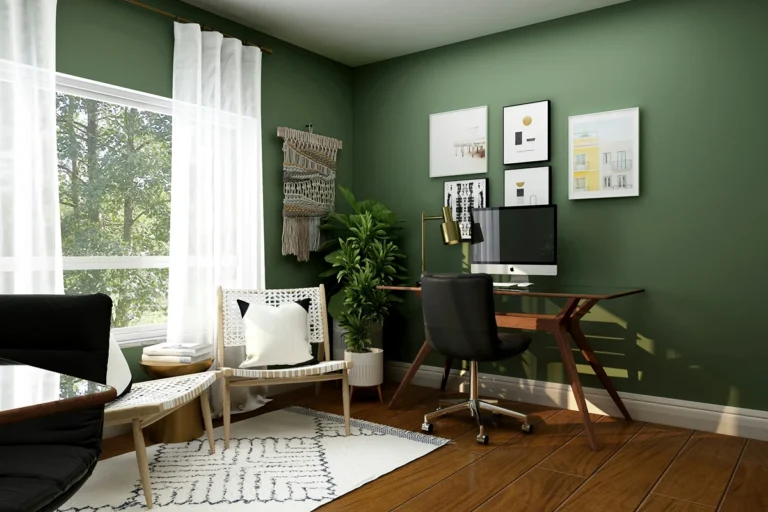
You’ve built motivation, now it’s time to make your space work for you. An environment upgrade turns discipline into design: shaping surroundings that make healthy digital habits effortless. By adding small friction points, like moving your phone out of the bedroom, and creating tech-free zones that signal rest and connection, you shift from willpower to flow. This reset isn’t restriction: it’s liberation. When your environment aligns with your intentions, calm and clarity become your new defaults.
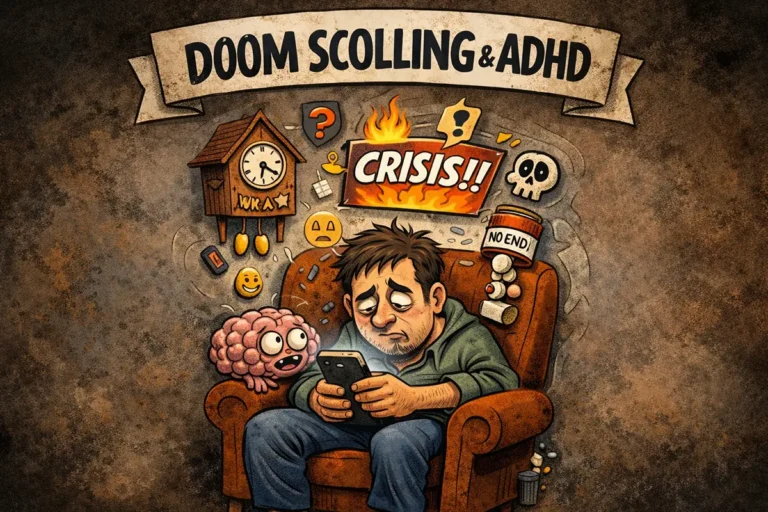
Ever feel like your brain is hijacked by endless pings and scrolls? For adults with ADHD, this isn’t a weaknessi. Constant digital distraction cycles are powered by dopamine loops that make apps feel irresistible and leave you battling focus fatigue. Every notification adds a costly task-switch, draining your mental energy. The good news: with small resets like adding friction to apps, naming triggers, and using movement, you can interrupt the loop and reclaim attention.
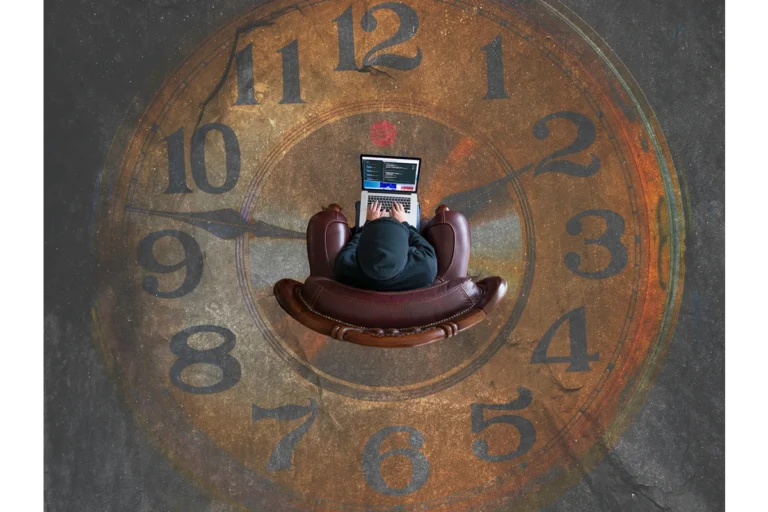
Time blindness is a common yet often misunderstood challenge for individuals with ADHD. It goes beyond poor time management: impacting focus, planning, and emotional regulation. The ADHD brain naturally gravitates toward immediate stimulation, making delayed rewards difficult to conceptualize. Research highlights that effective support requires a multifaceted approach, blending cognitive, behavioral, psychological, and environmental strategies. By reframing time perception and building layered systems, individuals with ADHD can better manage productivity and daily routines.
Still sleep with your phone in the room? That glowing rectangle floods your brain with blue light, suppresses melatonin, and tempts night-owls into 2 a.m. doomscrolls. Research says simply parking the device eight feet away can restore circadian rhythms, reduce anxiety, and deepen REM sleep. Our quick guide unpacks the science, shares stylish bedside-free alarm options, and offers micro-wins like a 30-minute pre-bed swap to help you wake clearer, calmer, and ready for real-world focus every day.
Gaming addiction can sneak up fast when ADHD meets endless dopamine loops. This post explains why hyperfocus, impulsivity, and stress escape make controllers hard to drop, then guides you through a five-step recovery: track triggers, set play-windows, create tech-free zones, swap games for exercise, add mindful pauses, and recruit accountability. Learn the red flags, know when to call professionals, and reclaim balance without quitting play forever. Start mapping your patterns tonight.
Delete that addictive app and reclaim your time. Variable reward loops keep thumbs launching it before you notice. This five step plan starts with clarifying your why, exporting needed data, and logging out everywhere. Next, delete the app, lock re-downloads behind a passcode, and schedule offline replacements like walks or quick calls to friends. Finally, track urges and celebrate streaks. Extra friction plus compelling alternatives breaks the habit loop so focus, sleep, and mood rebound.
Digital balance for college students is a survival skill. Buzzing phones split attention, hurt grades, and heighten anxiety. This guide delivers seven wins: audit screen time, declare tech free zones like library desks, batch notifications, run one screen study sessions, follow the 20-20-20 eye rule, try weekly social media fasts, and practice digital mindfulness before unlocking. Start with one tactic, track mood for a week, then layer another. Small, consistent tweaks beat heroic detox marathons.
Late night screen time sabotages sleep by flooding eyes with blue light and brain with cliffhanger drama. Create a one-hour digital sunset: set an alarm to power down devices, enable night-shift filters if work is unavoidable, and charge phones outside the bedroom. Swap the final scroll for deep breathing, light stretches, or paperback pages. Even one evening trial can shorten sleep latency and lift morning mood. Try your first digital sunset tonight.
Even thirty minutes of evening screen light can slash melatonin and delay sleep. This guide explains why blue wavelengths plus doomscrolling create nights, then shares a simple digital sunset ritual: taper screens two hours before bed, enable night filters and dim lamps, charge phones outside the door, and replace scrolling with books or gentle stretches. Red shift apps and CBT-I tools help, but turning them off an hour early keeps the ritual clean and effective.