Micro-Scrolling

Micro-scrolling refers to short, frequent bursts of phone scrolling that disrupt focus and productivity. Explore how this habit forms, its impact on mental well-being, and tips to reduce mindless phone use.

In online dating, silence can be self-care. This post explores how ghosting and muting have evolved into new forms of digital boundaries; quiet acts of emotional self-protection in an age of constant connection. Learn how to manage communication overload, reclaim your attention, and prioritize emotional clarity without guilt. Setting limits isn’t rude: it’s mindful. Discover practical, compassionate ways to protect your peace while staying true to your digital and emotional balance.
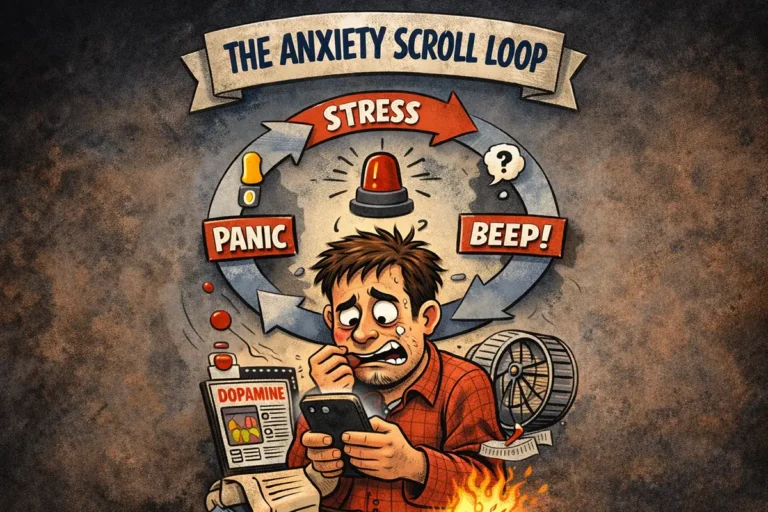
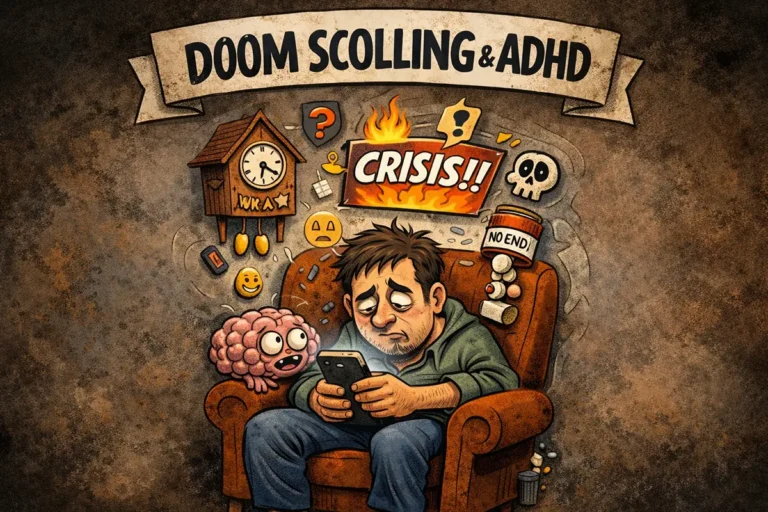
Ever feel like your brain is hijacked by endless pings and scrolls? For adults with ADHD, this isn’t a weaknessi. Constant digital distraction cycles are powered by dopamine loops that make apps feel irresistible and leave you battling focus fatigue. Every notification adds a costly task-switch, draining your mental energy. The good news: with small resets like adding friction to apps, naming triggers, and using movement, you can interrupt the loop and reclaim attention.
A digital-free vacation rewires how you travel. Swapping smartphones for simple paper maps and face-to-face chats lowers cortisol, lifts mood, and lets your senses register every sea breeze and street melody. This guide walks you through setting clear tech boundaries, choosing unplugged destinations, and packing analog backups like film cameras and guidebooks. With screen-free travel tips for families and solo adventurers alike, you’ll return home rested, re-connected, and rich with real memories worth sharing offline.
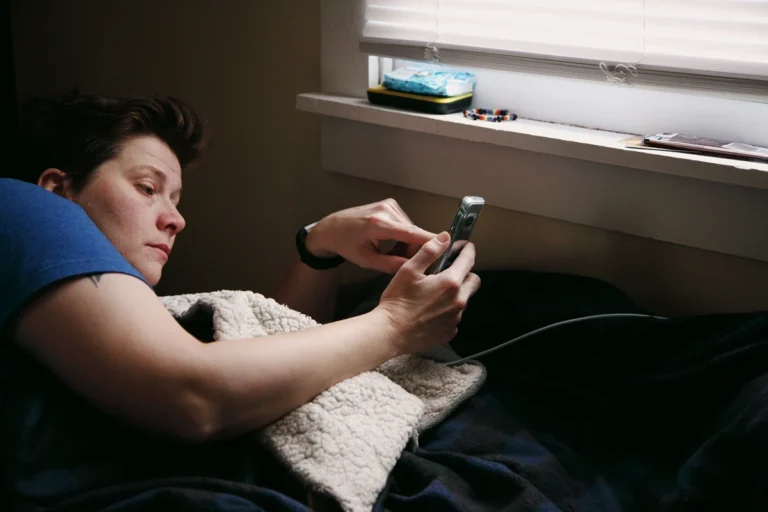
Still sleep with your phone in the room? That glowing rectangle floods your brain with blue light, suppresses melatonin, and tempts night-owls into 2 a.m. doomscrolls. Research says simply parking the device eight feet away can restore circadian rhythms, reduce anxiety, and deepen REM sleep. Our quick guide unpacks the science, shares stylish bedside-free alarm options, and offers micro-wins like a 30-minute pre-bed swap to help you wake clearer, calmer, and ready for real-world focus every day.
Swap screen glare for sunshine this season. Our guide shares ten creative, budget-friendly digital-free summer activities that pull families and friends off the couch and into real-world connection. Hike at dawn, host a backyard game night, craft a film-camera photo walk, or declare a screen-free Sunday potluck - each idea sparks movement, laughter and genuine conversation while lowering stress and boosting sleep. Think of them as mini detoxes: small swaps that build a healthier relationship with tech.
Endless highlight reels trigger FOMO, baiting you into hourly checks that drain joy. Time box feeds into two fifteen minute windows and mute non-critical notifications. Unfollow comparison traps, follow creators who inspire, and reroute boredom with three breaths or a walk. Run a daylong social detox each weekend, logging mood, focus, and sleep changes. When urge spikes, label it, thank it, let it pass. Intentional boundaries keep you connected calm and reclaim evenings for wins.
Micro learning proves tiny steps beat heroic detox weekends. Each small win delivers a dopamine drip that wires lasting habits. Start by silencing one non-essential app, placing your phone face-down for two minutes each hour, or moving Instagram one folder deeper. Stack the new action onto an existing cue, track streaks on paper, and celebrate out loud. Consistency, not intensity, transforms identity: you become someone who manages tech with ease every single day.
Instagram Stories addiction trades quick laughs for stolen hours. Variable rewards, FOMO, and looming expiry keep thumbs tapping. Beat micro-scrolling with three guardrails: batch two 10-minute viewing windows, set app timers that auto-lock Stories afterward, and touch a physical “anchor” object before every impulse swipe. Add purposeful follows and hide streak counts to ease guilt. Intentional viewing restores focus, sleep, and creativity. Start by scheduling tomorrow’s scroll blocks and breathe before tapping.
Deep work strategies give your brain the uninterrupted stretches needed for complex thinking and career edge. This distraction survival guide teaches you to time block 90 minute focus windows, silence every non-essential notification, and restore attention with five minute nature breaks. You’ll pair digital minimalism with weekly rituals that prime the mind for flow and end the day with an audit to refine tomorrow. Result: higher output, faster learning, and lower technostress without quitting tech.
Phone separation anxiety, or nomophobia, turns a low battery into a panic attack. Use our quick five-question self-test to gauge stress, then try four compassionate fixes: silence non-essential notifications, create ten-minute micro-detox windows, stash chargers everywhere to tame battery fear, and swap reflex checks for a stretch or mindful breath. Track progress for a week and notice heart rate, focus, and sleep improve. Anxiety fades as small wins stack.