Overwhelmed

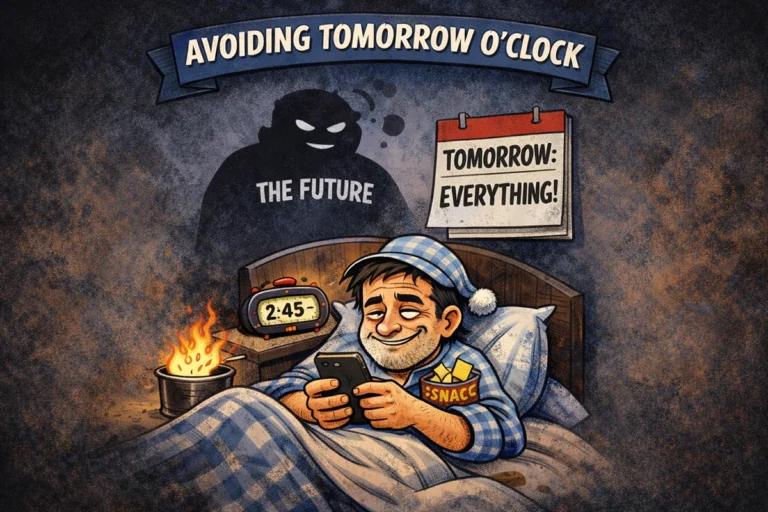
Feeling overwhelmed is common in a fast-paced tech world. Whether it’s digital overwhelm or emotional overload; explore strategies to manage stress. Reclaim your clarity, and create space for calm and control.

Remote work, study and “side projects” all live on the same screens now—and your brain is feeling it. This guide is your hub for digital burnout at work and school: video call fatigue, inbox chaos, calendar anxiety, tech neck, and the pressure to be “always on.” You’ll find humane strategies for focus, email, tools and boundaries, plus small experiments to protect your energy so you still have something left for life off-screen.
Screen-related stress is now one of the top reasons people search for therapists and coaches from doomscrolling spirals to ADHD distraction, digital burnout, online anxiety, and family screen conflict. Offline.now is the first directory built entirely around technology-related mental and emotional health, helping clients find specialists who understand their digital struggles. Join the directory to get discovered by high-intent clients looking for exactly what you do and grow your practice in the fastest-rising specialty in mental health.
Feeling uneasy when you turn on Do Not Disturb? You’re not alone. Constant connectivity has trained us to equate availability with worth, creating guilt whenever we step away. This article reframes DND mode as self-protection; a deliberate act of self-regulation that safeguards focus, rest, and authenticity. Learn how to manage availability pressure, reduce emotional fatigue, and use boundary scripts to reclaim your calm without apology or anxiety.
If your brain constantly seeks stimulation: scrolling, switching, refreshing; you’re not broken. You’re responding to how ADHD brains process dopamine and reward. This article explains why impulsivity and distraction feel uncontrollable, and how to replace mindless digital stimulation with intentional, energizing “dopamine swaps.” Learn how movement, novelty, and music can regulate focus, calm your nervous system, and help you feel grounded and productive again; without fighting your brain’s natural wiring.
If your emotions feel “too much,” you’re not broken, you’re human. Many adults with ADHD experience emotional intensity, overwhelm, and rejection sensitivity that make daily life exhausting. This post teaches you how to ride the feeling, not fight it, using small, science-backed steps to calm your nervous system and build self-trust. Learn the simple Notice → Pause → Choose method to replace shame with self-compassion and regain your emotional balance one gentle moment at a time.
Feeling stretched thin and constantly plugged in? You don’t need a full digital detox to reclaim calm. This post introduces the one-step weekly boundary; a gentle, realistic way to reduce overwhelm and regain focus. Learn how to set a simple phone-free routine, align it with your values, and use quick reflection prompts to stay consistent. One mindful boundary a week can rebuild confidence, balance, and digital clarity.
Self-trust is what transforms readiness into real change. It’s built not through intensity, but through integrity; keeping small promises to yourself until consistency becomes confidence. Each micro-win reinforces the belief, “I can rely on myself.” By creating simple, repeatable rules—like phone-free mornings or nightly tech cutoffs, you replace willpower with rhythm. Over time, these habits become second nature, turning motivation into momentum and self-trust into the foundation of lasting digital balance.
When motivation is high but confidence feels shaky, you’re standing on the bridge between Overwhelmed and Ready. Real change begins here, not by pushing harder, but by building trust in yourself through small, compassionate steps. Each micro-win: turning off notifications, setting a five-minute tech-free ritual builds belief and balance. As guilt gives way to grounded progress, you move from emotional exhaustion to calm consistency, transforming digital change from effort into ease.
If your weekends feel more like overtime than rest, it’s time to set boundaries. The “always-on” culture fuels exhaustion and burnout, but digital rest can help you recover. By setting clear weekend boundaries—like a tech-free bedroom, a phone-free meal, or a planned unplug block—you reclaim focus and energy. These small, intentional rituals protect your attention, reduce stress, and remind you that rest isn’t a reward—it’s a reset for the week ahead.
Motivation can spark change, but without confidence it quickly fizzles. This is the confidence gap: the space between wanting to change and believing you can. Research shows that lasting behavior shift isn’t about sheer willpower; it’s about stacking tiny wins. Each small success builds proof you’re capable, turning fragile motivation into lasting momentum. By lowering the bar, adding positive habits, and chunking goals, you create evidence of progress and confidence grows with every step.