Understand Why it is So Hard to Focus
You sit down to send one email. Twenty-seven tabs, three half-written messages, two “urgent” notifications, and a surprise YouTube rabbit hole later… you’re not quite sure what just happened. Your brain doesn’t feel broken. It feels busy. Loud. Pulled in six directions at once.
If you’ve ever thought: “Why does everyone else seem to manage their phone and computer, and I just… don’t?” this hub is for you.
This is your start-here guide to ADHD, anxiety and screens whether you have a formal diagnosis, suspect you’re neurodivergent, or just recognize yourself in ADHD-like patterns. We’ll talk about dopamine, executive function, time blindness, and why your phone feels like both a lifeline and a trap.
When you want to zoom in on a specific area, we’ll send you to deep dives like
ADHD Strategies for Managing Digital Overwhelm,
ADHD Dopamine Chasing: Always Looking for Stimulation?, and
ADHD & Time Blindness: How do we address this?.
You don’t need to fix your brain. We’re just going to help you work with it in a screen-heavy world.
Why Screens Hit Different When You Have an ADHD-Type Brain
If you’ve ever wondered why your brain can scroll for hours but “forgets” to reply to a text, you’re in good company. ADHD and ADHD-adjacent brains tend to be:
- Hungry for novelty
- Motivated by interest, not just “importance”
- Sensitive to boredom, rejection and overwhelm
Screens offer infinite novelty, instant feedback, and endless micro-rewards—basically a dopamine buffet.
ADHD Dopamine Chasing: Always Looking for Stimulation? explains what’s going on under the hood when you’re bouncing between apps, and Distracted by Everything? ADHD and Dopamine Hits shows how “just one more” click becomes a whole afternoon. If you’re new to the ADHD conversation—especially if you’re someone who “flew under the radar” growing up Understanding ADHD in Women: Why is it Often Invisible? is a good place to start. (Even if you’re not a woman, it’s a helpful look at quieter ADHD presentations.)
The important part:
You’re not lazy. You’re not hopeless. Your brain just uses focus, time and rewards differently.
Understanding ADHD + Screens: Overwhelm, Procrastination & Time Blindness
Let’s give names to the big patterns so your brain has something to work with.
Digital Overwhelm
ADHD + internet often looks like:
- 45 open tabs
- 6 different “organizational” apps
- 4 half-finished notes on the same idea
ADHD Strategies for Managing Digital Overwhelm breaks down how overwhelm shows up in your apps, inbox, and feeds—and offers specific ways to shrink the chaos. If you feel like every ping is equally urgent, ADHD Emotional Regulation: Understanding your Feelings can help you understand why some notifications feel like emergencies (even when they’re not).
Phone Procrastination
You know that thing where you really need to start a task… so you check your phone instead?
Are ADHD and Phone Procrastination Related? explores how:
- avoidance,
- anxiety, and
- dopamine craving
all team up to keep you in the scroll instead of starting the thing. It’s not just willpower. It’s your brain trying to protect you from discomfort.
Time Blindness
Time blindness is ADHD’s sneaky superpower/curse. Five minutes feels like five minutes… until it doesn’t. You sit down “for a second” and look up 2 hours later, or you estimate “I’ll just quickly finish this” and completely blow past appointments. ADHD & Time Blindness: How do we address this? offers a toolkit for seeing time more clearly using external supports instead of trying to “try harder.”
The To-Do List Trap
Classic ADHD move:
- Write a huge, ambitious to-do list.
- Feel crushed by it.
- Scroll to escape the crushing.
- Feel guilty. Repeat.
The ADHD To-Do List Trap: How to Manage Your Time shows how to build lists that are realistic for your energy, attention, and executive function so your list becomes a map, not a guilt document.
ADHD at School, College & Early Career
Screens weave into school and early work life in ways that can be both genuinely helpful and totally overwhelming.
Studying with a Phone in Your Pocket
University or college with ADHD often looks like:
- Downloading three new productivity apps during exam season
- “Studying” with 12 tabs, two group chats and a YouTube video open
- Doing your best work right before the deadline and wondering if that’s the only way
Digital Balance for College Students is written specifically for this stage of life; covering lecture laptop use, online classes, group chats, and social pressure. If you’re not in college but you’re still juggling courses, certifications, or self-study, you’ll likely see yourself there too. Back to School Blues: Tips for Students can help if you feel a yearly wave of dread when “back to school” season rolls around whether you’re the student or the parent.
Early Career: Performance Anxiety in a Digital World
ADHD doesn’t disappear when school ends. It just changes shape. You might be dealing with:
- Inbox chaos
- Project switching every few minutes
- Slack and email anxiety
- Fear that your digital footprint isn’t “professional enough”
Cluttered Inbox? Manage Emails 15 Minutes a Day is a great starting point if your brain shuts down at the sight of your inbox. Digital Footprint Audit: How Recruiters See You Online can help you look at your social presence without spiraling into shame. And if you’re drowning in tools: task apps, note apps, time-tracking apps, Digital Wellness Tools: How to Find The Best Fit helps you pick a few that actually match your brain instead of Frankensteining everything together.
ADHD + Entertainment, Social Media & Digital Hoarding
Screens aren’t just for work and school, they’re also where a lot of ADHD brains go to self-soothe, escape, or find stimulation.
Social Media & ADHD
Social platforms are custom-built for novelty and emotional spikes which also happen to be ADHD catnip. If your “breaks” keep swallowing half your day, Social Media and ADHD: How to Find Focus talks about:
- why feeds are so sticky for ADHD brains
- how to set gentle but real limits
- ways to make social media feel less like a vortex and more like a tool
Gaming & Hyperfocus
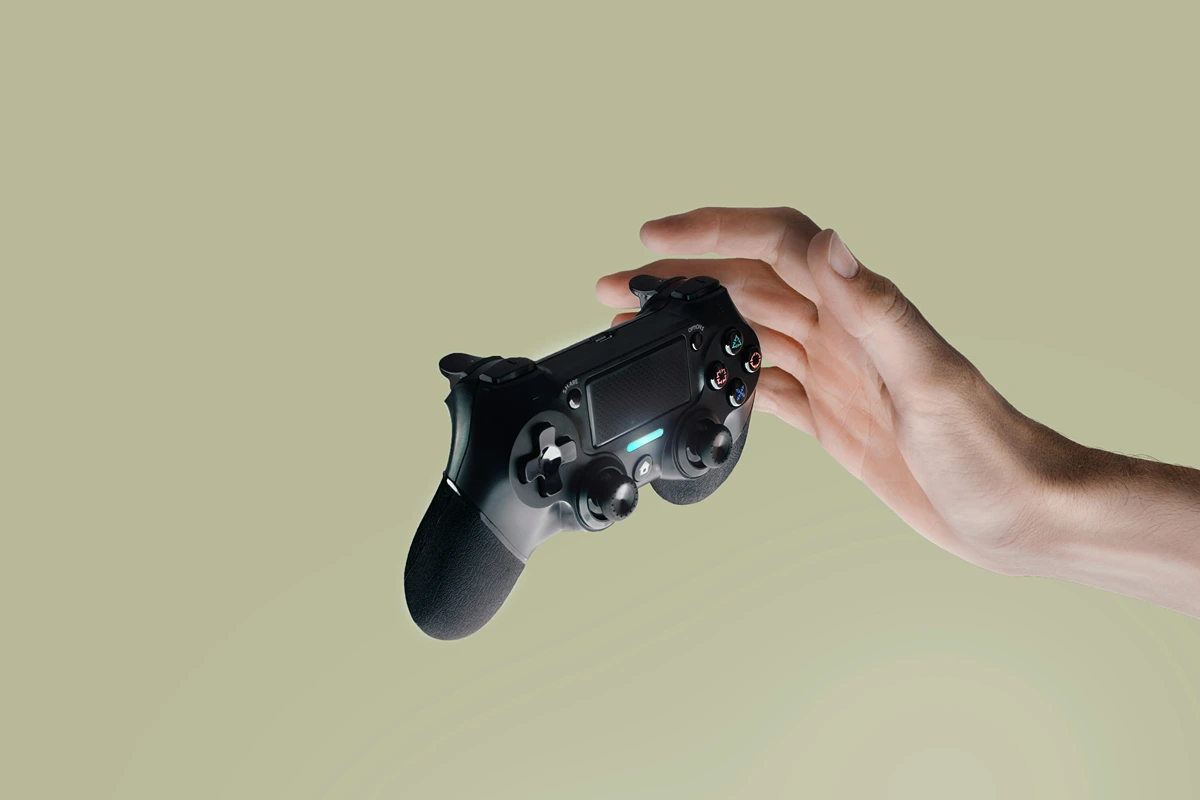
Gaming can be a wonderful source of joy, connection and mastery. It can also be the place your day disappears. Online Gaming & ADHD? Are They Connected? looks at the relationship between hyperfocus, reward loops, and gaming and how to enjoy games without losing your whole weekend.
Background Noise: Music vs Podcasts
Many ADHD folks use audio to help focus—but not all audio works the same way. Music vs. Podcasts: What Actually Improves Your Focus? explores what types of sound tend to support concentration vs. what pulls you further into distraction.
YouTube, Videos & “Just One More”
Video platforms are a special kind of time warp. If you regularly lose hours to “one more” clip, YouTube Binge Watch Break: Setting Personal Limits can help you design borders that feel humane and realistic, no shame, no all-or-nothing.
Digital Hoarding: Photos, Notes & Screenshots
ADHD often comes with digital collecting:
- 14,000 photos
- 600 screenshots “for later”
- Files named “New document (31)”
Digital Hoarding: Delete Photos without Regret is there for the moment you realize you’re carrying years of digital clutter that your brain is quietly tracking in the background.
Tools, Methods & Executive Function (That Actually Work With ADHD)
You’ve probably been told to “just focus” or “just get organized.” Cool advice. No instructions. This is where we get concrete.
Time Blocks, but ADHD-Friendly
Traditional productivity content loves rigid schedules. ADHD brains? Not so much. Digital Pomodoro Method: Re-imagine Remote Work adapts the classic Pomodoro timer into something that works better for fluctuating attention: flexible sprint lengths, clear “what happens in the break” rules, and tech tweaks you can actually use. Deep Work Strategies: Distraction Survival Guide shows you how to create deep-focus pockets even when the internet is one tab away.
Tiny Steps, Big Wins
If you’re someone who goes from “I’m doing nothing” to “I’m going to completely reinvent my life on Monday”… and then burns out by Wednesday, this part is for you. Micro Learning: Why Tiny Steps Beat Big Leaps explains why small, repeatable actions are especially powerful for ADHD brains—and how to build them into your day without getting bored.
Decluttering Your Digital Workspace
Visual clutter = mental clutter for a lot of people with ADHD.
Clean Desktop, Clear Mind: A Digital Declutter Guide walks through:
- simplifying your desktop
- taming your download folder
- setting up “good enough” structures so you can actually find things later
If you’re convinced multitasking is your only way to survive, The Multitasking Myth: Reclaim Your Focus might surprise youespecially the part about how task-switching affects ADHD energy levels.
ADHD in Relationships & Self-Compassion
Screens don’t just affect you. They affect the people you love and the way you see yourself.
When Your Partner Has ADHD (Or You Do)
ADHD traits can shape:
- how quickly you reply
- how present you are in conversations
- how often you lose track of shared plans
Your Partner has ADHD: How Can You Support Them? is written to help couples navigate this with more empathy and fewer fights. It’s useful whether you’re the one with ADHD traits or the one trying to understand them. If you’re a parent, especially one who suspects your child is neurodivergent: Parenting in an Age of Technology and Fear explores what it’s like to raise kids in a world of screens, algorithms and constant comparison.
Boredom, Creativity & Self-Trust
ADHD brains are often terrified of boredom and also secretly nourished by it. Is Boredom a Good Thing? Finding Offline Creativity helps you experiment with small pockets of “nothing happening” so your brain can wander and make connections, instead of always reaching for another dopamine hit.
And because so many ADHD folks carry a long history of “failed” systems and broken promises to themselves, Learning to Trust Yourself with Daily Habits is here to remind you:
You don’t have to become a perfectly disciplined robot.
You just have to build a track record of tiny promises kept.
Where to Start If Your Brain Feels Like 47 Tabs
You don’t need to apply all of this. Pick one thread and follow it.
1. Name Your Current Pain Point
Which sentence feels closest?
- “I’m drowning in tasks, tabs and notifications.”
→ Start with ADHD Strategies for Managing Digital Overwhelm and Clean Desktop, Clear Mind: A Digital Declutter Guide. - “I can’t start stuff, so I scroll.”
→ Read Are ADHD and Phone Procrastination Related? and The ADHD To-Do List Trap: How to Manage Your Time. - “Time keeps evaporating. I have no idea where my day goes.”
→ Go to ADHD & Time Blindness: How do we address this?, Remote Work Fatigue: Video Call Stress and Digital Pomodoro Method: Re-imagine Remote Work - “School or work plus social media/gaming is frying my brain.”
→ Check Digital Balance for College Students, Social Media and ADHD: How to Find Focus, or Online Gaming & ADHD? Are They Connected?. - “My relationships are struggling, and I feel like I’m always letting people down.”
→ Try Your Partner has ADHD: How Can You Support Them? and ADHD Emotional Regulation: Understanding your Feelings.
2. Choose One Micro-Experiment
Then, pick one tiny experiment for the week:
- Set a 5-minute timer to start a task you’ve been avoiding (then stop when it rings, even if you want to keep going).
- Use a visual timer or alarm to mark the end of a scroll session.
- Spend 2 minutes clearing just your desktop icons, nothing else.
- Try one “low-stakes boredom” moment per day (e.g., sit on the couch with no phone for 3 minutes) and see what your brain does, then read Is Boredom a Good Thing? Finding Offline Creativity for ideas on what to do with it.
If you want help breaking things down into truly tiny steps, Micro Learning: Why Tiny Steps Beat Big Leaps is your friend.
3. Support Your Future Self Instead of Fighting Your Present One
ADHD work is often less “fix yourself” and more “set up your future self to have fewer landmines.”
Maybe that looks like:
- Inbox rules from Cluttered Inbox? Manage Emails 15 Minutes a Day
- Separating “focus” apps from “fun” apps
- Putting a sticky note on your laptop with one question:
“What am I actually here to do?”
And when you inevitably have a messy day, you can come back to Learning to Trust Yourself with Daily Habits as a reminder: progress with ADHD is non-linear and still very real.
You don’t have to become a different person to live well in a digital world with ADHD. You just need a toolkit that understands your brain, honours your energy, and gives you options besides “white-knuckle it or give up.” One tab at a time. One tiny experiment at a time. One fresh start as many times as you need it.
*Disclaimer: Offline.now offers educational coaching tips, not medical or therapeutic advice; please consult a qualified health professional for personal, clinical or health concerns.*