Blog

Welcome to the Offline.now Blog - your trusted resource for navigating digital detox and reclaiming balance.

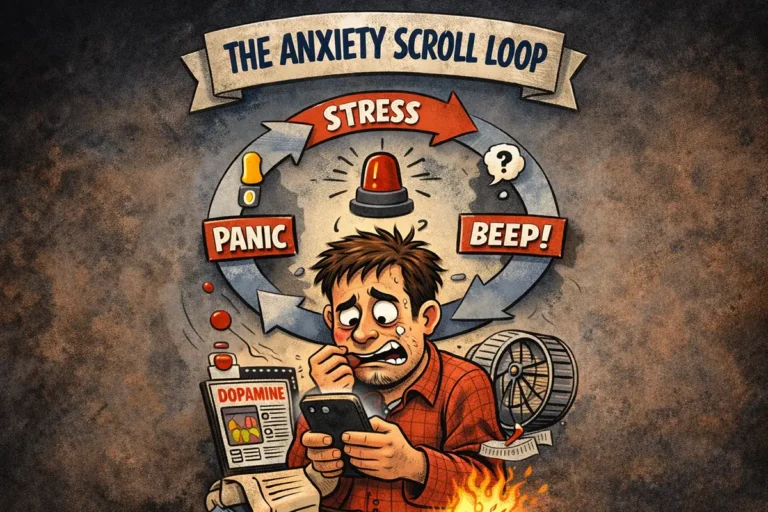
Explore daily insights into managing phone stress, reducing screen time, curbing doomscrolling, and practical digital wellness strategies. Let our science-backed tips and expert advice empower you to build a healthy relationship with technology.
Are you feeling the weight of digital identity stress? Today’s young professionals and creators juggle the pressure of curating a flawless online persona with the longing for authenticity and the fear of lost privacy. This post explores how constant comparison and surveillance drive authenticity anxiety, and how mindful digital use frameworks can restore balance. Learn to align your digital life with your real values and reclaim confidence, authenticity, and well-being online.
Rest isn’t just about stopping it’s a skill you can train. In today’s hyperconnected world, digital rest is essential for focus, sleep, and mental health. By building intentional routines, setting boundaries, and practicing mindful disconnection, you can rewire your brain to truly log off. This guide explains why digital rest matters, how constant screen use drains energy, and the simple strategies that help remote workers, students, and professionals reclaim balance and prevent burnout.
Feeling overwhelmed by endless scrolling? A social media cleanse can help you reset without going cold turkey. Our 30-day calendar gives you one small, achievable challenge each day from turning off notifications to creating app-free zones that builds confidence and reduces stress. By stacking these “tiny wins,” you’ll experience a gradual dopamine reset, improve focus, and reclaim time for what matters most. Start your journey toward digital balance.
YouTube’s autoplay can turn one quick video into an endless binge watching spiral, leaving you overwhelmed and unfocused. If you’ve ever lost hours to the algorithm, you’re not alone. This guide shows you how to reclaim control with a simple three-step routine: disable autoplay, build a “watch later” habit, and set a 3-video limit. By creating intentional boundaries, you’ll break the multitasking cycle, sharpen your focus, and free up time for what really matters.
If you’ve ever downloaded the “perfect” planning app only to abandon it days later, you’re not alone. For people with ADHD, the very tools marketed as productivity hacks often trigger distraction, dopamine chasing, and task paralysis. Complex features and constant notifications overwhelm executive function, leaving you more stuck than supported. This post unpacks why digital systems backfire for neurodivergent brains and offers low-friction planning strategies that reduce overwhelm and help you create routines that actually stick.
Screens are everywhere, but real joy comes from stepping away. This guide offers 10 engaging digital-free activities that help families, friends, and wellness-seekers reconnect offline. From phone-free dinners and analog game nights to mindful nature walks and journaling, each idea is practical, fun, and easy to try. Whether you’re craving laughter, creativity, or calm, these screen-free ideas provide a refreshing antidote to digital overwhelm and create meaningful moments that last far beyond the scroll.
The shift from summer freedom to fall structure can feel overwhelming, deadlines pile up, notifications never stop, and stress skyrockets. This post-summer burnout is more common than you think, and it’s fueled by digital overwhelm and constant connectivity. The good news? You don’t need a full detox retreat. By adding small, intentional micro-habits; like 15-minute resets, alert regulation, and sleep hygiene; you can ease re-entry anxiety and build a sustainable productivity reset for the semester or work season ahead.
We’re more connected than ever, yet many of us feel increasingly alone. Hours spent online may boost virtual interactions, but they quietly weaken our real-world bonds. Likes and comments can’t replace meaningful conversations, and over time, screens can crowd out the moments that truly matter. This is the crisis of digital loneliness: a full feed, but an empty heart. Reclaiming balance starts with protecting offline time and choosing authentic connection over endless scrolling.
Fitness tracking can be a powerful tool but when every step, heartbeat, and sleep cycle is measured, the numbers can start to own you. Instead of boosting motivation, constant monitoring often fuels stress, sleep tracking anxiety, and wearable overload. This post explores when tracking crosses the line from helpful to harmful, and how to reset with mindful strategies that protect your focus, rest, and overall well-being while still reaping the benefits of technology.
Social media can connect, educate, and even support well-being, but only if you use it with intention. Without limits, the very tools that bring us closer can also fuel anxiety, overload, and self-doubt. The positive effects of social media are real, but they vanish when scrolling becomes compulsive. This guide shows you how to practice mindful digital use, curating your feed, setting boundaries, and staying self-aware so you can keep the benefits without slipping into the risks.
Every generation faces a wave of technology that sparks both excitement and fear. From television’s "zombie effect” warnings in the 1950s to today’s concerns over TikTok and infinite scroll, tech anxiety is hardly new. Yet while the platforms evolve, the core challenge remains: balancing connection with well-being. By tracing the history of media panics, we can see patterns that help us respond more wisely today: choosing mindful, sustainable digital habits rather than falling into cycles of fear or overuse.
Struggling to stay focused during study sessions? You’re not alone, distractions are everywhere, but the right sounds may help. Science shows that focus playlists, brown noise study music, and Pomodoro tracks can create a steady environment that sharpens concentration and prevents burnout. But not all audio works: podcasts, for example, often overload the brain. Learn how to test which sound strategy works best for you, and build a personalized audio routine that truly supports your productivity.
The first holiday after divorce doesn’t have to feel like a loss. In fact, mine turned out sweeter, calmer, and surprisingly joyful. By letting go of old expectations and creating simple new traditions with my kids, the season became ours again: cozy, meaningful, and enough. If you’re navigating this transition, you’re not alone. With a few gentle shifts, your holidays can feel lighter and more aligned with what truly matters. Let’s make them yours.
You may already be doing digital wellness work—ADHD and TikTok, couples fighting about phones, teens gaming late, burnout from constant notifications. Offline.now helps you turn these everyday client themes into a clear, searchable specialty. Join the first directory dedicated to tech-related mental health so clients can find you for the issues they’re already struggling with. Expand your visibility, articulate your niche, and connect with people who truly need your expertise.
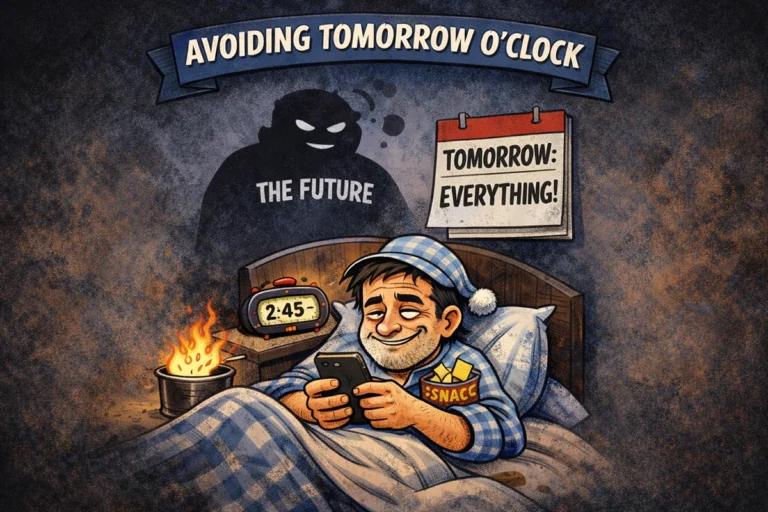
If your evenings keep disappearing into binge-scrolling, streaming, or “just one more episode,” these three simple shifts can help you reclaim real downtime. From using app-based limits, to setting built-in screen boundaries, to filling the digital void with hobbies that genuinely energize you, this guide offers practical changes that actually stick. With bonus tips for navigating kids’ screen habits and emotional transitions, it’s a compassionate roadmap to calmer nights—and a life that finally feels like yours again.
If you’ve tried every digital wellness strategy and still feel restless, anxious, or unable to unplug, the problem isn’t your willpower—it’s your nervous system. In this powerful guest post, resilience coach Amanda Campbell shares how her recovery from paralysis revealed a deeper truth: your body must feel safe before it can disconnect. Through her BAMBOO Method and years of coaching burned-out leaders, she explains why strategies don’t stick and how real resilience begins in the body, not the mind.
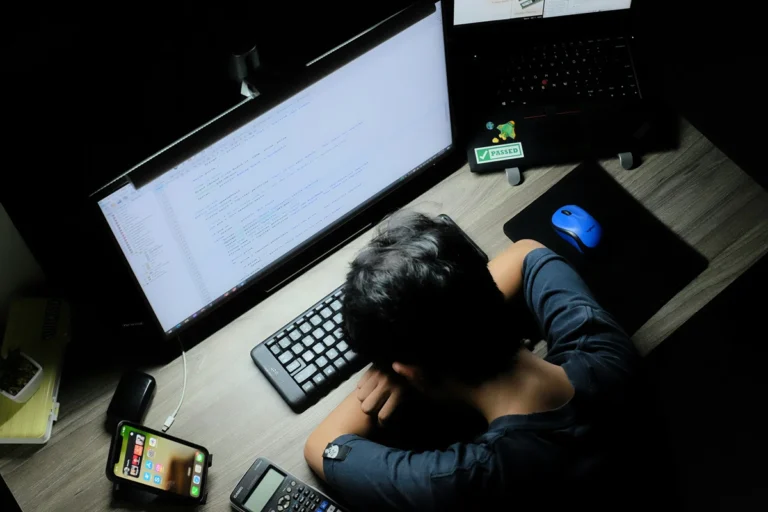
Remote work, study and “side projects” all live on the same screens now—and your brain is feeling it. This guide is your hub for digital burnout at work and school: video call fatigue, inbox chaos, calendar anxiety, tech neck, and the pressure to be “always on.” You’ll find humane strategies for focus, email, tools and boundaries, plus small experiments to protect your energy so you still have something left for life off-screen.
Screen-related stress is now one of the top reasons people search for therapists and coaches from doomscrolling spirals to ADHD distraction, digital burnout, online anxiety, and family screen conflict. Offline.now is the first directory built entirely around technology-related mental and emotional health, helping clients find specialists who understand their digital struggles. Join the directory to get discovered by high-intent clients looking for exactly what you do and grow your practice in the fastest-rising specialty in mental health.