Blog
Welcome to the Offline.now Blog - your trusted resource for navigating digital detox and reclaiming balance.
Explore daily insights into managing phone stress, reducing screen time, curbing doomscrolling, and practical digital wellness strategies. Let our science-backed tips and expert advice empower you to build a healthy relationship with technology.
Infinite feeds spike dopamine, so ADHD brains slip into scroll trances quickly. Log one week of triggers, noting app, emotion, and time. Next install app timers, mute non-urgent pings, and schedule two free focus blocks daily. Curate accounts and replace impulse swipes with sixty second pause or water break. End each day reviewing mood versus minutes to spot progress. Consistent tweaks reclaim attention, lift sleep quality, and prove social apps can serve you, not siphon energy.
Digital balance for college students is a survival skill. Buzzing phones split attention, hurt grades, and heighten anxiety. This guide delivers seven wins: audit screen time, declare tech free zones like library desks, batch notifications, run one screen study sessions, follow the 20-20-20 eye rule, try weekly social media fasts, and practice digital mindfulness before unlocking. Start with one tactic, track mood for a week, then layer another. Small, consistent tweaks beat heroic detox marathons.

Late night screen time sabotages sleep by flooding eyes with blue light and brain with cliffhanger drama. Create a one-hour digital sunset: set an alarm to power down devices, enable night-shift filters if work is unavoidable, and charge phones outside the bedroom. Swap the final scroll for deep breathing, light stretches, or paperback pages. Even one evening trial can shorten sleep latency and lift morning mood. Try your first digital sunset tonight.
Constant pings flood reward circuits, but real change starts with a clear why. Audit unlocks for one day, highlight the three apps that steal most energy, and label every pickup mood. Then craft device free zones, replace boredom swipes with five minute movement hits, and text a partner nightly screen score for accountability. Slip ups are data, not defeat; review Fridays and adjust. Consistent boundaries compound into focus, calmer sleep, and technology that serves you.
Finding digital wellness begins with acknowledging that tech is a tool, not a tyrant. Offline Now gathers neuroscience backed tactics that tame endless reels, midnight doomscrolls, and always on work pings. Explore guides on phone breakups, family tech pacts, blue light sleep fixes, and digital pomodoro focus bursts, then choose one tiny step tonight-like silencing notifications at dinner. Small, intentional habits cascade into calmer minds, deeper relationships, and productivity that feels good instead of frantic.
Our Digital Balance Hub is a living library that matches your Offline.now Matrix quadrant to bite size, science backed actions. Navigate quick-start cards, micro lesson videos, and chatbot coaching without hunting menus. Toggle filters for five minute, fifteen minute, or weekend challenges and bookmark progress dashboards. Monthly updates drop fresh tactics, while community forums swap wins and troubleshoot stalls. Set one alert, open today, pick a tiny move, and feel digital wellness compound all week.
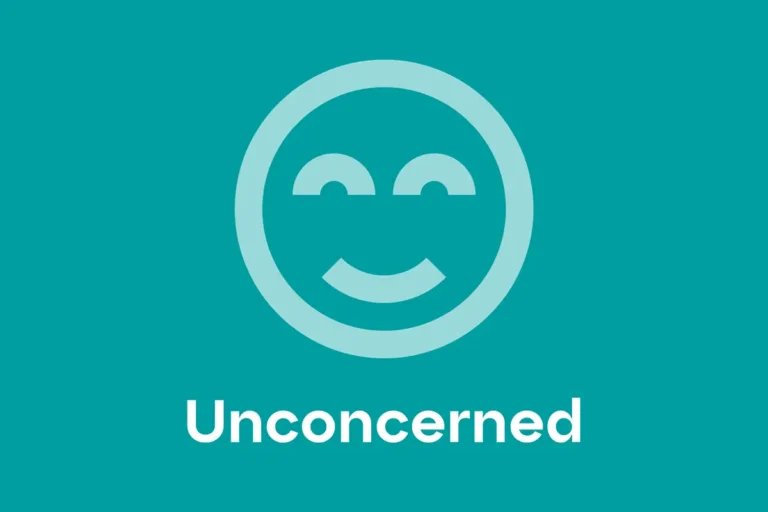
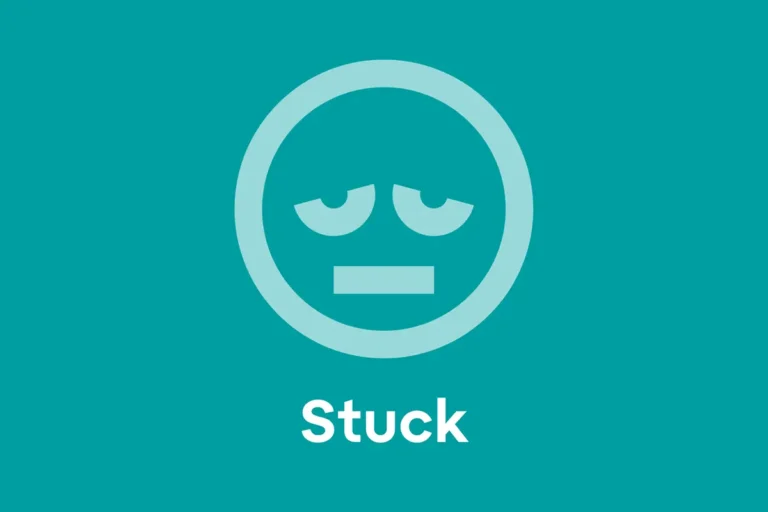
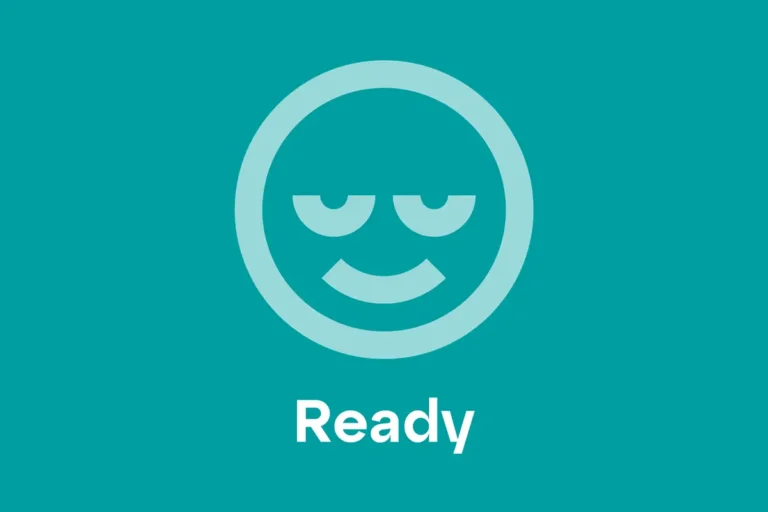
Inside this evidence based field guide you’ll map your Pivot Matrix quadrant and unlock tailored micro steps. Short quizzes surface habits, then pages send Overwhelmed, Ready, Stuck, or Unconcerned readers straight to right sized tactics. Expect two minute wins like phone baskets, blue light sunsets, and detox weekends, plus reflection prompts to track momentum. Progress logs and QR links to our hub keep learning. Grab the book, test one tactic tonight, and feel bandwidth grow.
Micro learning proves tiny steps beat heroic detox weekends. Each small win delivers a dopamine drip that wires lasting habits. Start by silencing one non-essential app, placing your phone face-down for two minutes each hour, or moving Instagram one folder deeper. Stack the new action onto an existing cue, track streaks on paper, and celebrate out loud. Consistency, not intensity, transforms identity: you become someone who manages tech with ease every single day.
In three minutes this quiz reveals your Pivot Matrix quadrant so goals finally fit motivation. Rate six quick statements, add scores, and land in Ready, Overwhelmed, Stuck, or Unconcerned. Instant results page links to one starter tactic, five minute video, and hub playlist tailored to your zone. Retake monthly, celebrate color shifts, and adjust plans before burnout hits. Clarity replaces guesswork, and progress moves from sporadic to steady within days. Take the quiz right now.
Feeling fine can mask subtle tech damage. Blue light chips away at deep sleep, pings fracture focus for twenty three lost minutes, and silent phones on tables erode conversation depth. This article invites curiosity with two experiments: phone free weekend mornings and no visible phones dinners. Record mood, clarity, and connection afterwards to surface hidden costs. Awareness, not guilt, is the goal. Once you notice energy leaks, natural motivation emerges to dial screens back slowly.
Stuck doesn’t equal failure; it signals low energy and confidence. Lift mood first: jot one gratitude snapshot, soak two minutes of sunlight, or breathe three deep breaths. When brighter, slip in five minute phone exile or color coded mood calendar without judgment. Small, repeatable wins release dopamine, rebuild belief, and create momentum. Consistency beats intensity. Pebble upon pebble forms a path. Gentle persistence turns the wheel, nudging you from stuck to overwhelmed, then ready soon.
You’ve nailed the basics and crave a stretch goal. Advanced balance starts here. Try a 30 day social sabbatical, batch notifications into two ten minute windows, or level up accountability with screen time screenshots and playful stakes. Flow theory says challenge matching skill sparks engagement, so these tactics keep motivation high without burnout. Review progress monthly, adjust pace, and share wins to mentor others. Growth shifts from restraint to intentional tech minimalism that energizes life.
The Offline.now Matrix is your map to digital balance a 2×2 tool that helps you identify where you are on the spectrum of motivation and confidence. Whether you’re Overwhelmed, Ready, Stuck, or Unconcerned, you’ll find micro-strategies tailored to your starting point. In just two quiz questions, you can pinpoint your quadrant and take intentional, practical steps toward feeling more in control of your time, attention, and energy without ditching your devices.
The Offline.now Matrix may look simple, but it’s built on decades of research in self-efficacy, stages of change, and positive psychology. By mapping motivation and confidence, it meets you where you are without judgment and pairs you with science-backed micro-strategies for lasting change. From BJ Fogg’s tiny habits to emerging screen time studies, this framework turns proven theory into practical steps for digital balance. Start small, stay consistent, and discover your quadrant with our quick quiz.
Boredom isn’t wasted time, it’s your creativity engine. When you stop filling every lull with screens, the brain shifts into default mode daydreaming, where ideas collide and insights surface. This post reframes boredom as a healthy pause, unpacks the science of mind-wandering and creative incubation, and offers five micro-detox tactics from scheduled no-scroll moments to analog hobbies. Use your journal and turn idle minutes into spark sessions that revive focus and imagination every single day again.
The Single Room Rule is a behaviorally informed strategy to reduce phone dependency by designating a single space for device use. Grounded in habit science and digital wellness research, this method minimizes environmental triggers, boosts self-regulation, and encourages intentional tech use. Ideal for parents, professionals, and students alike, this practical approach helps you reclaim attention, improve sleep, and foster real-world connection without relying on willpower alone. A small boundary that yields measurable psychological benefits.
Phones hand out dopamine on demand, perfect for ADHD brains, but brutal for productivity. If “just five minutes” of scrolling morphs into an hour, try these four research-backed shifts. Swap self-blame for ADHD coaching that builds planning skills and self-compassion; lean on uncluttered digital tools and a no-login ChatBot for gentle nudges; reset with a quick walk to boost executive function; and stack tiny “micro-wins” like answering one text. Progress, not perfection, rewires phone habits and your day.
Is your phone packed with 20,000 photos you never scroll? That silent stress is digital hoarding—cloud clutter that drains focus and sparks guilt. This post rewrites decluttering as self-care: clarify your “why,” nail quick wins like duplicate deletion and screenshot sweeps, mute non-essential notifications, and schedule device-free zones to stop new piles forming. Progress, not perfection, is the rule. Finish by creating a bite-size declutter checklist and start curating memories that actually matter.