Blog
Welcome to the Offline.now Blog - your trusted resource for navigating digital detox and reclaiming balance.
Explore daily insights into managing phone stress, reducing screen time, curbing doomscrolling, and practical digital wellness strategies. Let our science-backed tips and expert advice empower you to build a healthy relationship with technology.
Feeling fine can mask subtle tech damage. Blue light chips away at deep sleep, pings fracture focus for twenty three lost minutes, and silent phones on tables erode conversation depth. This article invites curiosity with two experiments: phone free weekend mornings and no visible phones dinners. Record mood, clarity, and connection afterwards to surface hidden costs. Awareness, not guilt, is the goal. Once you notice energy leaks, natural motivation emerges to dial screens back slowly.
Stuck doesn’t equal failure; it signals low energy and confidence. Lift mood first: jot one gratitude snapshot, soak two minutes of sunlight, or breathe three deep breaths. When brighter, slip in five minute phone exile or color coded mood calendar without judgment. Small, repeatable wins release dopamine, rebuild belief, and create momentum. Consistency beats intensity. Pebble upon pebble forms a path. Gentle persistence turns the wheel, nudging you from stuck to overwhelmed, then ready soon.
You’ve nailed the basics and crave a stretch goal. Advanced balance starts here. Try a 30 day social sabbatical, batch notifications into two ten minute windows, or level up accountability with screen time screenshots and playful stakes. Flow theory says challenge matching skill sparks engagement, so these tactics keep motivation high without burnout. Review progress monthly, adjust pace, and share wins to mentor others. Growth shifts from restraint to intentional tech minimalism that energizes life.
Feeling overwhelmed by screens doesn’t mean you lack willpower. Apps are engineered for frictionless relapse. This post rebuilds confidence through tiny wins: delete three derailment apps for a week, charge the phone outside the bedroom to enjoy a screen free sunrise, and track each resisted check in a notebook. Each micro victory triggers dopamine and proves you can steer habits. Celebrate, breathe, repeat - gentle momentum lifts you from overwhelmed toward ready for bigger moves.
Feeling tethered to notifications yet anxious to unplug signals a digital diet gone sour. Real balance lets tech serve clear goals instead of stealing attention, sleep, and relationships. Begin with a one-day pickup audit, block phone-free meals, create bedroom and dining no-phone zones, and pause before each tap to ask why. Small, intentional boundaries compound into calmer mood, sharper focus, and richer conversations—without banning the devices you still need.
Smartphones leverage unpredictable rewards to glue us to glowing screens. This post shows how to break the habit loop through five science backed moves: track every unlock and emotion for one day, mute super stimulus notifications, breathe for sixty seconds before taps, park the phone in another room for morning detox windows, and swap digital hits for walks or friend texts. Each tiny experiment weakens cue craving response and proves real world rewards feel better.
Power struggles over tablets drain family peace; a written tech pact turns tension into teamwork. Gather everyone, list shared values like sleep, homework, and laughter, then co-create clear rules on apps, timing, and bedroom screens. Sign, post on fridge, and check wins every Friday, adjusting one clause together. Add a charging basket at dinner, 25-5 homework timers, and praise streaks instead of scolding slips. Kid-approved boundaries build lifelong digital balance and lighter evenings for everyone.
Digital burnout prevention strategies give executives a moat against overload. Begin with a VIP email filter, two review windows, and stop letting the inbox double as a list. Slash meeting overload by defaulting to fifteen minute stand ups and asking “async?” before invites. Protect two daily 90 minute focus blocks behind do not disturb, then anchor recovery habits like 20 squats or 90 second box breathing. Weekly digital diet audits refine boundaries before stress snowballs.
ADHD amplifies digital noise. Bright screens, pings, and infinite feeds bombard sensory circuits, fragmenting focus and draining energy. This post offers five wins: dim and warm displays, corral key apps on one calm home screen, schedule one breathing reset, deploy two minute movement breaks at trigger hours, and carve device free zones in bedroom and dining room. Accessibility tools like Focus mode and speech to text let the phone adapt to you, not vice versa.
Instagram Stories addiction trades quick laughs for stolen hours. Variable rewards, FOMO, and looming expiry keep thumbs tapping. Beat micro-scrolling with three guardrails: batch two 10-minute viewing windows, set app timers that auto-lock Stories afterward, and touch a physical “anchor” object before every impulse swipe. Add purposeful follows and hide streak counts to ease guilt. Intentional viewing restores focus, sleep, and creativity. Start by scheduling tomorrow’s scroll blocks and breathe before tapping.
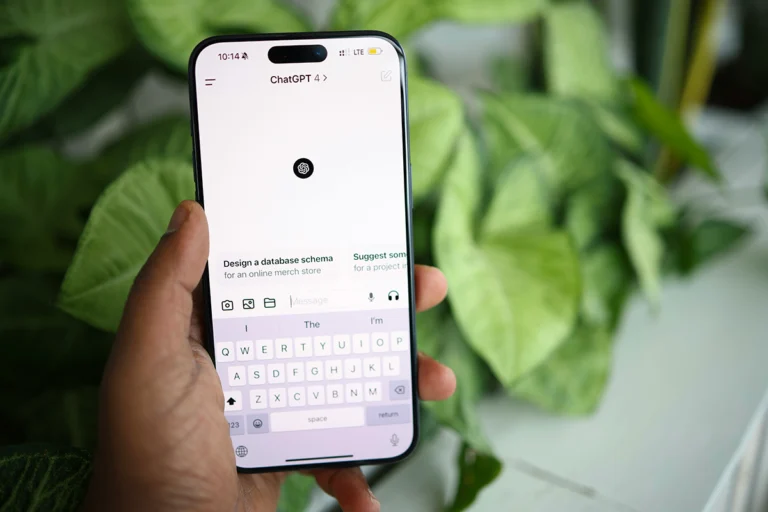
Rapid AI upgrades excite yet exhaust. Constant feature drops spark FOMO, black box worry, and pressure to automate everything. This article delivers quick ChatGPT anxiety solutions: time box usage into two daily blocks, keep an AI wish list to curb rabbit holes, pause and breathe before sending prompts, lock apps after 8pm, and remember you can leverage AI on your terms. Structured windows turn ChatGPT from stressor into tool, preserving sleep, motivation, and clarity daily.
Device free family time starts with a shared tech pact. Instead of nagging, gather everyone to list screen joys and pains, agree on dinner table and bedroom phone bans, and pick one screen free evening each week. Create a central charging station, swap scrolling for quick games or cooking together, and review the pact monthly to tweak rules. Families who protect conversation windows report richer connection, calmer bedtimes, and kids who learn lifelong digital balance.
Does your inbox feel like it’s overflowing with unwanted newsletters and endless promotions? A cluttered inbox doesn’t just waste time, it drains focus and adds to mental stress. In this guide, you’ll learn a simple 15-minute unsubscribe sprint to quickly clear out digital noise and move closer to inbox zero. With step-by-step instructions and ongoing maintenance tips, this routine helps ambitious professionals reclaim control, boost productivity, and create lasting clarity.
Time blindness is a common yet often misunderstood challenge for individuals with ADHD. It goes beyond poor time management: impacting focus, planning, and emotional regulation. The ADHD brain naturally gravitates toward immediate stimulation, making delayed rewards difficult to conceptualize. Research highlights that effective support requires a multifaceted approach, blending cognitive, behavioral, psychological, and environmental strategies. By reframing time perception and building layered systems, individuals with ADHD can better manage productivity and daily routines.
Is your calendar running your life instead of helping you manage it? In today’s always-on work culture, nonstop meetings and notifications can fuel stress, disrupt sleep, and drain focus. This guide unpacks the hidden cost of calendar anxiety and offers a simple solution: white-space planning. By intentionally leaving room to pause, reflect, and recharge, you can prevent burnout, sharpen your focus, and reclaim control of your time, one small block at a time.
Dating apps promise connection, but for many, they deliver stress, pressure, and emotional exhaustion. If you’ve ever felt drained after endless swiping, ghosting, or questioning your self-worth, you may be experiencing dating app burnout—a form of digital fatigue millions share. The good news? You’re not broken. This guide explores the hidden signs of dating app overwhelm, the psychology behind it, and practical steps for a digital dating detox to help you reconnect with yourself.
The Offline.now Matrix is your map to digital balance a 2×2 tool that helps you identify where you are on the spectrum of motivation and confidence. Whether you’re Overwhelmed, Ready, Stuck, or Unconcerned, you’ll find micro-strategies tailored to your starting point. In just two quiz questions, you can pinpoint your quadrant and take intentional, practical steps toward feeling more in control of your time, attention, and energy without ditching your devices.
The Offline.now Matrix may look simple, but it’s built on decades of research in self-efficacy, stages of change, and positive psychology. By mapping motivation and confidence, it meets you where you are without judgment and pairs you with science-backed micro-strategies for lasting change. From BJ Fogg’s tiny habits to emerging screen time studies, this framework turns proven theory into practical steps for digital balance. Start small, stay consistent, and discover your quadrant with our quick quiz.