Blog

Welcome to the Offline.now Blog - your trusted resource for navigating digital detox and reclaiming balance.

Explore daily insights into managing phone stress, reducing screen time, curbing doomscrolling, and practical digital wellness strategies. Let our science-backed tips and expert advice empower you to build a healthy relationship with technology.
The Single Room Rule is a behaviorally informed strategy to reduce phone dependency by designating a single space for device use. Grounded in habit science and digital wellness research, this method minimizes environmental triggers, boosts self-regulation, and encourages intentional tech use. Ideal for parents, professionals, and students alike, this practical approach helps you reclaim attention, improve sleep, and foster real-world connection without relying on willpower alone. A small boundary that yields measurable psychological benefits.
Phones hand out dopamine on demand, perfect for ADHD brains, but brutal for productivity. If “just five minutes” of scrolling morphs into an hour, try these four research-backed shifts. Swap self-blame for ADHD coaching that builds planning skills and self-compassion; lean on uncluttered digital tools and a no-login ChatBot for gentle nudges; reset with a quick walk to boost executive function; and stack tiny “micro-wins” like answering one text. Progress, not perfection, rewires phone habits and your day.
Is your phone packed with 20,000 photos you never scroll? That silent stress is digital hoarding—cloud clutter that drains focus and sparks guilt. This post rewrites decluttering as self-care: clarify your “why,” nail quick wins like duplicate deletion and screenshot sweeps, mute non-essential notifications, and schedule device-free zones to stop new piles forming. Progress, not perfection, is the rule. Finish by creating a bite-size declutter checklist and start curating memories that actually matter.
Ever yanked out your phone after a phantom buzz only to find silence? That eerie misfire is phantom vibration syndrome - your brain’s sensorimotor wiring glitching after constant notifications. This post unpacks how prediction-error loops and dopamine-driven checking habits create phantom phone sensations, then delivers five coach-style micro-wins: relocate the device, switch vibration patterns, run a body-scan reset, schedule no-buzz blocks, and try a weekly bag-carry challenge. Quiet the “ghost buzz” and reclaim calm focus.
A digital-free vacation rewires how you travel. Swapping smartphones for simple paper maps and face-to-face chats lowers cortisol, lifts mood, and lets your senses register every sea breeze and street melody. This guide walks you through setting clear tech boundaries, choosing unplugged destinations, and packing analog backups like film cameras and guidebooks. With screen-free travel tips for families and solo adventurers alike, you’ll return home rested, re-connected, and rich with real memories worth sharing offline.
Still sleep with your phone in the room? That glowing rectangle floods your brain with blue light, suppresses melatonin, and tempts night-owls into 2 a.m. doomscrolls. Research says simply parking the device eight feet away can restore circadian rhythms, reduce anxiety, and deepen REM sleep. Our quick guide unpacks the science, shares stylish bedside-free alarm options, and offers micro-wins like a 30-minute pre-bed swap to help you wake clearer, calmer, and ready for real-world focus every day.
Mindless thumb-flicking and endless bad-news binges aren’t the same digital trap. Zombie scrolling is that detached, trance-like drift through random feeds, slowly draining attention. Doomscrolling is a negativity loop, chasing alarming headlines that spike anxiety. Our post unpacks the science behind both habits, shows why motivation and confidence matter, and offers quadrant-specific micro-wins - from timer tricks to values resets - to help night owl professionals reclaim focus, mood, and sustained energy daily without deleting your favorite social apps entirely.
Autoplay’s countdown makes “just one more” the default. To limit binge watching without losing the fun, pre-decide an episode cap, disable autoplay, and pair the end of each session with an offline reward (tea, journaling, stretch). Stand up at every credit roll and ask, “Am I still watching by choice?” Host short watch-parties for social benefit, and keep the day’s first/last 30 minutes screen-free. These tiny, evidence-backed tweaks transform marathon nights into mindful, guilt-free streaming.

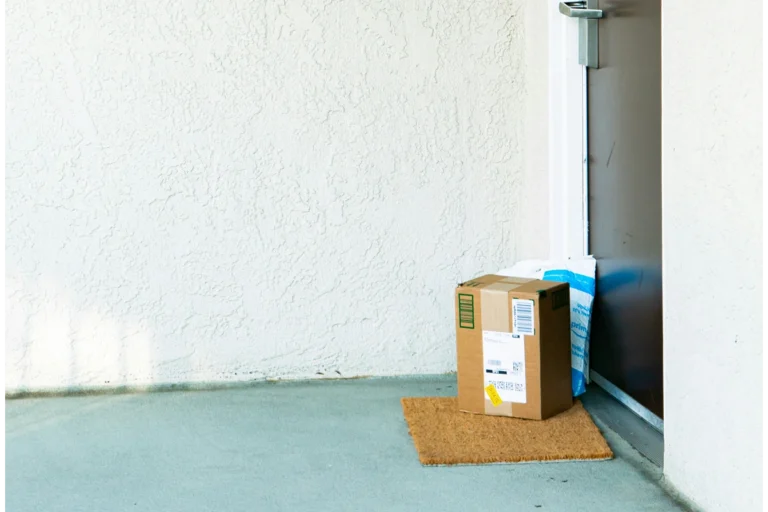
Online shopping is consuming - but your wallet (and well-being) don’t have to suffer. “Shop Less, Live More” breaks the doom-scroll-to-doorstep cycle with a science-backed, 7-step plan to reduce online shopping. Learn how 24-hour cool-off timers, ad-free inbox filters, and a 30-day no-buy challenge turn impulse clicks into mindful purchasing. We’ll show Millennials and Gen Z pros how to cut e-commerce spending, tame online shopping addiction, and swap retail therapy for richer offline joys-no guilt required.
Swap screen glare for sunshine this season. Our guide shares ten creative, budget-friendly digital-free summer activities that pull families and friends off the couch and into real-world connection. Hike at dawn, host a backyard game night, craft a film-camera photo walk, or declare a screen-free Sunday potluck - each idea sparks movement, laughter and genuine conversation while lowering stress and boosting sleep. Think of them as mini detoxes: small swaps that build a healthier relationship with tech.
News should inform you, not immobilize you. Yet constant alerts, live blogs, and doomscrolling create news fatigue - a mix of anxiety, distraction, and sheer mental drain. This guide shows you how to break the cycle without quitting headlines: curate just a few trusted sources, schedule two short check-ins a day, swap endless scrolling for summary digests, and reset with mindfulness or an offline hobby. Small, consistent tweaks transform the news from mood-killer to manageable part of a balanced media diet.
Your feed is more than filler - it’s fuel for your thoughts. Swap doomscroll fatigue for daily inspiration by curating your social media feed with intention. Mute or hide posts that spike anxiety, unfollow accounts that spark comparison, and actively like content that educates, uplifts, or makes you laugh. Each tap reshapes the algorithm, turning endless scrolls into positive social scrolling. Within days you’ll notice lighter moods, sharper focus, and a timeline that finally feels like your space.
Forward head posture during screen marathons adds up to sixty pounds of neck strain. Raise monitors to eye level with books or a stand, hold phones at chin height, and set a thirty minute chime for movement. Cycle through quick chin tucks, shoulder rolls, and doorway chest openers while files load. Pair stretches with water breaks to lock habit and prevent stiffness. Daily micro resets relieve pain more effectively than occasional marathon yoga sessions alone.
Blue light and sleep: Night Shift did not improve sleep in a randomized trial. What blue light does, what keeps you awake, and what to change.
Digital Pomodoro method upgrades the classic 25-5 rhythm for modern remote work. Schedule three morning sprints, launch a focus app to silence notifications, and treat each block like a client meeting. After four cycles, take a twenty minute recharge then repeat after lunch. The structure combats online temptations and hazy boundaries, training attention while preserving energy. Keep phones in another room, mark calendar slots busy, and watch productivity rise as fatigue and procrastination fall away.
Deep work strategies give your brain the uninterrupted stretches needed for complex thinking and career edge. This distraction survival guide teaches you to time block 90 minute focus windows, silence every non-essential notification, and restore attention with five minute nature breaks. You’ll pair digital minimalism with weekly rituals that prime the mind for flow and end the day with an audit to refine tomorrow. Result: higher output, faster learning, and lower technostress without quitting tech.
Phone separation anxiety, or nomophobia, turns a low battery into a panic attack. Use our quick five-question self-test to gauge stress, then try four compassionate fixes: silence non-essential notifications, create ten-minute micro-detox windows, stash chargers everywhere to tame battery fear, and swap reflex checks for a stretch or mindful breath. Track progress for a week and notice heart rate, focus, and sleep improve. Anxiety fades as small wins stack.
Doomscrolling exploits our threat radar, rewarding each alarming headline with a dopamine jolt. Break the loop using five evidence-backed moves: schedule two short news windows, mute breaking alerts, ask “Is this actionable?” before reading, insert 24-hour detox sprints, and follow solution-oriented outlets to balance bias. These steps calm the amygdala, cut anxiety, and free cognitive bandwidth for real work. Pick one tactic today, log mood changes, and watch urgency shrink.