Blog

Welcome to the Offline.now Blog - your trusted resource for navigating digital detox and reclaiming balance.

Explore daily insights into managing phone stress, reducing screen time, curbing doomscrolling, and practical digital wellness strategies. Let our science-backed tips and expert advice empower you to build a healthy relationship with technology.
ADHD and phone habits: why willpower fails and what sticks. One small step, one if-then plan, and a two-question quiz that takes about a minute.
Healthy technology habits are more sustainable when families focus on understanding the needs behind device use rather than simply imposing restrictions. Small, collaborative changes can build confidence and create routines that are easier to maintain over time.
For university students with ADHD, the hardest part is often not knowing what needs to be done, it’s actually getting started. Task initiation, disrupted routines, procrastination, and difficulty managing time and energy can make academic work feel overwhelming. ADHD coaching can help by creating practical systems, breaking assignments into manageable steps, building accountability, and developing routines that fit how each student actually works. This article explores why starting can feel so difficult and the strategies that can help students build more consistent academic habits.
Individual therapy can help you understand the deeper patterns behind recurring relationship conflict. By building emotional awareness, recognizing stress responses, and exploring past experiences, therapy can create more space to communicate honestly, respond differently, and feel more connected in your relationships.
If reading used to feel effortless but now you find yourself reaching for your phone instead, you're not alone. This article explores how constant scrolling reshapes your attention, why books feel harder to focus on, and the simple, research-backed habits that can help you rebuild a sustainable reading routine, without relying on willpower or a complete digital detox.
Build a healthier relationship with your phone without another app, detox, or complicated system. Learn how small, low-friction changes can reduce mindless scrolling and make healthier phone habits easier to maintain
Online attachment quizzes may offer quick labels, but they often miss how modern digital habits can intensify relationship anxiety. This article explores the clinical roots of attachment and how constant connectivity, read receipts, instant reassurance, dating apps, and digital availability can amplify insecurity. It also shares practical strategies for creating healthier communication boundaries and building greater emotional safety in adult relationships.
When ADHD affects the rhythm of family life, mornings, homework, transitions, and bedtime can quickly become sources of daily stress. ADHD parent coaching can help by turning those pressure points into practical, repeatable systems. From routine-building and executive function support to behaviorally informed strategies and caregiver consistency, the right coaching can help families reduce chaos, strengthen follow-through, and create a calmer home environment, without expecting perfection.
Rebuilding confidence after midlife divorce starts with small, intentional steps. From creating new routines and making postponed decisions to practicing self-kindness and seeking the right support, women can gradually rebuild self-trust, clarity, and a steadier sense of self for the next chapter.
Entrepreneurs often know exactly what they want to accomplish but struggle to turn competing priorities into consistent action. ADHD coaching with structured accountability can help by making priorities clearer, breaking large goals into manageable steps, and creating practical systems for meeting deadlines. For business owners dealing with time management, focus, and follow-through challenges, the right coaching support can make it easier to protect important work from constant distractions and build habits that last.
When work pressure, digital overload, caregiving, and everyday uncertainty start to feel overwhelming, finding the right support can make a meaningful difference. This guide explores how to recognize when stress may be affecting your wellbeing, what to look for in a therapist, and why personalized, Gestalt-informed care can help you build greater self-awareness, self-compassion, and emotional space.
Personalized ADHD routine support focuses on building practical systems that fit your real life rather than forcing rigid routines that create more stress. From executive function coaching and body doubling to visual planners, reminders, and accountability tools, the right support can reduce mental load, improve follow-through, and make everyday tasks easier to start. For adults balancing ADHD with work and leadership responsibilities, flexible, strengths-based routines can help turn recurring challenges into manageable systems.
A digital-free vacation rewires how you travel. Swapping smartphones for simple paper maps and face-to-face chats lowers cortisol, lifts mood, and lets your senses register every sea breeze and street melody. This guide walks you through setting clear tech boundaries, choosing unplugged destinations, and packing analog backups like film cameras and guidebooks. With screen-free travel tips for families and solo adventurers alike, you’ll return home rested, re-connected, and rich with real memories worth sharing offline.
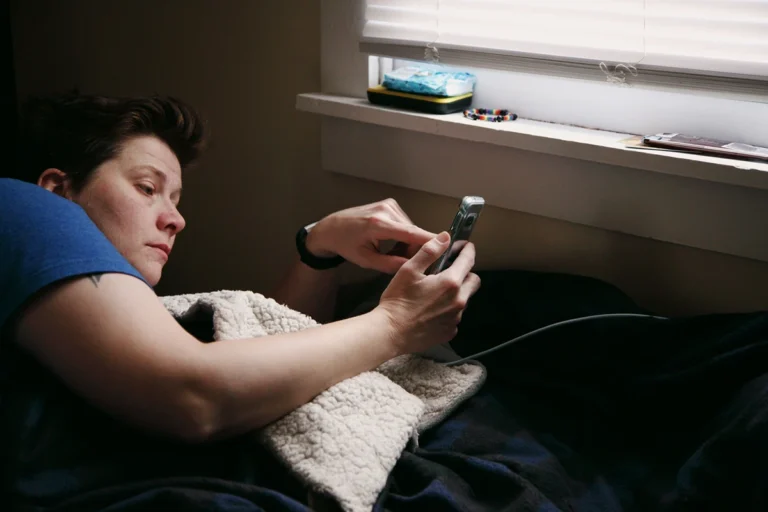
Still sleep with your phone in the room? That glowing rectangle floods your brain with blue light, suppresses melatonin, and tempts night-owls into 2 a.m. doomscrolls. Research says simply parking the device eight feet away can restore circadian rhythms, reduce anxiety, and deepen REM sleep. Our quick guide unpacks the science, shares stylish bedside-free alarm options, and offers micro-wins like a 30-minute pre-bed swap to help you wake clearer, calmer, and ready for real-world focus every day.
Mindless thumb-flicking and endless bad-news binges aren’t the same digital trap. Zombie scrolling is that detached, trance-like drift through random feeds, slowly draining attention. Doomscrolling is a negativity loop, chasing alarming headlines that spike anxiety. Our post unpacks the science behind both habits, shows why motivation and confidence matter, and offers quadrant-specific micro-wins - from timer tricks to values resets - to help night owl professionals reclaim focus, mood, and sustained energy daily without deleting your favorite social apps entirely.
Autoplay’s countdown makes “just one more” the default. To limit binge watching without losing the fun, pre-decide an episode cap, disable autoplay, and pair the end of each session with an offline reward (tea, journaling, stretch). Stand up at every credit roll and ask, “Am I still watching by choice?” Host short watch-parties for social benefit, and keep the day’s first/last 30 minutes screen-free. These tiny, evidence-backed tweaks transform marathon nights into mindful, guilt-free streaming.
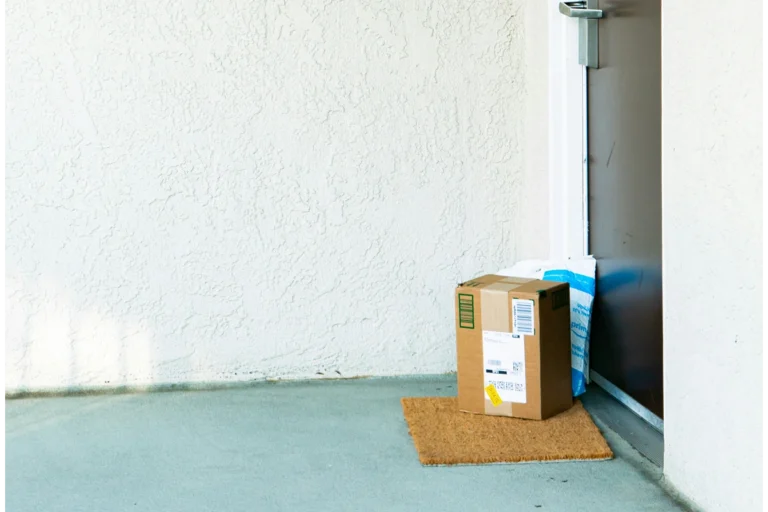
Online shopping is consuming - but your wallet (and well-being) don’t have to suffer. “Shop Less, Live More” breaks the doom-scroll-to-doorstep cycle with a science-backed, 7-step plan to reduce online shopping. Learn how 24-hour cool-off timers, ad-free inbox filters, and a 30-day no-buy challenge turn impulse clicks into mindful purchasing. We’ll show Millennials and Gen Z pros how to cut e-commerce spending, tame online shopping addiction, and swap retail therapy for richer offline joys-no guilt required.
Swap screen glare for sunshine this season. Our guide shares ten creative, budget-friendly digital-free summer activities that pull families and friends off the couch and into real-world connection. Hike at dawn, host a backyard game night, craft a film-camera photo walk, or declare a screen-free Sunday potluck - each idea sparks movement, laughter and genuine conversation while lowering stress and boosting sleep. Think of them as mini detoxes: small swaps that build a healthier relationship with tech.