Blog
Welcome to the Offline.now Blog - your trusted resource for navigating digital detox and reclaiming balance.
Explore daily insights into managing phone stress, reducing screen time, curbing doomscrolling, and practical digital wellness strategies. Let our science-backed tips and expert advice empower you to build a healthy relationship with technology.
Screen-related stress is now one of the top reasons people search for therapists and coaches from doomscrolling spirals to ADHD distraction, digital burnout, online anxiety, and family screen conflict. Offline.now is the first directory built entirely around technology-related mental and emotional health, helping clients find specialists who understand their digital struggles. Join the directory to get discovered by high-intent clients looking for exactly what you do and grow your practice in the fastest-rising specialty in mental health.
I once believed my colour-coded calendar proved I had elite time-management skills until divorce, job loss, and a global shutdown handed me empty evenings I didn’t know how to fill. With no distractions left, I realized I wasn’t managing time; I was stuffing it to avoid asking harder questions. As screen time crept in to replace the chaos, I had to face what I was really chasing and what I actually wanted from my newly reclaimed hours.
Screens slipped quietly into the middle of our families, meals and marriages and now it’s hard to remember what being together felt like before the scroll. This guide is your starting point for rethinking phones, parenting and partnership without going full “no screens ever” mode. You’ll explore boundaries for kids and teens, desire and dating in the app era, and simple family rituals that make real connection feel possible again, even when life feels unbearably busy.
Managing screen time with ADHD can feel overwhelming from distraction spirals to hyperfocus loops to the constant pull of notifications. You don’t have to figure it out alone. Offline.now connects you with specialists who understand how ADHD brains interact with digital life. Explore experts in ADHD digital management, hyperfocus support, and executive functioning skills. Many offer free intro chats so you can find the right fit and start building healthier, more sustainable digital habits.
ADHD and your phone aren’t enemies, they’re just playing by rules nobody explained to you. This guide unpacks how dopamine, time blindness and digital overwhelm collide with your apps, and why willpower alone never works for long. You’ll get ADHD-friendly ways to study, work, scroll and rest, plus tiny experiments to rebuild focus and self-trust without pretending you’ll suddenly stop using TikTok, Instagram or YouTube, even if past systems failed and every notification still feels strangely urgent.
In a world of nonstop pings and endless feeds, it’s easy to feel overstimulated yet profoundly alone. Digital loneliness is the hidden cost of hyperconnectivity; constant online engagement that erodes real emotional connection. This article explores why being “always on” fuels stress, anxiety, and emotional fatigue, and how small, mindful “presence breaks” can help you unplug with purpose, rebuild focus, and rediscover the comfort of genuine, human connection.
Feeling relationship stress because of phones or screen time? You’re not alone and you don’t have to figure it out by yourself. At Offline.now, you can book a free intro chat with experts who understand modern relationship challenges, from device boundaries to phubbing to digital disconnect. Explore specialists in relationship stress, online dating, and family dynamics, and connect with someone who can help you rebuild clarity, communication, and real connection.
If “just one more scroll” keeps turning into an hour you didn’t mean to spend, this hub is your guide to understanding and interrupting the cycle. You’ll learn the difference between doomscrolling, zombie scrolling, and micro-scrolling, why short-form feeds feel so addictive, and how your social media habits shape anxiety, comparison, and FOMO. With gentle, realistic tools not guilt or extremes; you’ll discover small shifts that help you reclaim focus, calm, and control.
If you’ve ever opened your phone to “check one thing” and resurfaced an hour later wondering what just happened, you’re not alone. Digital Balance 101 is your gentle, practical guide to creating a healthier relationship with your screens. Learn how to identify your current habits, understand why your phone feels so sticky, and explore small, realistic steps that help you feel calmer, more present, and back in control of your attention.
In a world of constant distraction, true presence has become a rare skill. Mindful connection isn’t about rejecting technology; it’s about reclaiming your attention. This post explores how intentional tech habits, single-task focus, and deep listening rebuild emotional presence and relational flow. Learn simple rituals: like phone-free meals and mindful check-ins that help you slow down, listen fully, and rediscover the joy of being truly with people, not just near them.
In online dating, silence can be self-care. This post explores how ghosting and muting have evolved into new forms of digital boundaries; quiet acts of emotional self-protection in an age of constant connection. Learn how to manage communication overload, reclaim your attention, and prioritize emotional clarity without guilt. Setting limits isn’t rude: it’s mindful. Discover practical, compassionate ways to protect your peace while staying true to your digital and emotional balance.
High-achieving women with ADHD often appear organized and capable while silently battling exhaustion, emotional overwhelm, and self-doubt. Decades of underdiagnosis have left many masking symptoms through perfectionism and overwork. This article explores why ADHD presents differently in women, how emotional regulation and digital habits fuel burnout, and how compassionate coaching and “tiny wins” can rebuild self-trust. Learn small, actionable steps to move from invisible struggle to visible self-acceptance and balance.
Phone separation anxiety, or nomophobia, turns a low battery into a panic attack. Use our quick five-question self-test to gauge stress, then try four compassionate fixes: silence non-essential notifications, create ten-minute micro-detox windows, stash chargers everywhere to tame battery fear, and swap reflex checks for a stretch or mindful breath. Track progress for a week and notice heart rate, focus, and sleep improve. Anxiety fades as small wins stack.
Doomscrolling exploits our threat radar, rewarding each alarming headline with a dopamine jolt. Break the loop using five evidence-backed moves: schedule two short news windows, mute breaking alerts, ask “Is this actionable?” before reading, insert 24-hour detox sprints, and follow solution-oriented outlets to balance bias. These steps calm the amygdala, cut anxiety, and free cognitive bandwidth for real work. Pick one tactic today, log mood changes, and watch urgency shrink.
LinkedIn anxiety sparks career FOMO every time a promotion post pops up. This toolkit swaps comparison for clarity in five steps: schedule two 15-minute LinkedIn blocks, mute trigger accounts, log three weekly wins to anchor self-worth, send one intentional outreach note, and unplug for a LinkedIn-free weekend each month. These habits cut distraction, protect sleep, and sustain meaningful networking. Add Friday progress logs and watch stress drop while real opportunities rise.
Instagram Reels flood your brain with endless novelty, fast swipes, and algorithmic rewards, making focus vanish. If you lose time, feel jittery without the app, or scroll during tasks, you’re edging toward compulsive use. This guide breaks the loop with a four step plan: log every scroll trigger, silence push alerts, set daily caps, and run weekend uninstalls. Mindful viewing plus dopamine detox swaps Reels for real life rewards so attention, sleep, and mood rebound.
TikTok rapid fire feed hijacks dopamine and drains hours. Track triggers for two days, logging place, mood, and time of every swipe. Export favorites, log out everywhere, delete the app, and hand the store password to a friend. Swap cravings with brisk walks, push ups, or quick voice notes. FOMO waves will pass; breathe, reread your trigger list, and mark another screen free evening. Within a week reclaimed time boosts sleep, focus, and creativity again.
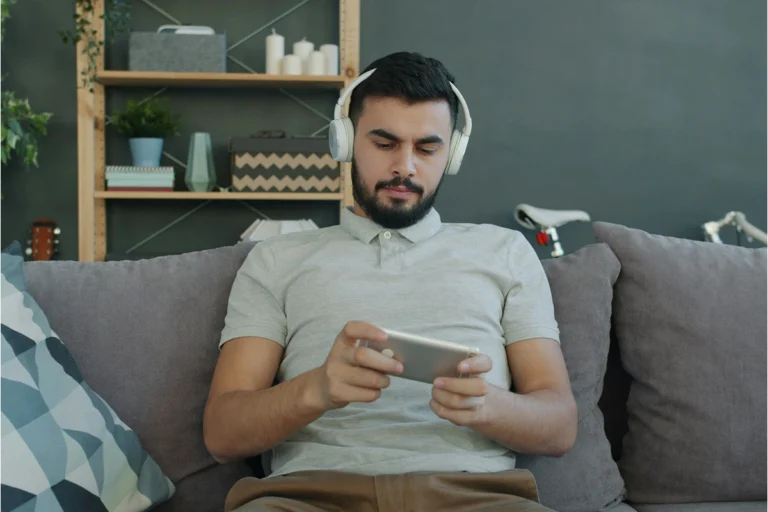
Micro stressors like battery anxiety and nonstop alerts quietly raise cortisol all day. Start a 48 hour experiment: park phone three feet away while working, stash chargers in key spots, and silence one low value app. Log mood and focus every two hours. Most users report calmer breath, faster task switching, and deeper evening relaxation within days. Stack additional tweaks weekly until stress recedes to background whisper. Celebrate gains and refine boundaries that keep tech.