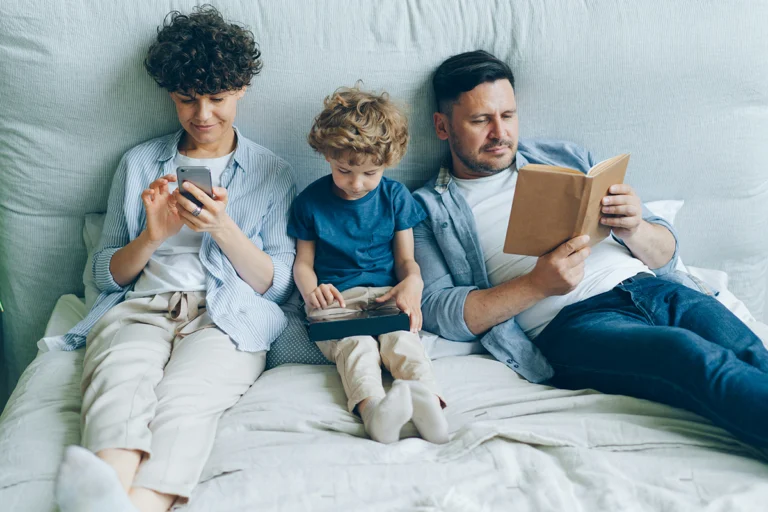
Picture a kitchen table with a deck of cards on it, or a porch with a bowl of peas to shell. Somebody’s hands were always busy there, and nobody called it a hobby.
What are grandma hobbies?
Grandma hobbies are slow, hands-on pastimes that people link with their grandmothers. Knitting and baking are the usual examples, along with card games and jigsaw puzzles. You’ll also see them called granny hobbies. They’re a kind of analog hobby: no screen, and something for your hands to do.
You don’t need yarn or lessons to start. The twelve below use what’s already in the house. They come from our list of 100 things to do instead of scrolling.
What is a good grandma hobbies list to start with?
In the kitchen
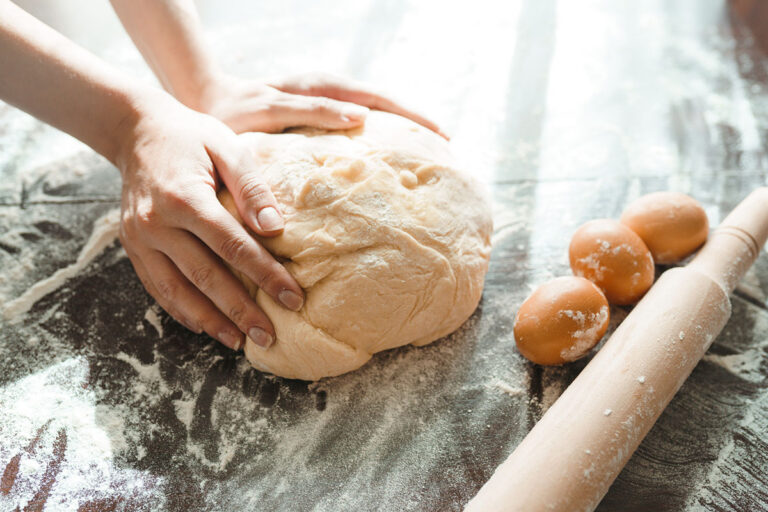
- Bake something and give half away (No. 65). Deciding who gets the other half is part of it.
- Cook using only what’s already in your pantry (No. 73). Open the cupboard and work it out.
- Make a scent (No. 76). Citrus peels and herbs in a pot of hot water. Some people call it a simmer pot.
- De-label and reuse an empty jar (No. 36). Soak it and peel it. Now you have a jar for buttons.
At the table
- Play a card game or dominoes (No. 64). One deck is enough, and it works alone too.
- Handwrite a note to someone you haven’t talked to in a while (No. 61). A few lines on a card.
- Flip through an old photo album (No. 93). If the photos are in a box, the box is fine.
- Memorize a short poem or quote (No. 90). Learn a line at a time.
Around the house
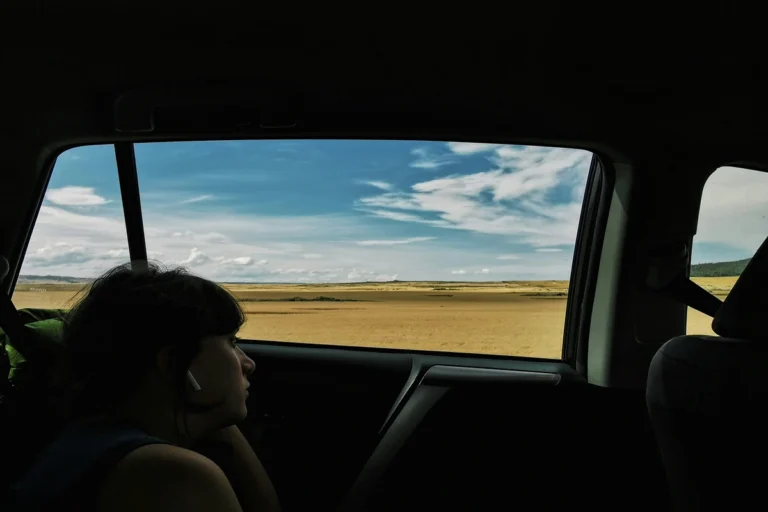
- Watch birds or clouds from a window (No. 6). A chair by the window is all the gear you need.
- Re-pot a plant (No. 48). Ten minutes and some newspaper on the floor.
- Handwash a piece of clothing (No. 35). Warm water and one job.
- Do a household task with full attention, like folding laundry slowly (No. 11).
What do grandma hobbies have that a phone doesn’t?
They keep your hands busy. Most of them also end with something finished, like a loaf of bread or a re-potted plant. You can see what the hour went to.
Do you have to knit?
No. Knitting and crochet are the famous ones, and they’re worth learning if you want to. They also need supplies and some patience at the start. Everything on the list above can be started tonight.
If you want something even slower, see low-energy hobbies. If cost is the worry, see free hobbies.
To give one of these a regular spot in your evening, see what to do instead of scrolling, and how to make it stick.
Frequently asked questions
What is the difference between grandma hobbies and analog hobbies?
Analog hobbies are any hobbies done without a screen. Grandma hobbies are the slow, homey ones inside that group, like baking or cards. There’s a wider list in analog hobbies.
What are good grandma hobbies for beginners?
Ones with no new supplies. Baking with what’s in the pantry and a game of cards both qualify.
What are cozy hobbies for a winter evening?
Turn off the overhead lights and use lamps or candles for one evening (No. 50). Then put on one album and listen to all of it (No. 79). A tea blend you make yourself fits too (No. 75).
About Offline.now
Offline.now offers free help with your phone habits. It starts with two questions. Your answers show your type and a first step small enough to take this week. Find your starting place.
The ideas here come from the book Offline.now: A Practical Guide to Healthy Digital Balance by Eli Singer. The book is on Amazon.