Doomscrolling

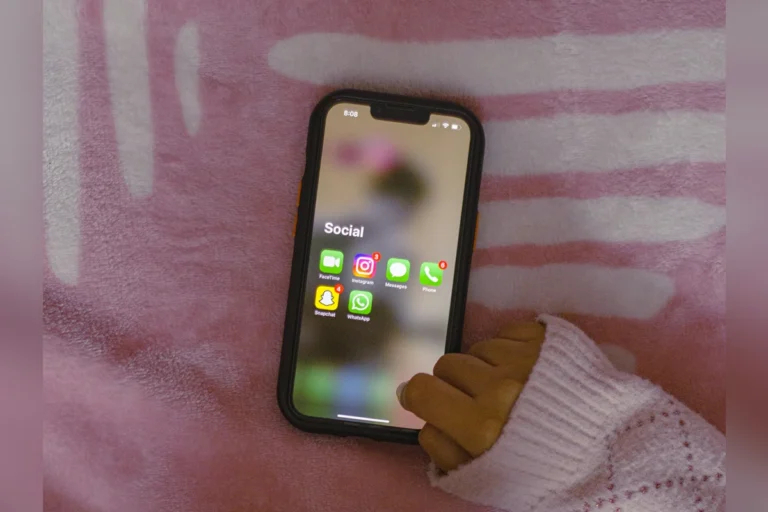
Doomscrolling is the compulsive habit of consuming endless negative news, often leading to stress and anxiety. Understand what doomscrolling is, its effects, and how to stop the cycle for improved well-being.

If “just one more scroll” keeps turning into an hour you didn’t mean to spend, this hub is your guide to understanding and interrupting the cycle. You’ll learn the difference between doomscrolling, zombie scrolling, and micro-scrolling, why short-form feeds feel so addictive, and how your social media habits shape anxiety, comparison, and FOMO. With gentle, realistic tools not guilt or extremes; you’ll discover small shifts that help you reclaim focus, calm, and control.
If your brain constantly seeks stimulation: scrolling, switching, refreshing; you’re not broken. You’re responding to how ADHD brains process dopamine and reward. This article explains why impulsivity and distraction feel uncontrollable, and how to replace mindless digital stimulation with intentional, energizing “dopamine swaps.” Learn how movement, novelty, and music can regulate focus, calm your nervous system, and help you feel grounded and productive again; without fighting your brain’s natural wiring.
Feeling drained by endless scrolling? You’re not alone. Platforms like TikTok and Reels are designed to hijack your attention, fragmenting focus and fueling digital fatigue. This post introduces a simple fix: the 15-minute media swap. Replace reactive scrolling with intentional, long-form content: a book, a podcast, a meaningful article. With mindful media choices, you can rebuild focus, reclaim calm, and shift from dopamine-driven distraction to deep, intentional attention.
Sharing a home with ADHD means navigating more than forgotten chores; it’s learning to communicate across different brain styles. In neurodiverse relationships, emotional intensity, disorganization, and overwhelm can strain even the strongest bonds. This post helps couples replace blame with curiosity, strengthen empathy, and create shared structure that supports both partners. Learn how small shifts: like asking better questions and setting clear, time-bound systems. This can turn daily chaos into connection and collaboration.
Self-trust is what transforms readiness into real change. It’s built not through intensity, but through integrity; keeping small promises to yourself until consistency becomes confidence. Each micro-win reinforces the belief, “I can rely on myself.” By creating simple, repeatable rules—like phone-free mornings or nightly tech cutoffs, you replace willpower with rhythm. Over time, these habits become second nature, turning motivation into momentum and self-trust into the foundation of lasting digital balance.
Feeling anxious about your teen’s screen time? You’re not alone. Many parents struggle with digital parenting stress and constant device tension at home. Research confirms that excessive use affects sleep, mood, and focus—but the solution starts with you. By practicing self-compassion, modeling balanced tech habits, and setting gentle family boundaries, you can shift from control to connection and bring calm back into your home—one screen-free moment at a time.
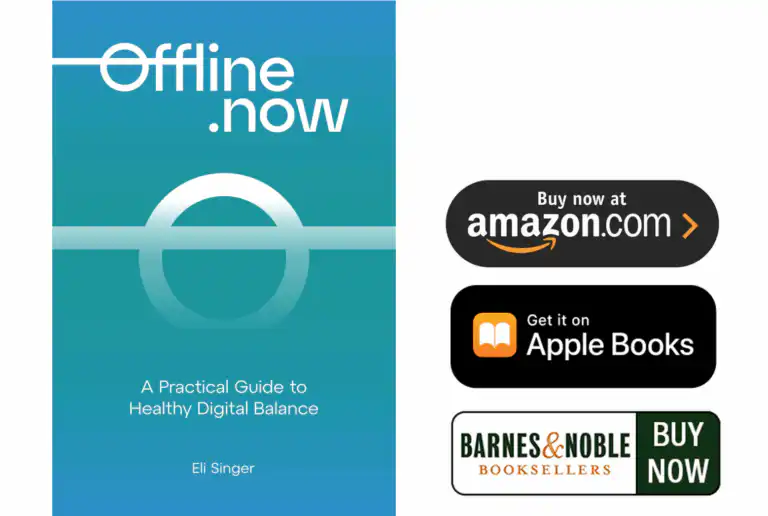
If “just a minute” on your phone turns into forty-five, Offline.now: A Practical Guide to Healthy Digital Balance is for you. Drawing from years spent shaping online communities - and a personal ADHD journey. This book introduces the Offline.now Matrix, a simple self-check to help you start small and stay balanced. With bite-sized chapters, practical steps, and zero guilt, it’s your roadmap to reclaim focus and reconnect with real life, one mindful moment at a time.
Ever feel like your brain is hijacked by endless pings and scrolls? For adults with ADHD, this isn’t a weaknessi. Constant digital distraction cycles are powered by dopamine loops that make apps feel irresistible and leave you battling focus fatigue. Every notification adds a costly task-switch, draining your mental energy. The good news: with small resets like adding friction to apps, naming triggers, and using movement, you can interrupt the loop and reclaim attention.
Every generation faces a wave of technology that sparks both excitement and fear. From television’s "zombie effect” warnings in the 1950s to today’s concerns over TikTok and infinite scroll, tech anxiety is hardly new. Yet while the platforms evolve, the core challenge remains: balancing connection with well-being. By tracing the history of media panics, we can see patterns that help us respond more wisely today: choosing mindful, sustainable digital habits rather than falling into cycles of fear or overuse.
Do constant pings, buzzes, and pop-ups keep hijacking your attention? You’re not alone. Notifications are designed to pull you in but they also fuel stress, anxiety, and distraction. This guide explores why alerts feel overwhelming, how they impact your brain, and practical ways to quiet the noise. From mastering Do Not Disturb settings to creating tech-free zones, you’ll learn simple, sustainable strategies to reduce digital overwhelm, protect your focus, and take back control of your time and peace of mind.