Instagram

Social media plays a major role in modern life, but it can impact mental health and lead to addiction. Learn how social media apps influence well-being and discover healthier, more mindful ways to engage online.

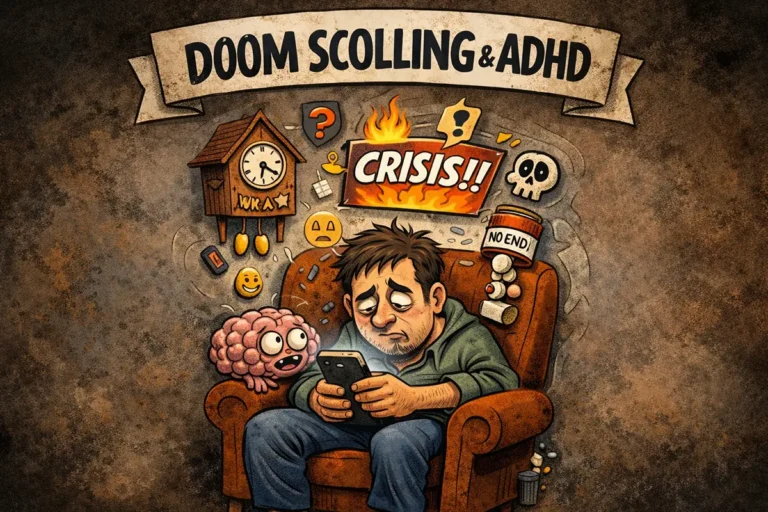
If you have ADHD, doom scrolling isn’t about laziness or poor discipline—it’s what happens when a novelty-seeking brain meets infinite scroll and threat-based content. This post breaks down why ADHD brains are especially vulnerable to doom scrolling, how anxiety can hijack attention, and why shame doesn’t work. Instead of “scroll less” advice, you’ll learn how to change the environment, add real stopping cues, and give your brain somewhere safe to land.
Are Snapchat and TikTok actually dangerous for teens? The real risk isn’t the apps themselves—it’s how they blur privacy, permanence, and performance in ways adolescent brains aren’t equipped to manage. Drawing on clinical work and lived parenting experience, this post explains how online harm often unfolds, why shame makes safety worse, and how families can use practical, non-judgmental tools to help teens protect their agency, make safer choices, and ask for help before mistakes become permanent.
When emotions run high, texting can turn small misunderstandings into full-blown arguments. Without tone, body language, or real-time feedback, our brains fill in the gaps—often with stress and assumption. This post explores why texting arguments escalate so quickly and introduces a simple Pause and Redirect framework to reduce digital conflict. Learn how creating distance, checking in with your nervous system, and moving hard conversations off-screen can protect connection and restore calm.
Screens slipped quietly into the middle of our families, meals and marriages and now it’s hard to remember what being together felt like before the scroll. This guide is your starting point for rethinking phones, parenting and partnership without going full “no screens ever” mode. You’ll explore boundaries for kids and teens, desire and dating in the app era, and simple family rituals that make real connection feel possible again, even when life feels unbearably busy.
If “just one more scroll” keeps turning into an hour you didn’t mean to spend, this hub is your guide to understanding and interrupting the cycle. You’ll learn the difference between doomscrolling, zombie scrolling, and micro-scrolling, why short-form feeds feel so addictive, and how your social media habits shape anxiety, comparison, and FOMO. With gentle, realistic tools not guilt or extremes; you’ll discover small shifts that help you reclaim focus, calm, and control.
In a world of constant distraction, true presence has become a rare skill. Mindful connection isn’t about rejecting technology; it’s about reclaiming your attention. This post explores how intentional tech habits, single-task focus, and deep listening rebuild emotional presence and relational flow. Learn simple rituals: like phone-free meals and mindful check-ins that help you slow down, listen fully, and rediscover the joy of being truly with people, not just near them.
In online dating, silence can be self-care. This post explores how ghosting and muting have evolved into new forms of digital boundaries; quiet acts of emotional self-protection in an age of constant connection. Learn how to manage communication overload, reclaim your attention, and prioritize emotional clarity without guilt. Setting limits isn’t rude: it’s mindful. Discover practical, compassionate ways to protect your peace while staying true to your digital and emotional balance.
High-achieving women with ADHD often appear organized and capable while silently battling exhaustion, emotional overwhelm, and self-doubt. Decades of underdiagnosis have left many masking symptoms through perfectionism and overwork. This article explores why ADHD presents differently in women, how emotional regulation and digital habits fuel burnout, and how compassionate coaching and “tiny wins” can rebuild self-trust. Learn small, actionable steps to move from invisible struggle to visible self-acceptance and balance.
If your emotions feel “too much,” you’re not broken, you’re human. Many adults with ADHD experience emotional intensity, overwhelm, and rejection sensitivity that make daily life exhausting. This post teaches you how to ride the feeling, not fight it, using small, science-backed steps to calm your nervous system and build self-trust. Learn the simple Notice → Pause → Choose method to replace shame with self-compassion and regain your emotional balance one gentle moment at a time.
Feeling drained by endless scrolling? You’re not alone. Platforms like TikTok and Reels are designed to hijack your attention, fragmenting focus and fueling digital fatigue. This post introduces a simple fix: the 15-minute media swap. Replace reactive scrolling with intentional, long-form content: a book, a podcast, a meaningful article. With mindful media choices, you can rebuild focus, reclaim calm, and shift from dopamine-driven distraction to deep, intentional attention.