Blog
Welcome to the Offline.now Blog - your trusted resource for navigating digital detox and reclaiming balance.
Explore daily insights into managing phone stress, reducing screen time, curbing doomscrolling, and practical digital wellness strategies. Let our science-backed tips and expert advice empower you to build a healthy relationship with technology.
The first holiday after divorce doesn’t have to feel like a loss. In fact, mine turned out sweeter, calmer, and surprisingly joyful. By letting go of old expectations and creating simple new traditions with my kids, the season became ours again: cozy, meaningful, and enough. If you’re navigating this transition, you’re not alone. With a few gentle shifts, your holidays can feel lighter and more aligned with what truly matters. Let’s make them yours.
You may already be doing digital wellness work—ADHD and TikTok, couples fighting about phones, teens gaming late, burnout from constant notifications. Offline.now helps you turn these everyday client themes into a clear, searchable specialty. Join the first directory dedicated to tech-related mental health so clients can find you for the issues they’re already struggling with. Expand your visibility, articulate your niche, and connect with people who truly need your expertise.
If your evenings keep disappearing into binge-scrolling, streaming, or “just one more episode,” these three simple shifts can help you reclaim real downtime. From using app-based limits, to setting built-in screen boundaries, to filling the digital void with hobbies that genuinely energize you, this guide offers practical changes that actually stick. With bonus tips for navigating kids’ screen habits and emotional transitions, it’s a compassionate roadmap to calmer nights—and a life that finally feels like yours again.
If you’ve tried every digital wellness strategy and still feel restless, anxious, or unable to unplug, the problem isn’t your willpower—it’s your nervous system. In this powerful guest post, resilience coach Amanda Campbell shares how her recovery from paralysis revealed a deeper truth: your body must feel safe before it can disconnect. Through her BAMBOO Method and years of coaching burned-out leaders, she explains why strategies don’t stick and how real resilience begins in the body, not the mind.
Screen-related stress is now one of the top reasons people search for therapists and coaches from doomscrolling spirals to ADHD distraction, digital burnout, online anxiety, and family screen conflict. Offline.now is the first directory built entirely around technology-related mental and emotional health, helping clients find specialists who understand their digital struggles. Join the directory to get discovered by high-intent clients looking for exactly what you do and grow your practice in the fastest-rising specialty in mental health.
I once believed my colour-coded calendar proved I had elite time-management skills until divorce, job loss, and a global shutdown handed me empty evenings I didn’t know how to fill. With no distractions left, I realized I wasn’t managing time; I was stuffing it to avoid asking harder questions. As screen time crept in to replace the chaos, I had to face what I was really chasing and what I actually wanted from my newly reclaimed hours.
Screens slipped quietly into the middle of our families, meals and marriages and now it’s hard to remember what being together felt like before the scroll. This guide is your starting point for rethinking phones, parenting and partnership without going full “no screens ever” mode. You’ll explore boundaries for kids and teens, desire and dating in the app era, and simple family rituals that make real connection feel possible again, even when life feels unbearably busy.
Managing screen time with ADHD can feel overwhelming from distraction spirals to hyperfocus loops to the constant pull of notifications. You don’t have to figure it out alone. Offline.now connects you with specialists who understand how ADHD brains interact with digital life. Explore experts in ADHD digital management, hyperfocus support, and executive functioning skills. Many offer free intro chats so you can find the right fit and start building healthier, more sustainable digital habits.
ADHD and your phone aren’t enemies, they’re just playing by rules nobody explained to you. This guide unpacks how dopamine, time blindness and digital overwhelm collide with your apps, and why willpower alone never works for long. You’ll get ADHD-friendly ways to study, work, scroll and rest, plus tiny experiments to rebuild focus and self-trust without pretending you’ll suddenly stop using TikTok, Instagram or YouTube, even if past systems failed and every notification still feels strangely urgent.
In a world of nonstop pings and endless feeds, it’s easy to feel overstimulated yet profoundly alone. Digital loneliness is the hidden cost of hyperconnectivity; constant online engagement that erodes real emotional connection. This article explores why being “always on” fuels stress, anxiety, and emotional fatigue, and how small, mindful “presence breaks” can help you unplug with purpose, rebuild focus, and rediscover the comfort of genuine, human connection.
Feeling relationship stress because of phones or screen time? You’re not alone and you don’t have to figure it out by yourself. At Offline.now, you can book a free intro chat with experts who understand modern relationship challenges, from device boundaries to phubbing to digital disconnect. Explore specialists in relationship stress, online dating, and family dynamics, and connect with someone who can help you rebuild clarity, communication, and real connection.
If you’ve ever opened your phone to “check one thing” and resurfaced an hour later wondering what just happened, you’re not alone. Digital Balance 101 is your gentle, practical guide to creating a healthier relationship with your screens. Learn how to identify your current habits, understand why your phone feels so sticky, and explore small, realistic steps that help you feel calmer, more present, and back in control of your attention.
Power struggles over tablets drain family peace; a written tech pact turns tension into teamwork. Gather everyone, list shared values like sleep, homework, and laughter, then co-create clear rules on apps, timing, and bedroom screens. Sign, post on fridge, and check wins every Friday, adjusting one clause together. Add a charging basket at dinner, 25-5 homework timers, and praise streaks instead of scolding slips. Kid-approved boundaries build lifelong digital balance and lighter evenings for everyone.

Digital burnout prevention strategies give executives a moat against overload. Begin with a VIP email filter, two review windows, and stop letting the inbox double as a list. Slash meeting overload by defaulting to fifteen minute stand ups and asking “async?” before invites. Protect two daily 90 minute focus blocks behind do not disturb, then anchor recovery habits like 20 squats or 90 second box breathing. Weekly digital diet audits refine boundaries before stress snowballs.
ADHD amplifies digital noise. Bright screens, pings, and infinite feeds bombard sensory circuits, fragmenting focus and draining energy. This post offers five wins: dim and warm displays, corral key apps on one calm home screen, schedule one breathing reset, deploy two minute movement breaks at trigger hours, and carve device free zones in bedroom and dining room. Accessibility tools like Focus mode and speech to text let the phone adapt to you, not vice versa.
Instagram Stories addiction trades quick laughs for stolen hours. Variable rewards, FOMO, and looming expiry keep thumbs tapping. Beat micro-scrolling with three guardrails: batch two 10-minute viewing windows, set app timers that auto-lock Stories afterward, and touch a physical “anchor” object before every impulse swipe. Add purposeful follows and hide streak counts to ease guilt. Intentional viewing restores focus, sleep, and creativity. Start by scheduling tomorrow’s scroll blocks and breathe before tapping.
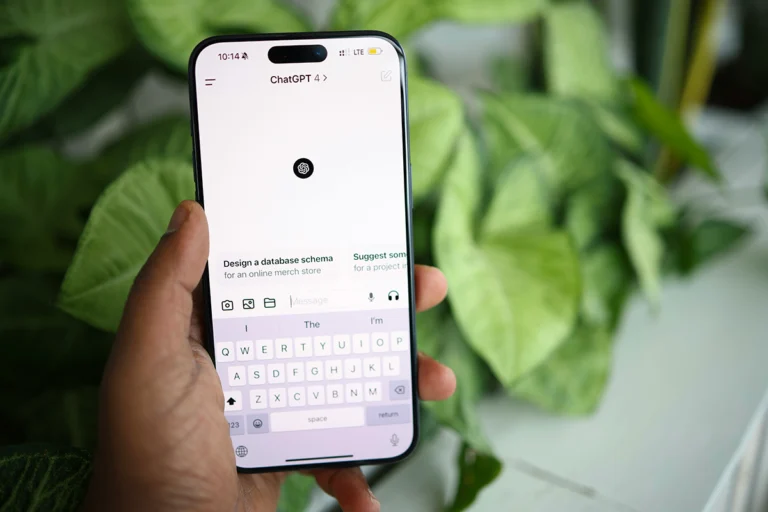
Rapid AI upgrades excite yet exhaust. Constant feature drops spark FOMO, black box worry, and pressure to automate everything. This article delivers quick ChatGPT anxiety solutions: time box usage into two daily blocks, keep an AI wish list to curb rabbit holes, pause and breathe before sending prompts, lock apps after 8pm, and remember you can leverage AI on your terms. Structured windows turn ChatGPT from stressor into tool, preserving sleep, motivation, and clarity daily.
Device free family time starts with a shared tech pact. Instead of nagging, gather everyone to list screen joys and pains, agree on dinner table and bedroom phone bans, and pick one screen free evening each week. Create a central charging station, swap scrolling for quick games or cooking together, and review the pact monthly to tweak rules. Families who protect conversation windows report richer connection, calmer bedtimes, and kids who learn lifelong digital balance.