Blog

Welcome to the Offline.now Blog - your trusted resource for navigating digital detox and reclaiming balance.

Explore daily insights into managing phone stress, reducing screen time, curbing doomscrolling, and practical digital wellness strategies. Let our science-backed tips and expert advice empower you to build a healthy relationship with technology.
Social media can connect, educate, and even support well-being, but only if you use it with intention. Without limits, the very tools that bring us closer can also fuel anxiety, overload, and self-doubt. The positive effects of social media are real, but they vanish when scrolling becomes compulsive. This guide shows you how to practice mindful digital use, curating your feed, setting boundaries, and staying self-aware so you can keep the benefits without slipping into the risks.

Every generation faces a wave of technology that sparks both excitement and fear. From television’s "zombie effect” warnings in the 1950s to today’s concerns over TikTok and infinite scroll, tech anxiety is hardly new. Yet while the platforms evolve, the core challenge remains: balancing connection with well-being. By tracing the history of media panics, we can see patterns that help us respond more wisely today: choosing mindful, sustainable digital habits rather than falling into cycles of fear or overuse.
Struggling to stay focused during study sessions? You’re not alone, distractions are everywhere, but the right sounds may help. Science shows that focus playlists, brown noise study music, and Pomodoro tracks can create a steady environment that sharpens concentration and prevents burnout. But not all audio works: podcasts, for example, often overload the brain. Learn how to test which sound strategy works best for you, and build a personalized audio routine that truly supports your productivity.
Digital wellness tools from screen-time apps to hybrid coaching platforms are reshaping how we manage focus, sleep, and mental health. While early evidence shows promise, questions remain about long-term impact, equity, and privacy. This review highlights what works, where risks lie, and why hybrid approaches offer the most balanced path forward. With clear research gaps and urgent policy needs, the future of healthy tech boundaries depends on evidence-driven action across academia, industry, and regulation.
Your online presence is part of your resume. Recruiters and employers often Google candidates before making decisions, and what they find can shape your opportunities. A digital footprint audit helps you clean up outdated content, secure old accounts, and showcase a professional image. This guide walks you through practical steps to search yourself, manage social media, and boost your online reputation, so your digital presence supports your career growth instead of holding you back.
Parenting today means navigating a world of instant communication, artificial intelligence, and constant fear. While overprotection aims to keep children safe, it often undermines resilience and independence. Setbacks, risks, and unstructured play are essential for growth, yet many kids miss these opportunities. From summer camps to screen-free family dinners, intentional choices help children build confidence, social skills, and emotional strength preparing them for life’s challenges while preserving the closeness modern families value.
Desire doesn’t vanish in long-term relationships, it shifts. After the honeymoon phase, brain chemistry changes, daily stress builds, and screen time steals intimacy. Many couples mistake fading passion as a sign something is “wrong,” but that’s not true. Desire often needs nurturing. By understanding responsive vs. spontaneous desire, reducing digital distractions, and focusing on connection over performance, couples can reignite closeness. Passion isn’t lost forever; it can be rebuilt with curiosity, consent, and intentional time together.
Does your inbox feel like it’s overflowing with unwanted newsletters and endless promotions? A cluttered inbox doesn’t just waste time, it drains focus and adds to mental stress. In this guide, you’ll learn a simple 15-minute unsubscribe sprint to quickly clear out digital noise and move closer to inbox zero. With step-by-step instructions and ongoing maintenance tips, this routine helps ambitious professionals reclaim control, boost productivity, and create lasting clarity.
Time blindness is a common yet often misunderstood challenge for individuals with ADHD. It goes beyond poor time management: impacting focus, planning, and emotional regulation. The ADHD brain naturally gravitates toward immediate stimulation, making delayed rewards difficult to conceptualize. Research highlights that effective support requires a multifaceted approach, blending cognitive, behavioral, psychological, and environmental strategies. By reframing time perception and building layered systems, individuals with ADHD can better manage productivity and daily routines.
Is your calendar running your life instead of helping you manage it? In today’s always-on work culture, nonstop meetings and notifications can fuel stress, disrupt sleep, and drain focus. This guide unpacks the hidden cost of calendar anxiety and offers a simple solution: white-space planning. By intentionally leaving room to pause, reflect, and recharge, you can prevent burnout, sharpen your focus, and reclaim control of your time, one small block at a time.
Do constant pings, buzzes, and pop-ups keep hijacking your attention? You’re not alone. Notifications are designed to pull you in but they also fuel stress, anxiety, and distraction. This guide explores why alerts feel overwhelming, how they impact your brain, and practical ways to quiet the noise. From mastering Do Not Disturb settings to creating tech-free zones, you’ll learn simple, sustainable strategies to reduce digital overwhelm, protect your focus, and take back control of your time and peace of mind.
Dating apps promise connection, but for many, they deliver stress, pressure, and emotional exhaustion. If you’ve ever felt drained after endless swiping, ghosting, or questioning your self-worth, you may be experiencing dating app burnout—a form of digital fatigue millions share. The good news? You’re not broken. This guide explores the hidden signs of dating app overwhelm, the psychology behind it, and practical steps for a digital dating detox to help you reconnect with yourself.
After recovering from paralysis, Amanda Campbell noticed a pattern among burned-out leaders: they’d tried every strategy, yet their bodies still wouldn’t let them rest. This post explains why burnout isn’t a mindset problem, but a somatic one—and how the THRIVE program was designed to rebuild resilience by addressing the nervous system, stored stress, and the physical realities of digital overload, not just productivity habits.
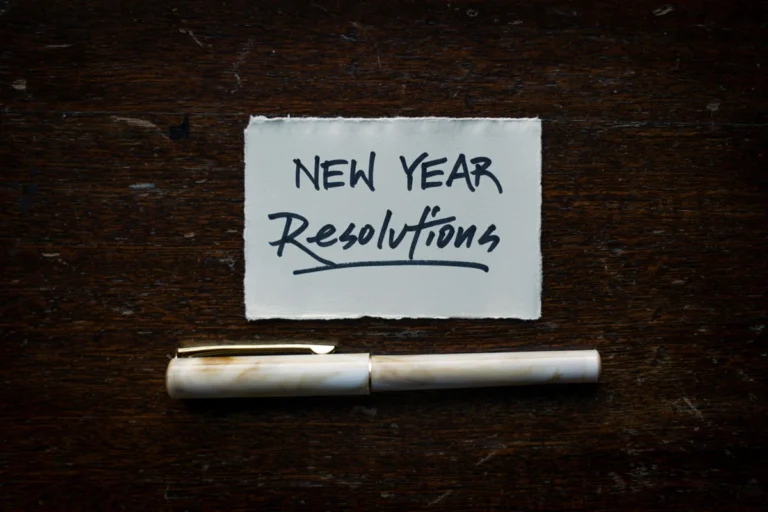
Most New Year resolutions fail because they rely on motivation instead of systems. If you’re tired of the all-or-nothing cycle, there’s a better way. Tiny “If-Then” rules—like plugging in your phone across the room or delaying checks until a set time—turn vague intentions into automatic habits. These micro-steps build confidence, reduce overwhelm, and help you create realistic New Year resolutions that actually last. Change happens when your rules get smaller, not when your goals get bigger.
January planning can feel especially heavy if you have ADHD—big goals spark a burst of motivation, then quickly collapse into overwhelm and shame. This post reframes New Year planning through an ADHD-friendly lens, explaining why traditional resolutions fail and how tiny starts, visual rules, and time anchoring create momentum without pressure. Instead of chasing a “new you,” you’ll learn how to design systems that support your brain, reduce friction, and make progress feel possible again.
Many high performers implement digital boundaries perfectly, yet still feel anxious, restless, and unable to truly disconnect. This post explains why behavior change alone can feel like a constant battle, and how chronic nervous system activation drives compulsive phone use. Through a real client story, it shows how somatic work and the BAMBOO Method help the body feel safe offline, making digital wellness strategies sustainable rather than exhausting.
Winter can leave ADHD brains feeling “tired but wired”—exhausted, restless, and pulled toward constant stimulation. This post explains why shorter days, less movement, and more screen exposure intensify ADHD restlessness, and why it’s a nervous system response, not a discipline issue. With simple, regulating swaps like micro-movement, sensory anchors, and gentler evening light, you’ll learn how to clear the winter fog without spiraling into digital overload or self-blame.
Digital burnout isn’t just mental, it lives in the body. Drawing on kinesiology, this post reveals the physical and nervous system patterns behind compulsive screen use, from chronic fight-or-flight to energy depletion. It explains why willpower-based tech boundaries often fail and introduces the BAMBOO Method, a somatic approach to building flexible, sustainable resilience especially for neurodivergent, high-performing leaders navigating constant digital demand.