Blog
Welcome to the Offline.now Blog - your trusted resource for navigating digital detox and reclaiming balance.
Explore daily insights into managing phone stress, reducing screen time, curbing doomscrolling, and practical digital wellness strategies. Let our science-backed tips and expert advice empower you to build a healthy relationship with technology.
Desktop chaos silently taxes focus. Random installers, screenshots, and mystery docs spike cortisol and decision fatigue. In thirty minutes you’ll sweep every icon into a temp folder, delete duplicates, archive receipts, and sort keepers into five broad folders. A weekly five minute sweep plus download discipline keeps clutter from rebounding. Treat each drag to Trash as mindful practice - one file, one decision, one breath. Minimal screen equals maximal mental bandwidth, boosting productivity and calm.
Cluttered inboxes steal focus and fuel email anxiety. This quick guide turns your cluttered inbox into a calm task list in just fifteen minutes a day. You will build smart filters to divert newsletters, batch processing into two scheduled windows, and apply the two minute rule to act, defer, or delete before messages snowball. With pings silenced and routines set, workers reclaim five hours a week, lower stress, and protect deep work after hours.
Gaming addiction can sneak up fast when ADHD meets endless dopamine loops. This post explains why hyperfocus, impulsivity, and stress escape make controllers hard to drop, then guides you through a five-step recovery: track triggers, set play-windows, create tech-free zones, swap games for exercise, add mindful pauses, and recruit accountability. Learn the red flags, know when to call professionals, and reclaim balance without quitting play forever. Start mapping your patterns tonight.
Delete that addictive app and reclaim your time. Variable reward loops keep thumbs launching it before you notice. This five step plan starts with clarifying your why, exporting needed data, and logging out everywhere. Next, delete the app, lock re-downloads behind a passcode, and schedule offline replacements like walks or quick calls to friends. Finally, track urges and celebrate streaks. Extra friction plus compelling alternatives breaks the habit loop so focus, sleep, and mood rebound.
Infinite feeds spike dopamine, so ADHD brains slip into scroll trances quickly. Log one week of triggers, noting app, emotion, and time. Next install app timers, mute non-urgent pings, and schedule two free focus blocks daily. Curate accounts and replace impulse swipes with sixty second pause or water break. End each day reviewing mood versus minutes to spot progress. Consistent tweaks reclaim attention, lift sleep quality, and prove social apps can serve you, not siphon energy.
Digital balance for college students is a survival skill. Buzzing phones split attention, hurt grades, and heighten anxiety. This guide delivers seven wins: audit screen time, declare tech free zones like library desks, batch notifications, run one screen study sessions, follow the 20-20-20 eye rule, try weekly social media fasts, and practice digital mindfulness before unlocking. Start with one tactic, track mood for a week, then layer another. Small, consistent tweaks beat heroic detox marathons.

Late night screen time sabotages sleep by flooding eyes with blue light and brain with cliffhanger drama. Create a one-hour digital sunset: set an alarm to power down devices, enable night-shift filters if work is unavoidable, and charge phones outside the bedroom. Swap the final scroll for deep breathing, light stretches, or paperback pages. Even one evening trial can shorten sleep latency and lift morning mood. Try your first digital sunset tonight.
Constant pings flood reward circuits, but real change starts with a clear why. Audit unlocks for one day, highlight the three apps that steal most energy, and label every pickup mood. Then craft device free zones, replace boredom swipes with five minute movement hits, and text a partner nightly screen score for accountability. Slip ups are data, not defeat; review Fridays and adjust. Consistent boundaries compound into focus, calmer sleep, and technology that serves you.
Finding digital wellness begins with acknowledging that tech is a tool, not a tyrant. Offline Now gathers neuroscience backed tactics that tame endless reels, midnight doomscrolls, and always on work pings. Explore guides on phone breakups, family tech pacts, blue light sleep fixes, and digital pomodoro focus bursts, then choose one tiny step tonight-like silencing notifications at dinner. Small, intentional habits cascade into calmer minds, deeper relationships, and productivity that feels good instead of frantic.
Our Digital Balance Hub is a living library that matches your Offline.now Matrix quadrant to bite size, science backed actions. Navigate quick-start cards, micro lesson videos, and chatbot coaching without hunting menus. Toggle filters for five minute, fifteen minute, or weekend challenges and bookmark progress dashboards. Monthly updates drop fresh tactics, while community forums swap wins and troubleshoot stalls. Set one alert, open today, pick a tiny move, and feel digital wellness compound all week.
Inside this evidence based field guide you’ll map your Pivot Matrix quadrant and unlock tailored micro steps. Short quizzes surface habits, then pages send Overwhelmed, Ready, Stuck, or Unconcerned readers straight to right sized tactics. Expect two minute wins like phone baskets, blue light sunsets, and detox weekends, plus reflection prompts to track momentum. Progress logs and QR links to our hub keep learning. Grab the book, test one tactic tonight, and feel bandwidth grow.
Micro learning proves tiny steps beat heroic detox weekends. Each small win delivers a dopamine drip that wires lasting habits. Start by silencing one non-essential app, placing your phone face-down for two minutes each hour, or moving Instagram one folder deeper. Stack the new action onto an existing cue, track streaks on paper, and celebrate out loud. Consistency, not intensity, transforms identity: you become someone who manages tech with ease every single day.
Smartphones leverage unpredictable rewards to glue us to glowing screens. This post shows how to break the habit loop through five science backed moves: track every unlock and emotion for one day, mute super stimulus notifications, breathe for sixty seconds before taps, park the phone in another room for morning detox windows, and swap digital hits for walks or friend texts. Each tiny experiment weakens cue craving response and proves real world rewards feel better.
Power struggles over tablets drain family peace; a written tech pact turns tension into teamwork. Gather everyone, list shared values like sleep, homework, and laughter, then co-create clear rules on apps, timing, and bedroom screens. Sign, post on fridge, and check wins every Friday, adjusting one clause together. Add a charging basket at dinner, 25-5 homework timers, and praise streaks instead of scolding slips. Kid-approved boundaries build lifelong digital balance and lighter evenings for everyone.
Digital burnout prevention strategies give executives a moat against overload. Begin with a VIP email filter, two review windows, and stop letting the inbox double as a list. Slash meeting overload by defaulting to fifteen minute stand ups and asking “async?” before invites. Protect two daily 90 minute focus blocks behind do not disturb, then anchor recovery habits like 20 squats or 90 second box breathing. Weekly digital diet audits refine boundaries before stress snowballs.
ADHD amplifies digital noise. Bright screens, pings, and infinite feeds bombard sensory circuits, fragmenting focus and draining energy. This post offers five wins: dim and warm displays, corral key apps on one calm home screen, schedule one breathing reset, deploy two minute movement breaks at trigger hours, and carve device free zones in bedroom and dining room. Accessibility tools like Focus mode and speech to text let the phone adapt to you, not vice versa.
Instagram Stories addiction trades quick laughs for stolen hours. Variable rewards, FOMO, and looming expiry keep thumbs tapping. Beat micro-scrolling with three guardrails: batch two 10-minute viewing windows, set app timers that auto-lock Stories afterward, and touch a physical “anchor” object before every impulse swipe. Add purposeful follows and hide streak counts to ease guilt. Intentional viewing restores focus, sleep, and creativity. Start by scheduling tomorrow’s scroll blocks and breathe before tapping.
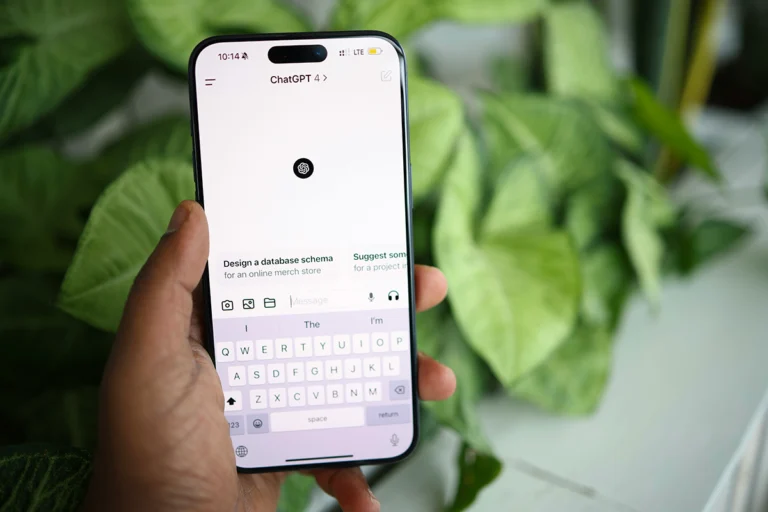
Rapid AI upgrades excite yet exhaust. Constant feature drops spark FOMO, black box worry, and pressure to automate everything. This article delivers quick ChatGPT anxiety solutions: time box usage into two daily blocks, keep an AI wish list to curb rabbit holes, pause and breathe before sending prompts, lock apps after 8pm, and remember you can leverage AI on your terms. Structured windows turn ChatGPT from stressor into tool, preserving sleep, motivation, and clarity daily.