Blog

Welcome to the Offline.now Blog - your trusted resource for navigating digital detox and reclaiming balance.

Explore daily insights into managing phone stress, reducing screen time, curbing doomscrolling, and practical digital wellness strategies. Let our science-backed tips and expert advice empower you to build a healthy relationship with technology.
In a world where every scroll feels like a performance review, it’s easy to confuse self-worth with digital validation. Comparison fatigue creeps in as polished feeds and curated lives whisper, “You’re not enough.” But confidence isn’t built on likes, it’s reclaimed through presence. By setting small digital boundaries, reconnecting with authentic offline moments, and redefining success beyond screens, you can quiet the noise and rediscover the steady confidence that was always yours.
If your weekends feel more like overtime than rest, it’s time to set boundaries. The “always-on” culture fuels exhaustion and burnout, but digital rest can help you recover. By setting clear weekend boundaries—like a tech-free bedroom, a phone-free meal, or a planned unplug block—you reclaim focus and energy. These small, intentional rituals protect your attention, reduce stress, and remind you that rest isn’t a reward—it’s a reset for the week ahead.
Tired of chaotic mornings and restless nights? A simple change: moving your phone out of the bedroom can transform your family’s energy and focus. Research shows that blue light and late-night scrolling disrupt sleep and self-control. Creating phone-free mornings builds healthier bedtime boundaries, reduces digital clutter, and helps families reconnect. This small environmental upgrade brings calm, clarity, and presence back to your mornings - no drastic detox required, just a bedside reset that actually works.
We’re public. The Offline.now Digital Wellness Directory is live - and open to listings. No commission. You own the client relationship. SEO-optimized profiles with deep specialties and filters. Therapists, coaches, social workers, addiction specialists, and counsellors: get discovered for what you actually do - ADHD + screens, doomscrolling, family tech conflict, online dating burnout, notification anxiety. Start a 60-day free trial, then $25/mo or $200/yr. Create your profile in minutes; we verify and publish quickly. Join today. Get listed.
Feeling wiped out after endless Zoom calls? You’re not alone. Zoom fatigue is a unique kind of digital exhaustion caused by constant visibility and cognitive overload. The pressure to stay camera-ready blurs work–life boundaries and drains focus. The good news: simple boundaries can help. Learn how camera-optional meetings, focus blocks, and asynchronous tools reduce video call stress, rebuild attention, and make remote work feel human again—without sacrificing connection.
If “just a minute” on your phone turns into forty-five, Offline.now: A Practical Guide to Healthy Digital Balance is for you. Drawing from years spent shaping online communities - and a personal ADHD journey. This book introduces the Offline.now Matrix, a simple self-check to help you start small and stay balanced. With bite-sized chapters, practical steps, and zero guilt, it’s your roadmap to reclaim focus and reconnect with real life, one mindful moment at a time.
Ever feel like your brain is hijacked by endless pings and scrolls? For adults with ADHD, this isn’t a weaknessi. Constant digital distraction cycles are powered by dopamine loops that make apps feel irresistible and leave you battling focus fatigue. Every notification adds a costly task-switch, draining your mental energy. The good news: with small resets like adding friction to apps, naming triggers, and using movement, you can interrupt the loop and reclaim attention.
Sunday evenings can feel like the week is already slipping away: emails, worries, and unfinished tasks crowding in. A Sunday reset changes that. By setting one intentional boundary; whether it’s a no-email rule after 6 p.m. or a screen-free ritual. You reclaim your evening and protect your energy for the week ahead. This simple planning ritual creates calm, prevents anxiety, and helps you start Monday with focus, balance, and the confidence that you’re in control.
Motivation can spark change, but without confidence it quickly fizzles. This is the confidence gap: the space between wanting to change and believing you can. Research shows that lasting behavior shift isn’t about sheer willpower; it’s about stacking tiny wins. Each small success builds proof you’re capable, turning fragile motivation into lasting momentum. By lowering the bar, adding positive habits, and chunking goals, you create evidence of progress and confidence grows with every step.
When you feel stuck, even small changes can seem impossible. That’s why the first step isn’t cutting back it’s simply noticing. By paying attention to tiny screen-free moments, you break autopilot and create small but powerful “wins.” This gentle practice of mindful noticing proves you can take control without pressure or guilt. Over time, these micro-moments build confidence, ease self-doubt, and become your personal digital reset button a way back to focus, meaning, and calm.
Feeling crushed by constant pings and pop-ups? You’re not alone, notification stress is one of the biggest drivers of tech overwhelm. But relief is built right into your phone: Do Not Disturb (DND). Instead of a restriction, think of DND as your anxiety first aid kit; a quick, low-effort way to reclaim focus and calm. With small micro-experiments and simple “if-then” routines, you can build confidence, reduce overload, and feel more in control instantly.
Multitasking feels like a productivity badge, but science shows it’s an illusion. Every time you switch tasks, your brain pays a hidden task switching cost, draining energy and creating focus fatigue. Instead of boosting efficiency, juggling emails, chats, and projects leaves you scattered and stressed. The solution is intentional single-tasking, or “monotasking.” By setting micro-boundaries, auditing notifications, and celebrating small wins, you’ll reclaim attention, reduce burnout, and align your work with what matters most.
Digital burnout prevention strategies give executives a moat against overload. Begin with a VIP email filter, two review windows, and stop letting the inbox double as a list. Slash meeting overload by defaulting to fifteen minute stand ups and asking “async?” before invites. Protect two daily 90 minute focus blocks behind do not disturb, then anchor recovery habits like 20 squats or 90 second box breathing. Weekly digital diet audits refine boundaries before stress snowballs.
ADHD amplifies digital noise. Bright screens, pings, and infinite feeds bombard sensory circuits, fragmenting focus and draining energy. This post offers five wins: dim and warm displays, corral key apps on one calm home screen, schedule one breathing reset, deploy two minute movement breaks at trigger hours, and carve device free zones in bedroom and dining room. Accessibility tools like Focus mode and speech to text let the phone adapt to you, not vice versa.
Instagram Stories addiction trades quick laughs for stolen hours. Variable rewards, FOMO, and looming expiry keep thumbs tapping. Beat micro-scrolling with three guardrails: batch two 10-minute viewing windows, set app timers that auto-lock Stories afterward, and touch a physical “anchor” object before every impulse swipe. Add purposeful follows and hide streak counts to ease guilt. Intentional viewing restores focus, sleep, and creativity. Start by scheduling tomorrow’s scroll blocks and breathe before tapping.
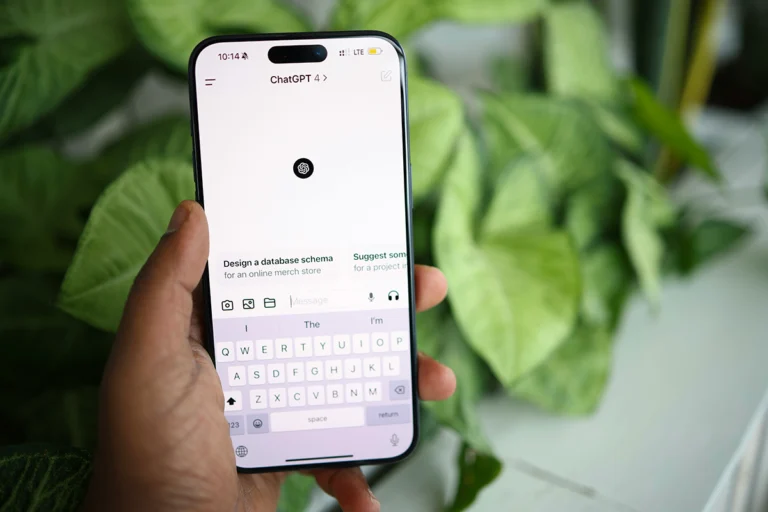
Rapid AI upgrades excite yet exhaust. Constant feature drops spark FOMO, black box worry, and pressure to automate everything. This article delivers quick ChatGPT anxiety solutions: time box usage into two daily blocks, keep an AI wish list to curb rabbit holes, pause and breathe before sending prompts, lock apps after 8pm, and remember you can leverage AI on your terms. Structured windows turn ChatGPT from stressor into tool, preserving sleep, motivation, and clarity daily.
Device free family time starts with a shared tech pact. Instead of nagging, gather everyone to list screen joys and pains, agree on dinner table and bedroom phone bans, and pick one screen free evening each week. Create a central charging station, swap scrolling for quick games or cooking together, and review the pact monthly to tweak rules. Families who protect conversation windows report richer connection, calmer bedtimes, and kids who learn lifelong digital balance.
Endless swiping can feel like a second job, draining self-esteem and hiding real connection. Pause all matching apps for a week to calm dopamine cravings, then rebuild offline confidence through hobby meet-ups, micro-volunteering, and friend introductions. When you reinstall, limit checks to two 15-minute windows, message only shared-interest matches, and suggest an in-person coffee within three exchanges. Intentional rules transform dating apps into tools instead of energy sinks, restoring mood and hope.