Blog

Welcome to the Offline.now Blog - your trusted resource for navigating digital detox and reclaiming balance.

Explore daily insights into managing phone stress, reducing screen time, curbing doomscrolling, and practical digital wellness strategies. Let our science-backed tips and expert advice empower you to build a healthy relationship with technology.
Struggling to stay focused during study sessions? You’re not alone, distractions are everywhere, but the right sounds may help. Science shows that focus playlists, brown noise study music, and Pomodoro tracks can create a steady environment that sharpens concentration and prevents burnout. But not all audio works: podcasts, for example, often overload the brain. Learn how to test which sound strategy works best for you, and build a personalized audio routine that truly supports your productivity.
Digital wellness tools from screen-time apps to hybrid coaching platforms are reshaping how we manage focus, sleep, and mental health. While early evidence shows promise, questions remain about long-term impact, equity, and privacy. This review highlights what works, where risks lie, and why hybrid approaches offer the most balanced path forward. With clear research gaps and urgent policy needs, the future of healthy tech boundaries depends on evidence-driven action across academia, industry, and regulation.
Your online presence is part of your resume. Recruiters and employers often Google candidates before making decisions, and what they find can shape your opportunities. A digital footprint audit helps you clean up outdated content, secure old accounts, and showcase a professional image. This guide walks you through practical steps to search yourself, manage social media, and boost your online reputation, so your digital presence supports your career growth instead of holding you back.
Parenting today means navigating a world of instant communication, artificial intelligence, and constant fear. While overprotection aims to keep children safe, it often undermines resilience and independence. Setbacks, risks, and unstructured play are essential for growth, yet many kids miss these opportunities. From summer camps to screen-free family dinners, intentional choices help children build confidence, social skills, and emotional strength preparing them for life’s challenges while preserving the closeness modern families value.
Desire doesn’t vanish in long-term relationships, it shifts. After the honeymoon phase, brain chemistry changes, daily stress builds, and screen time steals intimacy. Many couples mistake fading passion as a sign something is “wrong,” but that’s not true. Desire often needs nurturing. By understanding responsive vs. spontaneous desire, reducing digital distractions, and focusing on connection over performance, couples can reignite closeness. Passion isn’t lost forever; it can be rebuilt with curiosity, consent, and intentional time together.
Does your inbox feel like it’s overflowing with unwanted newsletters and endless promotions? A cluttered inbox doesn’t just waste time, it drains focus and adds to mental stress. In this guide, you’ll learn a simple 15-minute unsubscribe sprint to quickly clear out digital noise and move closer to inbox zero. With step-by-step instructions and ongoing maintenance tips, this routine helps ambitious professionals reclaim control, boost productivity, and create lasting clarity.
Time blindness is a common yet often misunderstood challenge for individuals with ADHD. It goes beyond poor time management: impacting focus, planning, and emotional regulation. The ADHD brain naturally gravitates toward immediate stimulation, making delayed rewards difficult to conceptualize. Research highlights that effective support requires a multifaceted approach, blending cognitive, behavioral, psychological, and environmental strategies. By reframing time perception and building layered systems, individuals with ADHD can better manage productivity and daily routines.
Is your calendar running your life instead of helping you manage it? In today’s always-on work culture, nonstop meetings and notifications can fuel stress, disrupt sleep, and drain focus. This guide unpacks the hidden cost of calendar anxiety and offers a simple solution: white-space planning. By intentionally leaving room to pause, reflect, and recharge, you can prevent burnout, sharpen your focus, and reclaim control of your time, one small block at a time.
Dating apps promise connection, but for many, they deliver stress, pressure, and emotional exhaustion. If you’ve ever felt drained after endless swiping, ghosting, or questioning your self-worth, you may be experiencing dating app burnout—a form of digital fatigue millions share. The good news? You’re not broken. This guide explores the hidden signs of dating app overwhelm, the psychology behind it, and practical steps for a digital dating detox to help you reconnect with yourself.
The Offline.now Matrix is your map to digital balance a 2×2 tool that helps you identify where you are on the spectrum of motivation and confidence. Whether you’re Overwhelmed, Ready, Stuck, or Unconcerned, you’ll find micro-strategies tailored to your starting point. In just two quiz questions, you can pinpoint your quadrant and take intentional, practical steps toward feeling more in control of your time, attention, and energy without ditching your devices.
The Offline.now Matrix may look simple, but it’s built on decades of research in self-efficacy, stages of change, and positive psychology. By mapping motivation and confidence, it meets you where you are without judgment and pairs you with science-backed micro-strategies for lasting change. From BJ Fogg’s tiny habits to emerging screen time studies, this framework turns proven theory into practical steps for digital balance. Start small, stay consistent, and discover your quadrant with our quick quiz.
Boredom isn’t wasted time, it’s your creativity engine. When you stop filling every lull with screens, the brain shifts into default mode daydreaming, where ideas collide and insights surface. This post reframes boredom as a healthy pause, unpacks the science of mind-wandering and creative incubation, and offers five micro-detox tactics from scheduled no-scroll moments to analog hobbies. Use your journal and turn idle minutes into spark sessions that revive focus and imagination every single day again.
LinkedIn anxiety sparks career FOMO every time a promotion post pops up. This toolkit swaps comparison for clarity in five steps: schedule two 15-minute LinkedIn blocks, mute trigger accounts, log three weekly wins to anchor self-worth, send one intentional outreach note, and unplug for a LinkedIn-free weekend each month. These habits cut distraction, protect sleep, and sustain meaningful networking. Add Friday progress logs and watch stress drop while real opportunities rise.
Instagram Reels flood your brain with endless novelty, fast swipes, and algorithmic rewards, making focus vanish. If you lose time, feel jittery without the app, or scroll during tasks, you’re edging toward compulsive use. This guide breaks the loop with a four step plan: log every scroll trigger, silence push alerts, set daily caps, and run weekend uninstalls. Mindful viewing plus dopamine detox swaps Reels for real life rewards so attention, sleep, and mood rebound.
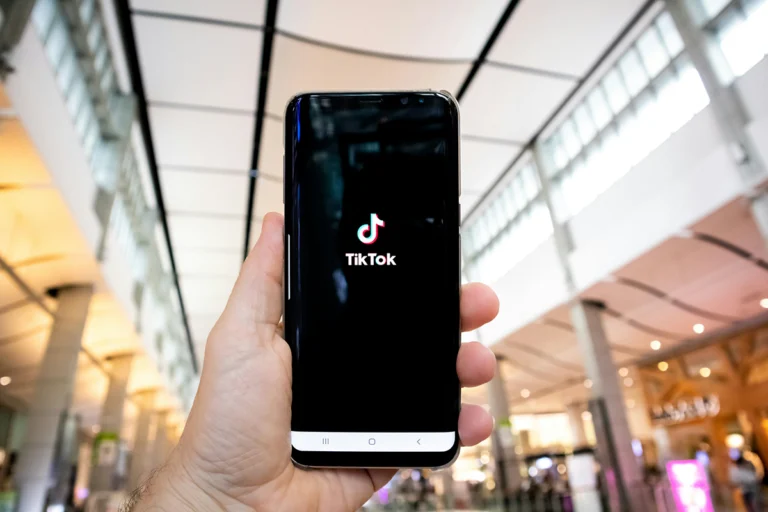
TikTok rapid fire feed hijacks dopamine and drains hours. Track triggers for two days, logging place, mood, and time of every swipe. Export favorites, log out everywhere, delete the app, and hand the store password to a friend. Swap cravings with brisk walks, push ups, or quick voice notes. FOMO waves will pass; breathe, reread your trigger list, and mark another screen free evening. Within a week reclaimed time boosts sleep, focus, and creativity again.

Micro stressors like battery anxiety and nonstop alerts quietly raise cortisol all day. Start a 48 hour experiment: park phone three feet away while working, stash chargers in key spots, and silence one low value app. Log mood and focus every two hours. Most users report calmer breath, faster task switching, and deeper evening relaxation within days. Stack additional tweaks weekly until stress recedes to background whisper. Celebrate gains and refine boundaries that keep tech.
Digital overwhelm solutions start with acceptance, not shame. If motivation feels flat, use micro moves: power pause phones off for five minutes, leave the device outside the bedroom tonight, or read one printed page before scrolling. Label negative self talk and reframe: “I haven’t succeeded yet.” Chart offline versus online feelings to spotlight energy leaks. Each tiny win boosts dopamine, restoring momentum that nudges you from stuck toward action without requiring heroic forty eight detoxes.
Digital minimalism tips help motivated users move from basic hygiene to deep focus. Start by hard uninstalling your top three mindless apps, then batch check notifications at 9, 1, and 5. Guard mornings and meals as phone free zones and schedule one 24 hour digital free sprint each month. Turning off every alert except VIP calls plus nightly analog hobbies lowers cortisol and restores attention. Intentional curation proves tech serves values, not reflex scrolling loops.