Blog

Welcome to the Offline.now Blog - your trusted resource for navigating digital detox and reclaiming balance.

Explore daily insights into managing phone stress, reducing screen time, curbing doomscrolling, and practical digital wellness strategies. Let our science-backed tips and expert advice empower you to build a healthy relationship with technology.
Phone separation anxiety, or nomophobia, turns a low battery into a panic attack. Use our quick five-question self-test to gauge stress, then try four compassionate fixes: silence non-essential notifications, create ten-minute micro-detox windows, stash chargers everywhere to tame battery fear, and swap reflex checks for a stretch or mindful breath. Track progress for a week and notice heart rate, focus, and sleep improve. Anxiety fades as small wins stack.
Doomscrolling exploits our threat radar, rewarding each alarming headline with a dopamine jolt. Break the loop using five evidence-backed moves: schedule two short news windows, mute breaking alerts, ask “Is this actionable?” before reading, insert 24-hour detox sprints, and follow solution-oriented outlets to balance bias. These steps calm the amygdala, cut anxiety, and free cognitive bandwidth for real work. Pick one tactic today, log mood changes, and watch urgency shrink.
LinkedIn anxiety sparks career FOMO every time a promotion post pops up. This toolkit swaps comparison for clarity in five steps: schedule two 15-minute LinkedIn blocks, mute trigger accounts, log three weekly wins to anchor self-worth, send one intentional outreach note, and unplug for a LinkedIn-free weekend each month. These habits cut distraction, protect sleep, and sustain meaningful networking. Add Friday progress logs and watch stress drop while real opportunities rise.
Instagram Reels flood your brain with endless novelty, fast swipes, and algorithmic rewards, making focus vanish. If you lose time, feel jittery without the app, or scroll during tasks, you’re edging toward compulsive use. This guide breaks the loop with a four step plan: log every scroll trigger, silence push alerts, set daily caps, and run weekend uninstalls. Mindful viewing plus dopamine detox swaps Reels for real life rewards so attention, sleep, and mood rebound.
TikTok rapid fire feed hijacks dopamine and drains hours. Track triggers for two days, logging place, mood, and time of every swipe. Export favorites, log out everywhere, delete the app, and hand the store password to a friend. Swap cravings with brisk walks, push ups, or quick voice notes. FOMO waves will pass; breathe, reread your trigger list, and mark another screen free evening. Within a week reclaimed time boosts sleep, focus, and creativity again.
Micro stressors like battery anxiety and nonstop alerts quietly raise cortisol all day. Start a 48 hour experiment: park phone three feet away while working, stash chargers in key spots, and silence one low value app. Log mood and focus every two hours. Most users report calmer breath, faster task switching, and deeper evening relaxation within days. Stack additional tweaks weekly until stress recedes to background whisper. Celebrate gains and refine boundaries that keep tech.
Digital overwhelm solutions start with acceptance, not shame. If motivation feels flat, use micro moves: power pause phones off for five minutes, leave the device outside the bedroom tonight, or read one printed page before scrolling. Label negative self talk and reframe: “I haven’t succeeded yet.” Chart offline versus online feelings to spotlight energy leaks. Each tiny win boosts dopamine, restoring momentum that nudges you from stuck toward action without requiring heroic forty eight detoxes.
Digital minimalism tips help motivated users move from basic hygiene to deep focus. Start by hard uninstalling your top three mindless apps, then batch check notifications at 9, 1, and 5. Guard mornings and meals as phone free zones and schedule one 24 hour digital free sprint each month. Turning off every alert except VIP calls plus nightly analog hobbies lowers cortisol and restores attention. Intentional curation proves tech serves values, not reflex scrolling loops.
Need screen-time balance but feel drained? Start with this five-step planner: enjoy one phone-free meal, swap the last five minutes of night scrolling for a book or breath, tackle boredom with a two-minute offline substitute, silence one non-essential app, and post a sticky note listing why balance matters. Micro wins build confidence, lower stress, and spark momentum. Pick one step for tomorrow and celebrate the lift in focus and daily calm.
Mindfulness exercises fit even the busiest calendar when they take five minutes or less. This toolkit delivers five micro practices: a one-minute breath reset, mindful scrolling check before feeds, two-minute body scan, single-breath transition between tasks, and quick gratitude text. Anchor each to an existing routine - coffee, email, meeting wrap - to avoid overload. Consistency compounds into calmer mood and sharper focus. Choose one exercise today, set a calendar ping, and start building resilience now.
Scrolling past bedtime keeps brains buzzing long after lights out. Research shows even 24-hour device breaks lower cortisol, improve sleep, and reboot attention. Before starting, list two personal reasons for the pause, choose a realistic window, and stock offline anchors like a novel or hike. Silence non-essential alerts, park phones in another room, and breathe through early cravings. Afterward, jot wins and keep dinner and bedtime screen-free to lock in the gains.
Boredom isn’t wasted time, it’s your creativity engine. When you stop filling every lull with screens, the brain shifts into default mode daydreaming, where ideas collide and insights surface. This post reframes boredom as a healthy pause, unpacks the science of mind-wandering and creative incubation, and offers five micro-detox tactics from scheduled no-scroll moments to analog hobbies. Use your journal and turn idle minutes into spark sessions that revive focus and imagination every single day again.
The Single Room Rule is a behaviorally informed strategy to reduce phone dependency by designating a single space for device use. Grounded in habit science and digital wellness research, this method minimizes environmental triggers, boosts self-regulation, and encourages intentional tech use. Ideal for parents, professionals, and students alike, this practical approach helps you reclaim attention, improve sleep, and foster real-world connection without relying on willpower alone. A small boundary that yields measurable psychological benefits.
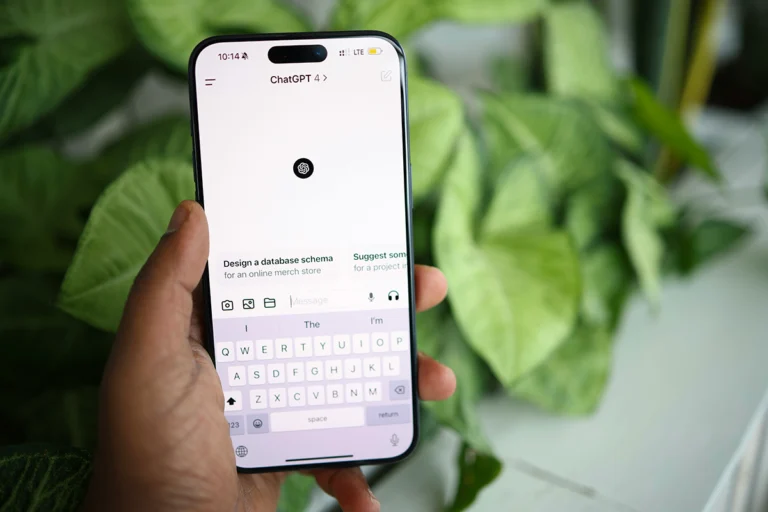
Phones hand out dopamine on demand, perfect for ADHD brains, but brutal for productivity. If “just five minutes” of scrolling morphs into an hour, try these four research-backed shifts. Swap self-blame for ADHD coaching that builds planning skills and self-compassion; lean on uncluttered digital tools and a no-login ChatBot for gentle nudges; reset with a quick walk to boost executive function; and stack tiny “micro-wins” like answering one text. Progress, not perfection, rewires phone habits and your day.
Is your phone packed with 20,000 photos you never scroll? That silent stress is digital hoarding—cloud clutter that drains focus and sparks guilt. This post rewrites decluttering as self-care: clarify your “why,” nail quick wins like duplicate deletion and screenshot sweeps, mute non-essential notifications, and schedule device-free zones to stop new piles forming. Progress, not perfection, is the rule. Finish by creating a bite-size declutter checklist and start curating memories that actually matter.
Screens now soak up more than six and a half hours of our daily lives over seven for Americans and nearly nine for Gen Z. Our 2025 screen time report unpacks the fresh numbers, from smartphone saturation to the rise of “doomscroll fatigue,” and translates data into action. Learn how constant connection strains attention, sleep, and mood and test three mini-detox tactics, from app timers to “analog power hours,” to reclaim calm, clarity, and healthier digital habits.
Ever yanked out your phone after a phantom buzz only to find silence? That eerie misfire is phantom vibration syndrome - your brain’s sensorimotor wiring glitching after constant notifications. This post unpacks how prediction-error loops and dopamine-driven checking habits create phantom phone sensations, then delivers five coach-style micro-wins: relocate the device, switch vibration patterns, run a body-scan reset, schedule no-buzz blocks, and try a weekly bag-carry challenge. Quiet the “ghost buzz” and reclaim calm focus.