Blog

Welcome to the Offline.now Blog - your trusted resource for navigating digital detox and reclaiming balance.

Explore daily insights into managing phone stress, reducing screen time, curbing doomscrolling, and practical digital wellness strategies. Let our science-backed tips and expert advice empower you to build a healthy relationship with technology.
Need screen-time balance but feel drained? Start with this five-step planner: enjoy one phone-free meal, swap the last five minutes of night scrolling for a book or breath, tackle boredom with a two-minute offline substitute, silence one non-essential app, and post a sticky note listing why balance matters. Micro wins build confidence, lower stress, and spark momentum. Pick one step for tomorrow and celebrate the lift in focus and daily calm.
Mindfulness exercises fit even the busiest calendar when they take five minutes or less. This toolkit delivers five micro practices: a one-minute breath reset, mindful scrolling check before feeds, two-minute body scan, single-breath transition between tasks, and quick gratitude text. Anchor each to an existing routine - coffee, email, meeting wrap - to avoid overload. Consistency compounds into calmer mood and sharper focus. Choose one exercise today, set a calendar ping, and start building resilience now.

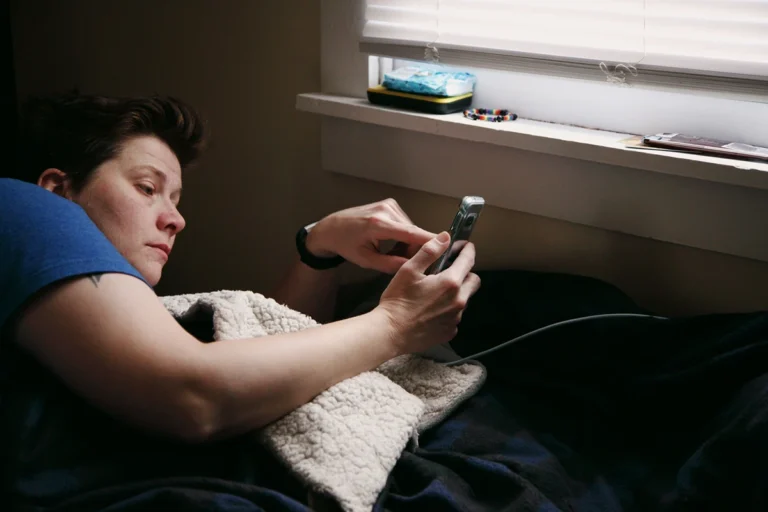
Scrolling past bedtime keeps brains buzzing long after lights out. Research shows even 24-hour device breaks lower cortisol, improve sleep, and reboot attention. Before starting, list two personal reasons for the pause, choose a realistic window, and stock offline anchors like a novel or hike. Silence non-essential alerts, park phones in another room, and breathe through early cravings. Afterward, jot wins and keep dinner and bedtime screen-free to lock in the gains.
The Single Room Rule is a behaviorally informed strategy to reduce phone dependency by designating a single space for device use. Grounded in habit science and digital wellness research, this method minimizes environmental triggers, boosts self-regulation, and encourages intentional tech use. Ideal for parents, professionals, and students alike, this practical approach helps you reclaim attention, improve sleep, and foster real-world connection without relying on willpower alone. A small boundary that yields measurable psychological benefits.
Phones hand out dopamine on demand, perfect for ADHD brains, but brutal for productivity. If “just five minutes” of scrolling morphs into an hour, try these four research-backed shifts. Swap self-blame for ADHD coaching that builds planning skills and self-compassion; lean on uncluttered digital tools and a no-login ChatBot for gentle nudges; reset with a quick walk to boost executive function; and stack tiny “micro-wins” like answering one text. Progress, not perfection, rewires phone habits and your day.
Is your phone packed with 20,000 photos you never scroll? That silent stress is digital hoarding—cloud clutter that drains focus and sparks guilt. This post rewrites decluttering as self-care: clarify your “why,” nail quick wins like duplicate deletion and screenshot sweeps, mute non-essential notifications, and schedule device-free zones to stop new piles forming. Progress, not perfection, is the rule. Finish by creating a bite-size declutter checklist and start curating memories that actually matter.
Ever yanked out your phone after a phantom buzz only to find silence? That eerie misfire is phantom vibration syndrome - your brain’s sensorimotor wiring glitching after constant notifications. This post unpacks how prediction-error loops and dopamine-driven checking habits create phantom phone sensations, then delivers five coach-style micro-wins: relocate the device, switch vibration patterns, run a body-scan reset, schedule no-buzz blocks, and try a weekly bag-carry challenge. Quiet the “ghost buzz” and reclaim calm focus.
A digital-free vacation rewires how you travel. Swapping smartphones for simple paper maps and face-to-face chats lowers cortisol, lifts mood, and lets your senses register every sea breeze and street melody. This guide walks you through setting clear tech boundaries, choosing unplugged destinations, and packing analog backups like film cameras and guidebooks. With screen-free travel tips for families and solo adventurers alike, you’ll return home rested, re-connected, and rich with real memories worth sharing offline.
Still sleep with your phone in the room? That glowing rectangle floods your brain with blue light, suppresses melatonin, and tempts night-owls into 2 a.m. doomscrolls. Research says simply parking the device eight feet away can restore circadian rhythms, reduce anxiety, and deepen REM sleep. Our quick guide unpacks the science, shares stylish bedside-free alarm options, and offers micro-wins like a 30-minute pre-bed swap to help you wake clearer, calmer, and ready for real-world focus every day.