Blog
Welcome to the Offline.now Blog - your trusted resource for navigating digital detox and reclaiming balance.
Explore daily insights into managing phone stress, reducing screen time, curbing doomscrolling, and practical digital wellness strategies. Let our science-backed tips and expert advice empower you to build a healthy relationship with technology.
Loneliness among young adults is rising - and the advice about what to do about it is heavy on app recommendations and light on evidence. A major systematic review offers a clearer picture: some digital approaches genuinely help, but the type and quality of interaction matters far more than the medium. Here is what the research actually shows.
Being available and being present are not the same thing. Most leaders know this abstractly. Far fewer have examined what constant digital availability is actually doing to their capacity for the second one. This is not a wellness argument. It is a leadership performance argument - and the evidence behind it is precise enough to be worth taking seriously.
You don't need to overhaul everything at once. This practical checklist gives parents eight small, consistent actions to take this week - from observing patterns before intervening, to protecting sleep, to co-regulating before setting limits. Start small. Stay steady.
Most debate about gaming addiction swings between alarm and dismissal. The research offers something more useful: a precise clinical distinction between heavy use and addictive use, measurable markers that tell them apart, and honest prevalence data that sizes the risk accurately. Here is what the evidence actually shows.
You deleted the app. You set the limit. You tried the detox. And within days or weeks, the same pattern returned. If you have been treating that return as a personal failing, there is a more accurate explanation. Habits that feel compulsive persist because they are serving a function - managing stress, regulating emotion, filling a relational gap. Changing the behavior without understanding the function is why the pattern keeps coming back.
You know how to handle hard things. But somewhere along the way, the part of you that learned to stay ready stopped being something you switch on when you need it and became the default. You are alert when you do not need to be. You cannot fully rest. You have been told to relax and genuinely cannot get there. This is not a character flaw. It is a nervous system that learned to do its job extremely well - and has not yet received the signal that the conditions have changed.
Most advice about digital well-being focuses on one thing: use your phone less. But a growing body of research suggests that raw time reduction is the wrong target. What actually matters is self-regulation, social quality, and intentional planning - and understanding that difference changes what you should try next.
Many arguments about phones in relationships go in circles: one partner feels ignored, the other feels criticized, and nothing really changes. The Later List is a simple shared ritual that helps interrupt that cycle. Instead of confronting the issue mid-scroll, couples jot concerns down and revisit them later when both people are calmer. This small structure reduces defensiveness, lowers conflict, and creates space for more honest conversations about connection and attention.
If you keep picking up your phone without meaning to, you’re not lacking discipline—you’re stuck in a loop. This post breaks down why compulsive checking happens and introduces a simple 3-part framework to interrupt it: recognize the trigger, insert one small pause, and add gentle friction to the environment. With practical scripts and a 24-hour experiment, you’ll have something concrete to try tonight—no shame, no detox required.
If you keep switching between email, Slack, and social media yet feel like nothing gets done, you may be experiencing task-switching debt. For ADHD brains, every unfinished task creates cognitive tension that quietly pulls attention back again and again. This post explains how switching debt builds throughout the day and shares simple micro-experiments to reduce open loops, lower mental fatigue, and make it easier to return to the work that actually matters.
When your phone is your business, “just put it away” isn’t realistic. But constant access can quietly destroy focus—especially for ADHD brains wired for novelty. In this personal reflection, an ADHD coach shares how late-night and early-morning doom scrolling was hijacking his attention and nervous system, and how one surprisingly simple change—a smart watch alarm—created friction that protected his focus without disconnecting him from work.
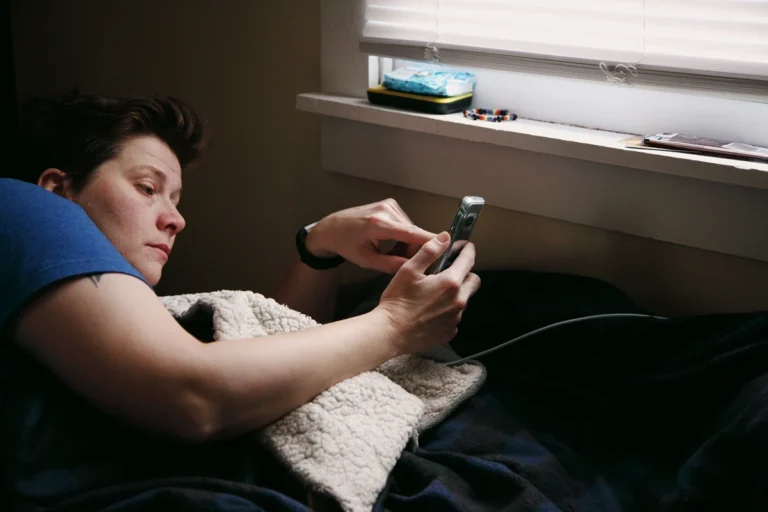
Late-night doom scrolling isn’t really about the phone—it’s about exhaustion, unfinished tasks, and an ADHD brain searching for relief. When the day feels overwhelming and nothing feels complete, endless scrolling offers easy stimulation without expectations. This post explores why burnout and ADHD make nighttime scrolling so common, and how small daytime shifts—like visible task completion and planned endings—can help your brain finally power down instead of staying stuck in the scroll.
Digital balance for college students is a survival skill. Buzzing phones split attention, hurt grades, and heighten anxiety. This guide delivers seven wins: audit screen time, declare tech free zones like library desks, batch notifications, run one screen study sessions, follow the 20-20-20 eye rule, try weekly social media fasts, and practice digital mindfulness before unlocking. Start with one tactic, track mood for a week, then layer another. Small, consistent tweaks beat heroic detox marathons.
Late night screen time sabotages sleep by flooding eyes with blue light and brain with cliffhanger drama. Create a one-hour digital sunset: set an alarm to power down devices, enable night-shift filters if work is unavoidable, and charge phones outside the bedroom. Swap the final scroll for deep breathing, light stretches, or paperback pages. Even one evening trial can shorten sleep latency and lift morning mood. Try your first digital sunset tonight.
Constant pings flood reward circuits, but real change starts with a clear why. Audit unlocks for one day, highlight the three apps that steal most energy, and label every pickup mood. Then craft device free zones, replace boredom swipes with five minute movement hits, and text a partner nightly screen score for accountability. Slip ups are data, not defeat; review Fridays and adjust. Consistent boundaries compound into focus, calmer sleep, and technology that serves you.
Finding digital wellness begins with acknowledging that tech is a tool, not a tyrant. Offline Now gathers neuroscience backed tactics that tame endless reels, midnight doomscrolls, and always on work pings. Explore guides on phone breakups, family tech pacts, blue light sleep fixes, and digital pomodoro focus bursts, then choose one tiny step tonight-like silencing notifications at dinner. Small, intentional habits cascade into calmer minds, deeper relationships, and productivity that feels good instead of frantic.
Our Digital Balance Hub is a living library that matches your Offline.now Matrix quadrant to bite size, science backed actions. Navigate quick-start cards, micro lesson videos, and chatbot coaching without hunting menus. Toggle filters for five minute, fifteen minute, or weekend challenges and bookmark progress dashboards. Monthly updates drop fresh tactics, while community forums swap wins and troubleshoot stalls. Set one alert, open today, pick a tiny move, and feel digital wellness compound all week.
Inside this evidence based field guide you’ll map your Pivot Matrix quadrant and unlock tailored micro steps. Short quizzes surface habits, then pages send Overwhelmed, Ready, Stuck, or Unconcerned readers straight to right sized tactics. Expect two minute wins like phone baskets, blue light sunsets, and detox weekends, plus reflection prompts to track momentum. Progress logs and QR links to our hub keep learning. Grab the book, test one tactic tonight, and feel bandwidth grow.