Blog

Welcome to the Offline.now Blog - your trusted resource for navigating digital detox and reclaiming balance.

Explore daily insights into managing phone stress, reducing screen time, curbing doomscrolling, and practical digital wellness strategies. Let our science-backed tips and expert advice empower you to build a healthy relationship with technology.
Healthy technology habits are more sustainable when families focus on understanding the needs behind device use rather than simply imposing restrictions. Small, collaborative changes can build confidence and create routines that are easier to maintain over time.
For university students with ADHD, the hardest part is often not knowing what needs to be done, it’s actually getting started. Task initiation, disrupted routines, procrastination, and difficulty managing time and energy can make academic work feel overwhelming. ADHD coaching can help by creating practical systems, breaking assignments into manageable steps, building accountability, and developing routines that fit how each student actually works. This article explores why starting can feel so difficult and the strategies that can help students build more consistent academic habits.
Individual therapy can help you understand the deeper patterns behind recurring relationship conflict. By building emotional awareness, recognizing stress responses, and exploring past experiences, therapy can create more space to communicate honestly, respond differently, and feel more connected in your relationships.
If reading used to feel effortless but now you find yourself reaching for your phone instead, you're not alone. This article explores how constant scrolling reshapes your attention, why books feel harder to focus on, and the simple, research-backed habits that can help you rebuild a sustainable reading routine, without relying on willpower or a complete digital detox.
Build a healthier relationship with your phone without another app, detox, or complicated system. Learn how small, low-friction changes can reduce mindless scrolling and make healthier phone habits easier to maintain
Online attachment quizzes may offer quick labels, but they often miss how modern digital habits can intensify relationship anxiety. This article explores the clinical roots of attachment and how constant connectivity, read receipts, instant reassurance, dating apps, and digital availability can amplify insecurity. It also shares practical strategies for creating healthier communication boundaries and building greater emotional safety in adult relationships.
When ADHD affects the rhythm of family life, mornings, homework, transitions, and bedtime can quickly become sources of daily stress. ADHD parent coaching can help by turning those pressure points into practical, repeatable systems. From routine-building and executive function support to behaviorally informed strategies and caregiver consistency, the right coaching can help families reduce chaos, strengthen follow-through, and create a calmer home environment, without expecting perfection.

Rebuilding confidence after midlife divorce starts with small, intentional steps. From creating new routines and making postponed decisions to practicing self-kindness and seeking the right support, women can gradually rebuild self-trust, clarity, and a steadier sense of self for the next chapter.
Entrepreneurs often know exactly what they want to accomplish but struggle to turn competing priorities into consistent action. ADHD coaching with structured accountability can help by making priorities clearer, breaking large goals into manageable steps, and creating practical systems for meeting deadlines. For business owners dealing with time management, focus, and follow-through challenges, the right coaching support can make it easier to protect important work from constant distractions and build habits that last.
When work pressure, digital overload, caregiving, and everyday uncertainty start to feel overwhelming, finding the right support can make a meaningful difference. This guide explores how to recognize when stress may be affecting your wellbeing, what to look for in a therapist, and why personalized, Gestalt-informed care can help you build greater self-awareness, self-compassion, and emotional space.
Personalized ADHD routine support focuses on building practical systems that fit your real life rather than forcing rigid routines that create more stress. From executive function coaching and body doubling to visual planners, reminders, and accountability tools, the right support can reduce mental load, improve follow-through, and make everyday tasks easier to start. For adults balancing ADHD with work and leadership responsibilities, flexible, strengths-based routines can help turn recurring challenges into manageable systems.
Work stress and anxiety can affect your sleep, relationships, confidence, and everyday life. Online therapy offers flexible, accessible support for managing workplace pressure, burnout, and emotional distress. Learn how evidence-based online therapy can help you build healthier coping strategies and feel more supported.
Many arguments about phones in relationships go in circles: one partner feels ignored, the other feels criticized, and nothing really changes. The Later List is a simple shared ritual that helps interrupt that cycle. Instead of confronting the issue mid-scroll, couples jot concerns down and revisit them later when both people are calmer. This small structure reduces defensiveness, lowers conflict, and creates space for more honest conversations about connection and attention.
If you keep picking up your phone without meaning to, you’re not lacking discipline—you’re stuck in a loop. This post breaks down why compulsive checking happens and introduces a simple 3-part framework to interrupt it: recognize the trigger, insert one small pause, and add gentle friction to the environment. With practical scripts and a 24-hour experiment, you’ll have something concrete to try tonight—no shame, no detox required.
If you keep switching between email, Slack, and social media yet feel like nothing gets done, you may be experiencing task-switching debt. For ADHD brains, every unfinished task creates cognitive tension that quietly pulls attention back again and again. This post explains how switching debt builds throughout the day and shares simple micro-experiments to reduce open loops, lower mental fatigue, and make it easier to return to the work that actually matters.
When your phone is your business, “just put it away” isn’t realistic. But constant access can quietly destroy focus—especially for ADHD brains wired for novelty. In this personal reflection, an ADHD coach shares how late-night and early-morning doom scrolling was hijacking his attention and nervous system, and how one surprisingly simple change—a smart watch alarm—created friction that protected his focus without disconnecting him from work.
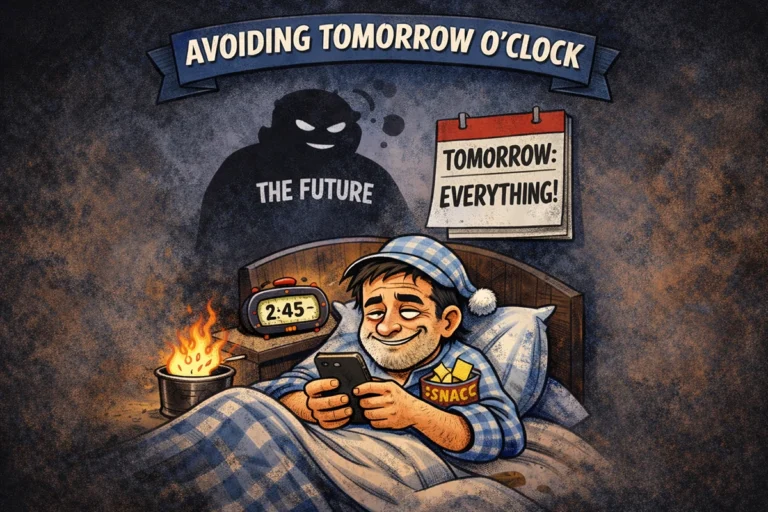
Late-night doom scrolling isn’t really about the phone—it’s about exhaustion, unfinished tasks, and an ADHD brain searching for relief. When the day feels overwhelming and nothing feels complete, endless scrolling offers easy stimulation without expectations. This post explores why burnout and ADHD make nighttime scrolling so common, and how small daytime shifts—like visible task completion and planned endings—can help your brain finally power down instead of staying stuck in the scroll.
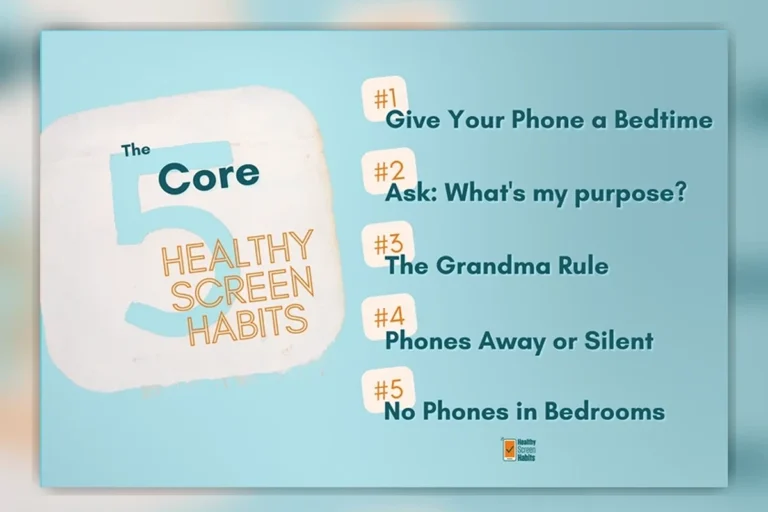
Healthy Screen Habits is helping families rethink screen time with simple, practical habits that prioritize connection over control. Instead of rigid rules or panic, their approach focuses on small, repeatable changes that make technology easier to manage in everyday life. In this post, we highlight their 5 Core Healthy Screen Habits and share a simple 7-day family experiment—small steps that can reduce digital overwhelm and help screens take up less space at home.