Blog
Welcome to the Offline.now Blog - your trusted resource for navigating digital detox and reclaiming balance.
Explore daily insights into managing phone stress, reducing screen time, curbing doomscrolling, and practical digital wellness strategies. Let our science-backed tips and expert advice empower you to build a healthy relationship with technology.
The debate about smartphones and mental health swings between alarm and dismissal. Both miss the real finding. The research is consistent on one thing: the phone is not the variable that matters. The pattern of use is. Here is what that distinction actually means - and how to use it to think more clearly about your own habits.
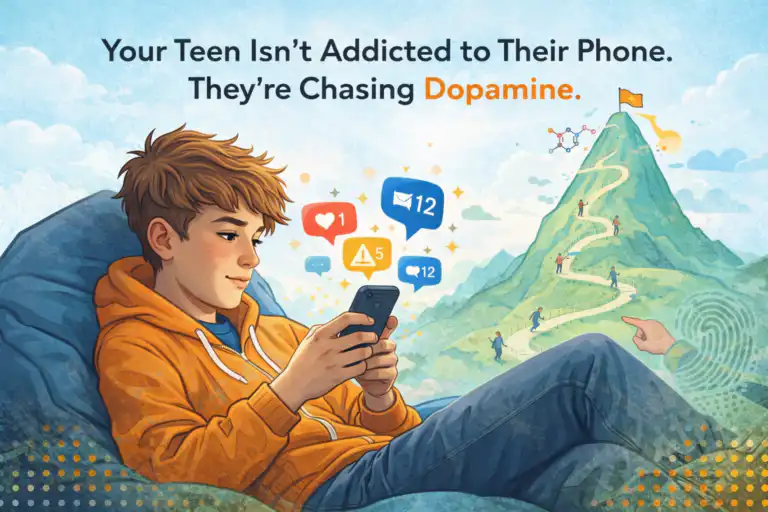
Your teen isn't weak, lazy, or addicted. They're responding exactly as their brain is wired to - and more often than not, what they're really feeling is overwhelmed. This piece explains the neuroscience behind teen phone use, why stress drives the behavior more than discipline ever will, and what parents can actually do about it.
There is a particular kind of tired that does not go away with sleep. If you end most days feeling flat, irritable, or hollowed out after hours of being digitally connected, that exhaustion is real, it has a cause, and it is not a personal weakness. Cleo Haber, MSW, RSW, explains the mechanism - and what your inner world is actually asking for.
You are not using your phone right now. But you are probably still thinking about it. That background alertness has a name, a mechanism, and a direct pathway to mental health decline - and it has nothing to do with how many hours you log on screen. Here is what the research actually shows about online vigilance, why stress is the real variable, and what that means for what you should try next.
Loneliness among young adults is rising - and the advice about what to do about it is heavy on app recommendations and light on evidence. A major systematic review offers a clearer picture: some digital approaches genuinely help, but the type and quality of interaction matters far more than the medium. Here is what the research actually shows.
Being available and being present are not the same thing. Most leaders know this abstractly. Far fewer have examined what constant digital availability is actually doing to their capacity for the second one. This is not a wellness argument. It is a leadership performance argument - and the evidence behind it is precise enough to be worth taking seriously.
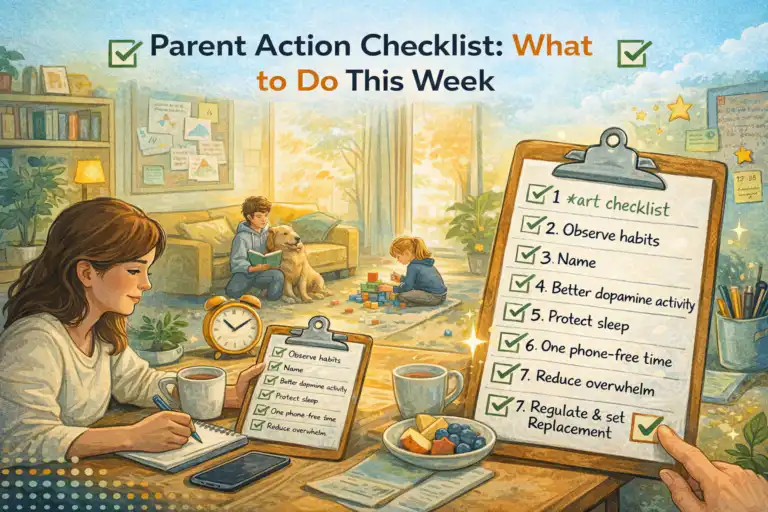
You don't need to overhaul everything at once. This practical checklist gives parents eight small, consistent actions to take this week - from observing patterns before intervening, to protecting sleep, to co-regulating before setting limits. Start small. Stay steady.
Most debate about gaming addiction swings between alarm and dismissal. The research offers something more useful: a precise clinical distinction between heavy use and addictive use, measurable markers that tell them apart, and honest prevalence data that sizes the risk accurately. Here is what the evidence actually shows.
You deleted the app. You set the limit. You tried the detox. And within days or weeks, the same pattern returned. If you have been treating that return as a personal failing, there is a more accurate explanation. Habits that feel compulsive persist because they are serving a function - managing stress, regulating emotion, filling a relational gap. Changing the behavior without understanding the function is why the pattern keeps coming back.
You know how to handle hard things. But somewhere along the way, the part of you that learned to stay ready stopped being something you switch on when you need it and became the default. You are alert when you do not need to be. You cannot fully rest. You have been told to relax and genuinely cannot get there. This is not a character flaw. It is a nervous system that learned to do its job extremely well - and has not yet received the signal that the conditions have changed.
Most advice about digital well-being focuses on one thing: use your phone less. But a growing body of research suggests that raw time reduction is the wrong target. What actually matters is self-regulation, social quality, and intentional planning - and understanding that difference changes what you should try next.
Many arguments about phones in relationships go in circles: one partner feels ignored, the other feels criticized, and nothing really changes. The Later List is a simple shared ritual that helps interrupt that cycle. Instead of confronting the issue mid-scroll, couples jot concerns down and revisit them later when both people are calmer. This small structure reduces defensiveness, lowers conflict, and creates space for more honest conversations about connection and attention.
Mindless thumb-flicking and endless bad-news binges aren’t the same digital trap. Zombie scrolling is that detached, trance-like drift through random feeds, slowly draining attention. Doomscrolling is a negativity loop, chasing alarming headlines that spike anxiety. Our post unpacks the science behind both habits, shows why motivation and confidence matter, and offers quadrant-specific micro-wins - from timer tricks to values resets - to help night owl professionals reclaim focus, mood, and sustained energy daily without deleting your favorite social apps entirely.
Autoplay’s countdown makes “just one more” the default. To limit binge watching without losing the fun, pre-decide an episode cap, disable autoplay, and pair the end of each session with an offline reward (tea, journaling, stretch). Stand up at every credit roll and ask, “Am I still watching by choice?” Host short watch-parties for social benefit, and keep the day’s first/last 30 minutes screen-free. These tiny, evidence-backed tweaks transform marathon nights into mindful, guilt-free streaming.

Online shopping is consuming - but your wallet (and well-being) don’t have to suffer. “Shop Less, Live More” breaks the doom-scroll-to-doorstep cycle with a science-backed, 7-step plan to reduce online shopping. Learn how 24-hour cool-off timers, ad-free inbox filters, and a 30-day no-buy challenge turn impulse clicks into mindful purchasing. We’ll show Millennials and Gen Z pros how to cut e-commerce spending, tame online shopping addiction, and swap retail therapy for richer offline joys-no guilt required.
Swap screen glare for sunshine this season. Our guide shares ten creative, budget-friendly digital-free summer activities that pull families and friends off the couch and into real-world connection. Hike at dawn, host a backyard game night, craft a film-camera photo walk, or declare a screen-free Sunday potluck - each idea sparks movement, laughter and genuine conversation while lowering stress and boosting sleep. Think of them as mini detoxes: small swaps that build a healthier relationship with tech.
News should inform you, not immobilize you. Yet constant alerts, live blogs, and doomscrolling create news fatigue - a mix of anxiety, distraction, and sheer mental drain. This guide shows you how to break the cycle without quitting headlines: curate just a few trusted sources, schedule two short check-ins a day, swap endless scrolling for summary digests, and reset with mindfulness or an offline hobby. Small, consistent tweaks transform the news from mood-killer to manageable part of a balanced media diet.
Your feed is more than filler - it’s fuel for your thoughts. Swap doomscroll fatigue for daily inspiration by curating your social media feed with intention. Mute or hide posts that spike anxiety, unfollow accounts that spark comparison, and actively like content that educates, uplifts, or makes you laugh. Each tap reshapes the algorithm, turning endless scrolls into positive social scrolling. Within days you’ll notice lighter moods, sharper focus, and a timeline that finally feels like your space.