Blog
Welcome to the Offline.now Blog - your trusted resource for navigating digital detox and reclaiming balance.
Explore daily insights into managing phone stress, reducing screen time, curbing doomscrolling, and practical digital wellness strategies. Let our science-backed tips and expert advice empower you to build a healthy relationship with technology.
The debate about smartphones and mental health swings between alarm and dismissal. Both miss the real finding. The research is consistent on one thing: the phone is not the variable that matters. The pattern of use is. Here is what that distinction actually means - and how to use it to think more clearly about your own habits.
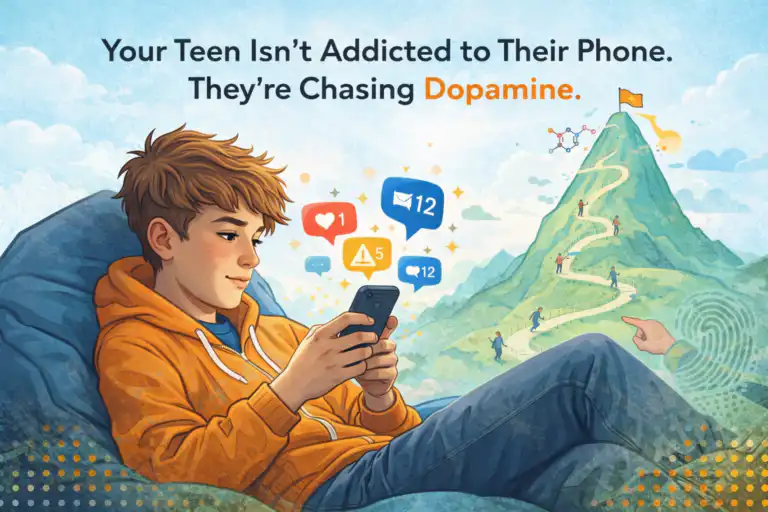
Your teen isn't weak, lazy, or addicted. They're responding exactly as their brain is wired to - and more often than not, what they're really feeling is overwhelmed. This piece explains the neuroscience behind teen phone use, why stress drives the behavior more than discipline ever will, and what parents can actually do about it.
There is a particular kind of tired that does not go away with sleep. If you end most days feeling flat, irritable, or hollowed out after hours of being digitally connected, that exhaustion is real, it has a cause, and it is not a personal weakness. Cleo Haber, MSW, RSW, explains the mechanism - and what your inner world is actually asking for.
You are not using your phone right now. But you are probably still thinking about it. That background alertness has a name, a mechanism, and a direct pathway to mental health decline - and it has nothing to do with how many hours you log on screen. Here is what the research actually shows about online vigilance, why stress is the real variable, and what that means for what you should try next.
Loneliness among young adults is rising - and the advice about what to do about it is heavy on app recommendations and light on evidence. A major systematic review offers a clearer picture: some digital approaches genuinely help, but the type and quality of interaction matters far more than the medium. Here is what the research actually shows.
Being available and being present are not the same thing. Most leaders know this abstractly. Far fewer have examined what constant digital availability is actually doing to their capacity for the second one. This is not a wellness argument. It is a leadership performance argument - and the evidence behind it is precise enough to be worth taking seriously.
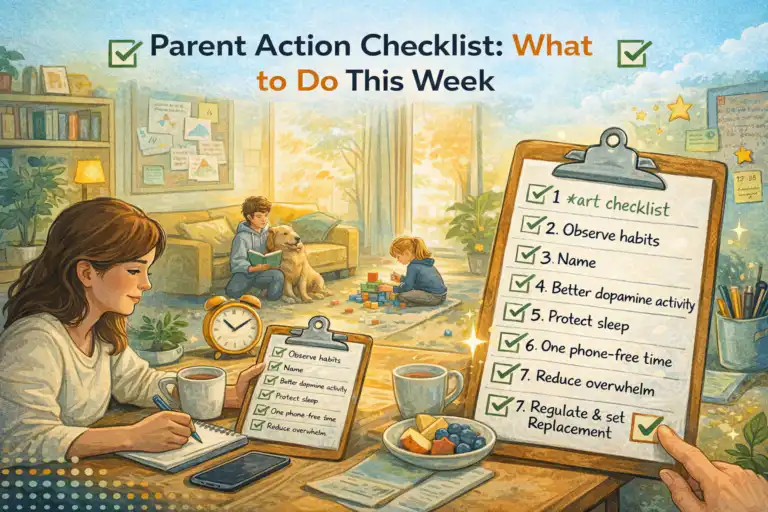
You don't need to overhaul everything at once. This practical checklist gives parents eight small, consistent actions to take this week - from observing patterns before intervening, to protecting sleep, to co-regulating before setting limits. Start small. Stay steady.
Most debate about gaming addiction swings between alarm and dismissal. The research offers something more useful: a precise clinical distinction between heavy use and addictive use, measurable markers that tell them apart, and honest prevalence data that sizes the risk accurately. Here is what the evidence actually shows.
You deleted the app. You set the limit. You tried the detox. And within days or weeks, the same pattern returned. If you have been treating that return as a personal failing, there is a more accurate explanation. Habits that feel compulsive persist because they are serving a function - managing stress, regulating emotion, filling a relational gap. Changing the behavior without understanding the function is why the pattern keeps coming back.
You know how to handle hard things. But somewhere along the way, the part of you that learned to stay ready stopped being something you switch on when you need it and became the default. You are alert when you do not need to be. You cannot fully rest. You have been told to relax and genuinely cannot get there. This is not a character flaw. It is a nervous system that learned to do its job extremely well - and has not yet received the signal that the conditions have changed.
Most advice about digital well-being focuses on one thing: use your phone less. But a growing body of research suggests that raw time reduction is the wrong target. What actually matters is self-regulation, social quality, and intentional planning - and understanding that difference changes what you should try next.
Many arguments about phones in relationships go in circles: one partner feels ignored, the other feels criticized, and nothing really changes. The Later List is a simple shared ritual that helps interrupt that cycle. Instead of confronting the issue mid-scroll, couples jot concerns down and revisit them later when both people are calmer. This small structure reduces defensiveness, lowers conflict, and creates space for more honest conversations about connection and attention.
For university students with ADHD, the hardest part is often not knowing what needs to be done, it’s actually getting started. Task initiation, disrupted routines, procrastination, and difficulty managing time and energy can make academic work feel overwhelming. ADHD coaching can help by creating practical systems, breaking assignments into manageable steps, building accountability, and developing routines that fit how each student actually works. This article explores why starting can feel so difficult and the strategies that can help students build more consistent academic habits.
Individual therapy can help you understand the deeper patterns behind recurring relationship conflict. By building emotional awareness, recognizing stress responses, and exploring past experiences, therapy can create more space to communicate honestly, respond differently, and feel more connected in your relationships.
If reading used to feel effortless but now you find yourself reaching for your phone instead, you're not alone. This article explores how constant scrolling reshapes your attention, why books feel harder to focus on, and the simple, research-backed habits that can help you rebuild a sustainable reading routine, without relying on willpower or a complete digital detox.
Build a healthier relationship with your phone without another app, detox, or complicated system. Learn how small, low-friction changes can reduce mindless scrolling and make healthier phone habits easier to maintain
Online attachment quizzes may offer quick labels, but they often miss how modern digital habits can intensify relationship anxiety. This article explores the clinical roots of attachment and how constant connectivity, read receipts, instant reassurance, dating apps, and digital availability can amplify insecurity. It also shares practical strategies for creating healthier communication boundaries and building greater emotional safety in adult relationships.
When ADHD affects the rhythm of family life, mornings, homework, transitions, and bedtime can quickly become sources of daily stress. ADHD parent coaching can help by turning those pressure points into practical, repeatable systems. From routine-building and executive function support to behaviorally informed strategies and caregiver consistency, the right coaching can help families reduce chaos, strengthen follow-through, and create a calmer home environment, without expecting perfection.