Blog
Welcome to the Offline.now Blog - your trusted resource for navigating digital detox and reclaiming balance.
Explore daily insights into managing phone stress, reducing screen time, curbing doomscrolling, and practical digital wellness strategies. Let our science-backed tips and expert advice empower you to build a healthy relationship with technology.
Feeling relationship stress because of phones or screen time? You’re not alone and you don’t have to figure it out by yourself. At Offline.now, you can book a free intro chat with experts who understand modern relationship challenges, from device boundaries to phubbing to digital disconnect. Explore specialists in relationship stress, online dating, and family dynamics, and connect with someone who can help you rebuild clarity, communication, and real connection.
If “just one more scroll” keeps turning into an hour you didn’t mean to spend, this hub is your guide to understanding and interrupting the cycle. You’ll learn the difference between doomscrolling, zombie scrolling, and micro-scrolling, why short-form feeds feel so addictive, and how your social media habits shape anxiety, comparison, and FOMO. With gentle, realistic tools not guilt or extremes; you’ll discover small shifts that help you reclaim focus, calm, and control.

If you’ve ever opened your phone to “check one thing” and resurfaced an hour later wondering what just happened, you’re not alone. Digital Balance 101 is your gentle, practical guide to creating a healthier relationship with your screens. Learn how to identify your current habits, understand why your phone feels so sticky, and explore small, realistic steps that help you feel calmer, more present, and back in control of your attention.
In a world of constant distraction, true presence has become a rare skill. Mindful connection isn’t about rejecting technology; it’s about reclaiming your attention. This post explores how intentional tech habits, single-task focus, and deep listening rebuild emotional presence and relational flow. Learn simple rituals: like phone-free meals and mindful check-ins that help you slow down, listen fully, and rediscover the joy of being truly with people, not just near them.
In online dating, silence can be self-care. This post explores how ghosting and muting have evolved into new forms of digital boundaries; quiet acts of emotional self-protection in an age of constant connection. Learn how to manage communication overload, reclaim your attention, and prioritize emotional clarity without guilt. Setting limits isn’t rude: it’s mindful. Discover practical, compassionate ways to protect your peace while staying true to your digital and emotional balance.
High-achieving women with ADHD often appear organized and capable while silently battling exhaustion, emotional overwhelm, and self-doubt. Decades of underdiagnosis have left many masking symptoms through perfectionism and overwork. This article explores why ADHD presents differently in women, how emotional regulation and digital habits fuel burnout, and how compassionate coaching and “tiny wins” can rebuild self-trust. Learn small, actionable steps to move from invisible struggle to visible self-acceptance and balance.
Feeling uneasy when you turn on Do Not Disturb? You’re not alone. Constant connectivity has trained us to equate availability with worth, creating guilt whenever we step away. This article reframes DND mode as self-protection; a deliberate act of self-regulation that safeguards focus, rest, and authenticity. Learn how to manage availability pressure, reduce emotional fatigue, and use boundary scripts to reclaim your calm without apology or anxiety.
If your brain constantly seeks stimulation: scrolling, switching, refreshing; you’re not broken. You’re responding to how ADHD brains process dopamine and reward. This article explains why impulsivity and distraction feel uncontrollable, and how to replace mindless digital stimulation with intentional, energizing “dopamine swaps.” Learn how movement, novelty, and music can regulate focus, calm your nervous system, and help you feel grounded and productive again; without fighting your brain’s natural wiring.
If your emotions feel “too much,” you’re not broken, you’re human. Many adults with ADHD experience emotional intensity, overwhelm, and rejection sensitivity that make daily life exhausting. This post teaches you how to ride the feeling, not fight it, using small, science-backed steps to calm your nervous system and build self-trust. Learn the simple Notice → Pause → Choose method to replace shame with self-compassion and regain your emotional balance one gentle moment at a time.
Feeling mentally scattered or overstimulated? You might be experiencing cognitive load anxiety; the hidden stress of constant switching and information overload. This guide helps you recognize digital fatigue, uncover overwhelm triggers, and use simple reflection prompts to reclaim clarity and focus. Learn how to turn mental clutter into insight, build small daily wins, and move from feeling drained to feeling calm, capable, and in control of your attention.
Feeling stretched thin and constantly plugged in? You don’t need a full digital detox to reclaim calm. This post introduces the one-step weekly boundary; a gentle, realistic way to reduce overwhelm and regain focus. Learn how to set a simple phone-free routine, align it with your values, and use quick reflection prompts to stay consistent. One mindful boundary a week can rebuild confidence, balance, and digital clarity.
Feeling drained by endless scrolling? You’re not alone. Platforms like TikTok and Reels are designed to hijack your attention, fragmenting focus and fueling digital fatigue. This post introduces a simple fix: the 15-minute media swap. Replace reactive scrolling with intentional, long-form content: a book, a podcast, a meaningful article. With mindful media choices, you can rebuild focus, reclaim calm, and shift from dopamine-driven distraction to deep, intentional attention.
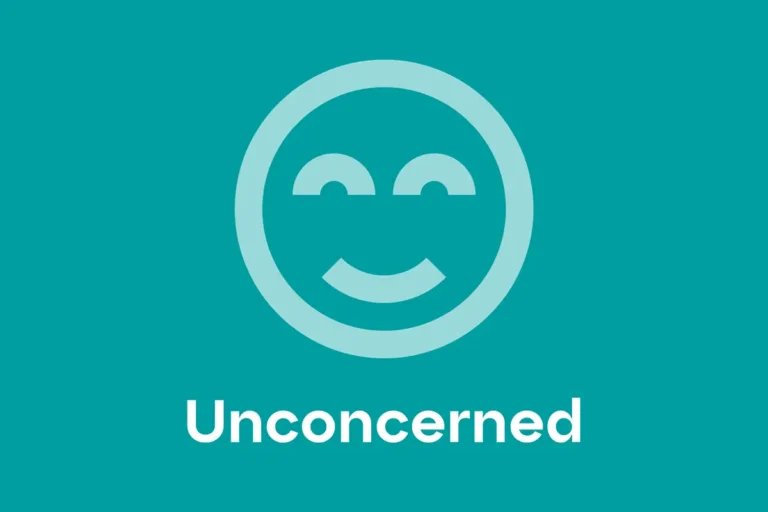
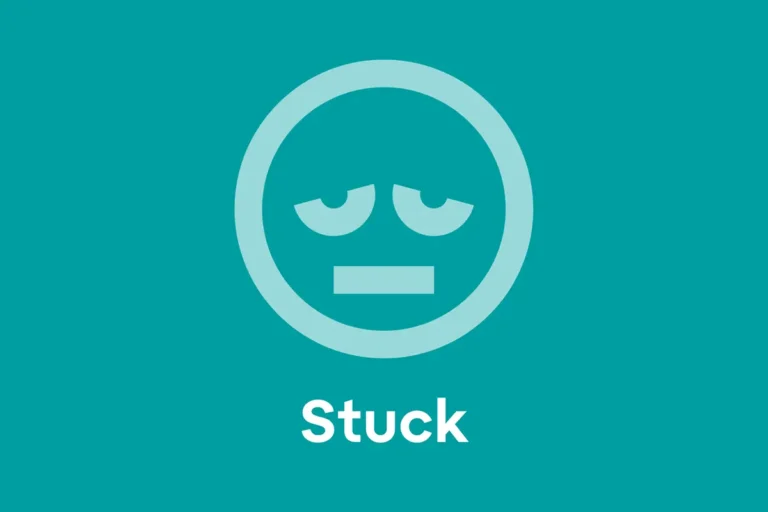
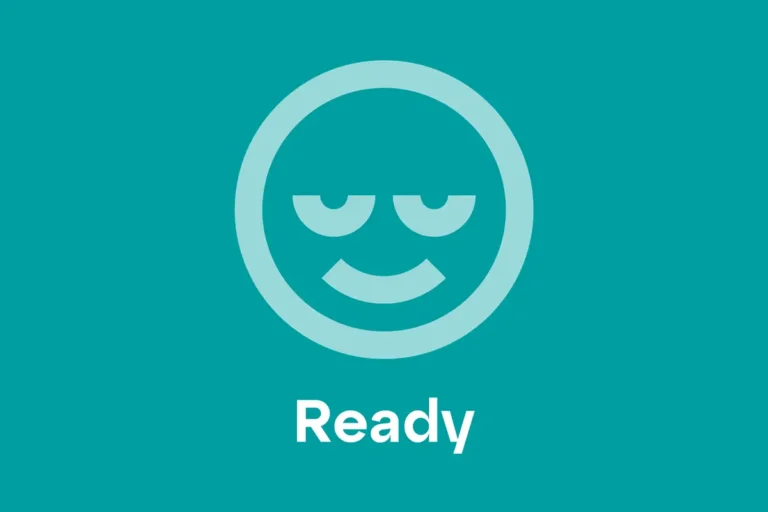
In three minutes this quiz reveals your Pivot Matrix quadrant so goals finally fit motivation. Rate six quick statements, add scores, and land in Ready, Overwhelmed, Stuck, or Unconcerned. Instant results page links to one starter tactic, five minute video, and hub playlist tailored to your zone. Retake monthly, celebrate color shifts, and adjust plans before burnout hits. Clarity replaces guesswork, and progress moves from sporadic to steady within days. Take the quiz right now.
Feeling fine can mask subtle tech damage. Blue light chips away at deep sleep, pings fracture focus for twenty three lost minutes, and silent phones on tables erode conversation depth. This article invites curiosity with two experiments: phone free weekend mornings and no visible phones dinners. Record mood, clarity, and connection afterwards to surface hidden costs. Awareness, not guilt, is the goal. Once you notice energy leaks, natural motivation emerges to dial screens back slowly.
Stuck doesn’t equal failure; it signals low energy and confidence. Lift mood first: jot one gratitude snapshot, soak two minutes of sunlight, or breathe three deep breaths. When brighter, slip in five minute phone exile or color coded mood calendar without judgment. Small, repeatable wins release dopamine, rebuild belief, and create momentum. Consistency beats intensity. Pebble upon pebble forms a path. Gentle persistence turns the wheel, nudging you from stuck to overwhelmed, then ready soon.
You’ve nailed the basics and crave a stretch goal. Advanced balance starts here. Try a 30 day social sabbatical, batch notifications into two ten minute windows, or level up accountability with screen time screenshots and playful stakes. Flow theory says challenge matching skill sparks engagement, so these tactics keep motivation high without burnout. Review progress monthly, adjust pace, and share wins to mentor others. Growth shifts from restraint to intentional tech minimalism that energizes life.
Feeling overwhelmed by screens doesn’t mean you lack willpower. Apps are engineered for frictionless relapse. This post rebuilds confidence through tiny wins: delete three derailment apps for a week, charge the phone outside the bedroom to enjoy a screen free sunrise, and track each resisted check in a notebook. Each micro victory triggers dopamine and proves you can steer habits. Celebrate, breathe, repeat - gentle momentum lifts you from overwhelmed toward ready for bigger moves.
Feeling tethered to notifications yet anxious to unplug signals a digital diet gone sour. Real balance lets tech serve clear goals instead of stealing attention, sleep, and relationships. Begin with a one-day pickup audit, block phone-free meals, create bedroom and dining no-phone zones, and pause before each tap to ask why. Small, intentional boundaries compound into calmer mood, sharper focus, and richer conversations—without banning the devices you still need.