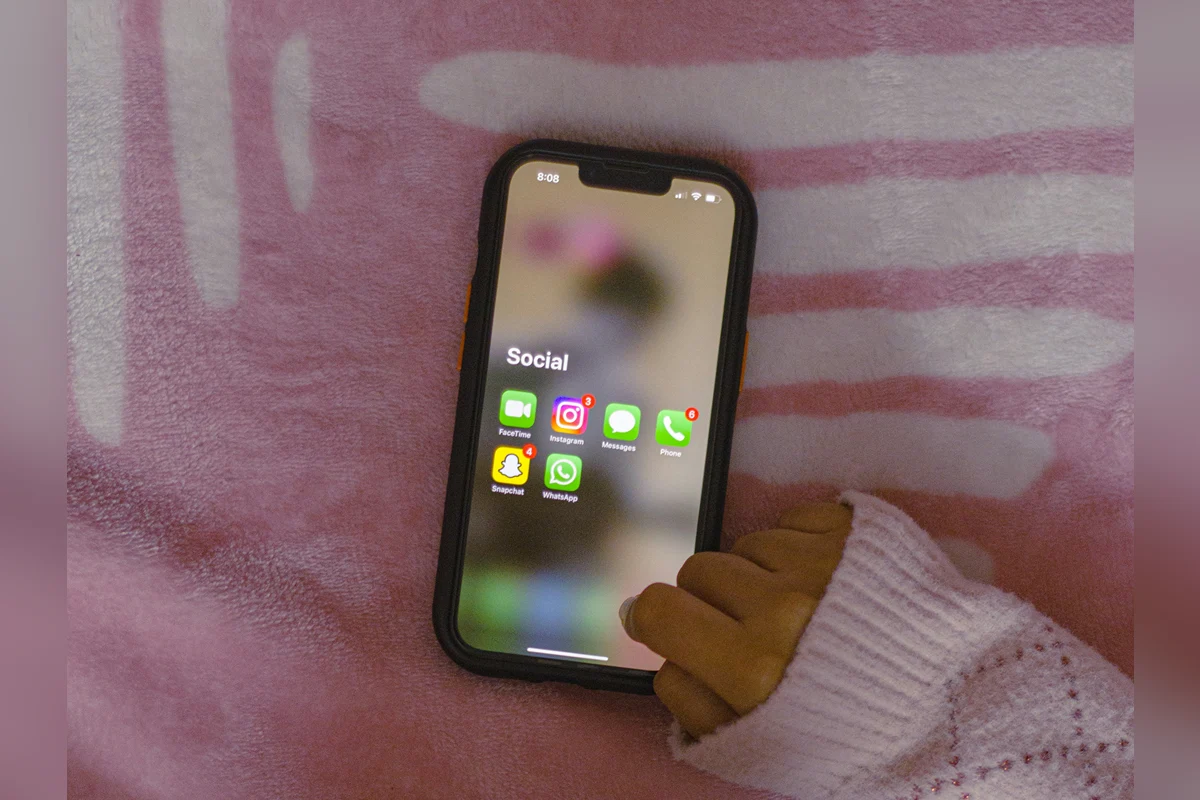
In Person vs Online Connections
We live in an era of constant contact. Our phones buzz with updates from group chats, work threads, and social feeds. We know what everyone is doing, where they ate, and how their day looked; sometimes in real time. And yet, many of us still feel quietly alone.
At Offline.now, we see this tension often: people are digitally close but emotionally distant. The issue isn’t a lack of connection, it’s a lack of depth. You can message someone all day and still feel unseen. That doesn’t mean your relationships are broken. It means the medium you’re using has limits. Let’s unpack why digital intimacy often feels thin, and how to rebuild the kind of closeness that actually nourishes you.
The “Screen Wall” Effect
Digital tools are excellent at maintaining loose ties. They help us stay in orbit with friends, family, and colleagues we might otherwise lose touch with. But research shows that when relationships rely too heavily on mediated interaction, they can start to feel fragile or shaky.
This is where the screen wall forms.
You may be physically next to someone: at dinner or on the couch yet feel shut out because their attention is pulled elsewhere. This phenomenon is often called phubbing (phone snubbing), and even small, repeated moments of divided attention can erode trust and emotional safety over time.
Digital detox research frames this as a search for authenticity: people consistently report that physical co-presence feels more “real” and emotionally grounding than screen-based interaction. As one insight captures it well—no emoji replaces a face (Syvertsen & Enli, 2020).
Why Text Can’t Carry Emotional Weight
Ever notice how a long text exchange can feel oddly unsatisfying compared to a short, in-person conversation? Face-to-face communication is rich because it includes tone, pacing, facial expression, eye contact, and immediate feedback. These cues help our nervous systems regulate and allow empathy to land. Text strips most of that away, leaving our brains to fill in the blanks often with anxiety or misinterpretation.
Digital interaction is efficient, but efficiency is not the same as intimacy.
Warm vs. Cold Connection
Not all online interaction is harmful. What matters is how it’s used.
Research distinguishes between passive (cold) use and active (warm) use of social platforms (Niu et al., 2025):
- Cold use: scrolling, lurking, liking without engagement
→ often linked to lower well-being and increased disconnection - Warm use: direct messages, meaningful check-ins, intentional communication
→ associated with greater belonging and emotional satisfaction
The problem isn’t being online, it’s substituting passive consumption for real interaction.
Three Simple Rituals for Real Intimacy
If you want more depth without abandoning digital life, try shifting from reactive habits to intentional rituals.
1. Upgrade the Channel
The cue: a text conversation turns emotional or complex
The shift: move to a voice note, call, or in-person conversation
Why it works: vocal tone restores emotional context and reduces misunderstanding
2. Trade Volume for Specificity
The cue: scrolling to feel connected
The shift: send one thoughtful message instead of many surface interactions
Why it works: targeted, warm communication builds closeness; passive use does not (Niu et al., 2025)
3. Protect Presence
The cue: shared time with someone you care about
The shift: make phones physically absent during meals or conversations
Why it works: removing the device removes the competition for attention and signals priority
A Gentle Reframe
You don’t need to be constantly available to be a good friend, partner, or family member. In fact, constant availability often makes presence harder. Choosing real intimacy over digital noise creates human connection. You’re not disconnecting from people. You’re reconnecting with the human parts of your relationships that screens can’t carry.
References
- Syvertsen, T., & Enli, G. (2020). Digital detox: Media resistance and the promise of authenticity. Convergence, 26(5–6), 1269–1283.
- Niu, X., et al. (2025). The development and validation of the extended active-passive social media use scale. Cyberpsychology: Journal of Psychosocial Research on Cyberspace.
*Disclaimer: Offline.now offers educational coaching tips, not medical or therapeutic advice; please consult a qualified health professional for personal, clinical or health concerns.*