The January Slump
t’s mid-January. The decorations are packed away, the lights are gone, and the calendar has gone quiet. What’s left can feel oddly colorless, like the volume on life has been turned down. If you’re struggling to find motivation, or reaching for your phone more than usual just to feel something, you’re not failing a resolution. You’re responding to a very real shift in brain chemistry.
This is the post-holiday dopamine drop. And once you understand what’s happening, you can support your nervous system without forcing yourself into a harsh “new year, new you” reset.
What Actually Causes the January Crash
The holiday season delivers constant novelty: social gatherings, rich foods, time off, decorations, anticipation. All of that stimulates dopamine; the neurotransmitter tied to motivation, reward, and forward momentum. When January arrives, that stimulation drops off sharply. Research suggests that sudden reductions in dopamine-rich experiences can leave us feeling flat, restless, or emotionally muted. Motivation dips. Pleasure feels harder to access. Even small tasks can feel disproportionately heavy. This isn’t a personal flaw. It’s your brain recalibrating after a period of heightened reward.
Why Your Brain Starts “Screen Seeking”
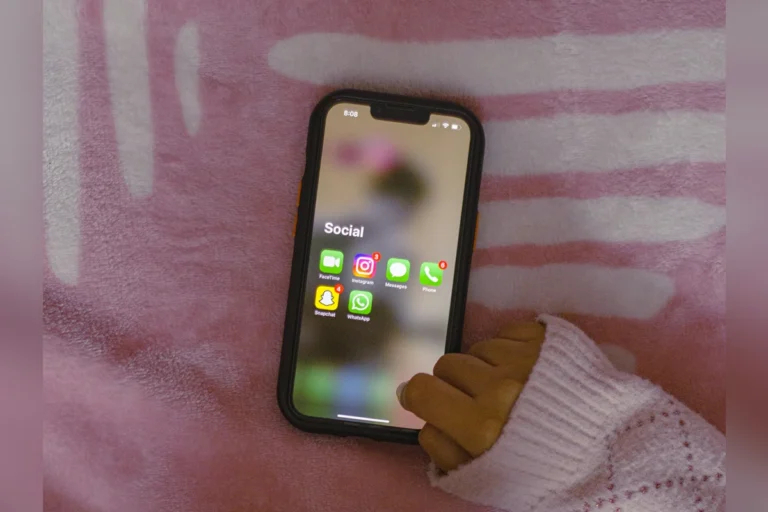
When dopamine levels dip, the brain naturally looks for fast relief. Enter the smartphone. Screens offer quick, predictable stimulation; novelty, movement, validation, distraction. From a neurobiological standpoint, this makes sense. Scrolling becomes a form of mood regulation, especially during periods of boredom or low emotional tone. This pattern is often described as Compensatory Internet Use: using digital content to offset discomfort, flatness, or stress.
The challenge is that screen-based dopamine is short-lived. Relief fades quickly, which can lead to longer scrolling sessions, increased mental fatigue, and a deeper sense of dissatisfaction afterward. You’re not weak for falling into this loop. Your brain is simply trying to rebalance itself with the tools it has.
Three Gentle Sensory Resets (No Willpower Required)
If January feels heavy, the goal isn’t restriction; it’s replacement. Instead of fighting the urge to scroll, offer your brain alternative sources of stimulation that are slower, steadier, and more regulating. Think curiosity before correction.
1. Move Just Enough
Physical movement is one of the most reliable ways to support dopamine, serotonin, and norepinephrine levels.
Try: When you feel flat or restless, stand up and move for two minutes. Stretch, pace, shake out your arms, or take a short walk. This isn’t exercise, it’s chemical support.
2. Let Nature Do Some of the Work
Natural environments restore attention and reduce mental fatigue in ways screens can’t.
Try: Step outside without your phone, even briefly. Look at the sky, a tree, or natural light reflecting on a surface. Let your eyes rest on something organic and uncurated.
3. Practice Micro-Savoring
January doesn’t need more stimulation, it needs more presence. Savoring helps your brain extract more reward from ordinary moments.
Try: Drink your coffee or tea without scrolling for two minutes for an easy daily habit. Notice temperature, smell, taste. This kind of focused sensory attention gently boosts emotional regulation.
A Softer Way Forward
If January feels dull or heavy, your brain isn’t broken. By offering small, sensory-rich experiences—movement, light, texture, warmth—you help smooth the dopamine dip without relying on endless scrolling or self-criticism.
This isn’t about pushing through the slump. It’s about meeting your nervous system where it is and giving it what it actually needs.
References
- Bryant, F. B., & Veroff, J. (2017). Savoring: A New Model of Positive Experience.
- Kardefelt-Winther, D. (2014). Computers in Human Behavior.
- Doskaliuk, B. (2023). Anti-Aging Eastern Europe.
- Weinstein, A., & Lejoyeux, M. (2020). Dialogues in Clinical Neuroscience.
*Disclaimer: Offline.now offers educational coaching tips, not medical or therapeutic advice; please consult a qualified health professional for personal, clinical or health concerns.*