Digital Declutter

Many arguments about phones in relationships go in circles: one partner feels ignored, the other feels criticized, and nothing really changes. The Later List is a simple shared ritual that helps interrupt that cycle. Instead of confronting the issue mid-scroll, couples jot concerns down and revisit them later when both people are calmer. This small structure reduces defensiveness, lowers conflict, and creates space for more honest conversations about connection and attention.
In a world of nonstop pings and endless feeds, it’s easy to feel overstimulated yet profoundly alone. Digital loneliness is the hidden cost of hyperconnectivity; constant online engagement that erodes real emotional connection. This article explores why being “always on” fuels stress, anxiety, and emotional fatigue, and how small, mindful “presence breaks” can help you unplug with purpose, rebuild focus, and rediscover the comfort of genuine, human connection.
If “just one more scroll” keeps turning into an hour you didn’t mean to spend, this hub is your guide to understanding and interrupting the cycle. You’ll learn the difference between doomscrolling, zombie scrolling, and micro-scrolling, why short-form feeds feel so addictive, and how your social media habits shape anxiety, comparison, and FOMO. With gentle, realistic tools not guilt or extremes; you’ll discover small shifts that help you reclaim focus, calm, and control.
Feeling mentally scattered or overstimulated? You might be experiencing cognitive load anxiety; the hidden stress of constant switching and information overload. This guide helps you recognize digital fatigue, uncover overwhelm triggers, and use simple reflection prompts to reclaim clarity and focus. Learn how to turn mental clutter into insight, build small daily wins, and move from feeling drained to feeling calm, capable, and in control of your attention.
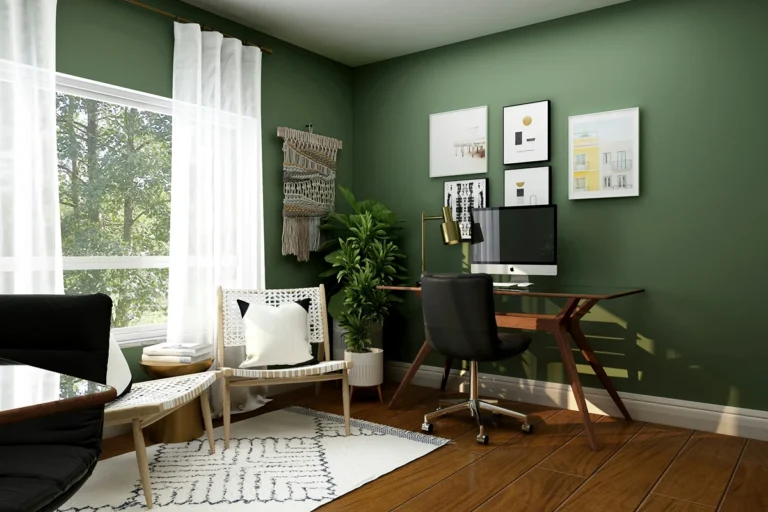
You’ve built motivation, now it’s time to make your space work for you. An environment upgrade turns discipline into design: shaping surroundings that make healthy digital habits effortless. By adding small friction points, like moving your phone out of the bedroom, and creating tech-free zones that signal rest and connection, you shift from willpower to flow. This reset isn’t restriction: it’s liberation. When your environment aligns with your intentions, calm and clarity become your new defaults.
Sunday evenings can feel like the week is already slipping away: emails, worries, and unfinished tasks crowding in. A Sunday reset changes that. By setting one intentional boundary; whether it’s a no-email rule after 6 p.m. or a screen-free ritual. You reclaim your evening and protect your energy for the week ahead. This simple planning ritual creates calm, prevents anxiety, and helps you start Monday with focus, balance, and the confidence that you’re in control.
Feeling crushed by constant pings and pop-ups? You’re not alone, notification stress is one of the biggest drivers of tech overwhelm. But relief is built right into your phone: Do Not Disturb (DND). Instead of a restriction, think of DND as your anxiety first aid kit; a quick, low-effort way to reclaim focus and calm. With small micro-experiments and simple “if-then” routines, you can build confidence, reduce overload, and feel more in control instantly.
Rest isn’t just about stopping it’s a skill you can train. In today’s hyperconnected world, digital rest is essential for focus, sleep, and mental health. By building intentional routines, setting boundaries, and practicing mindful disconnection, you can rewire your brain to truly log off. This guide explains why digital rest matters, how constant screen use drains energy, and the simple strategies that help remote workers, students, and professionals reclaim balance and prevent burnout.
Your online presence is part of your resume. Recruiters and employers often Google candidates before making decisions, and what they find can shape your opportunities. A digital footprint audit helps you clean up outdated content, secure old accounts, and showcase a professional image. This guide walks you through practical steps to search yourself, manage social media, and boost your online reputation, so your digital presence supports your career growth instead of holding you back.
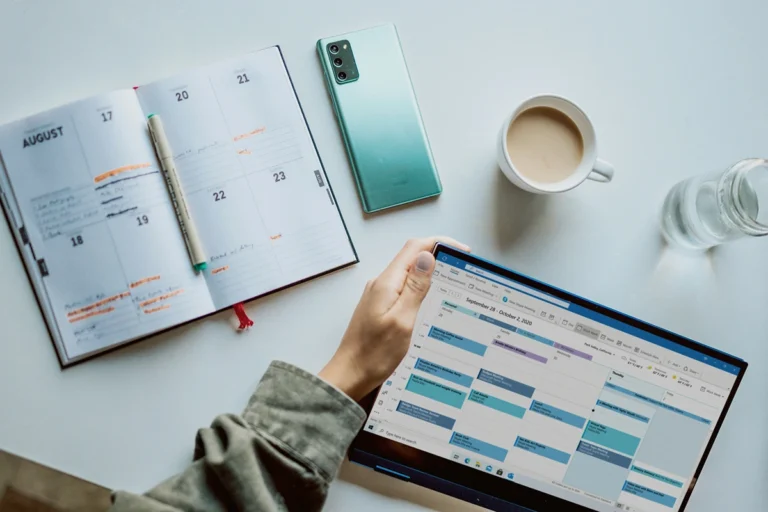
Is your calendar running your life instead of helping you manage it? In today’s always-on work culture, nonstop meetings and notifications can fuel stress, disrupt sleep, and drain focus. This guide unpacks the hidden cost of calendar anxiety and offers a simple solution: white-space planning. By intentionally leaving room to pause, reflect, and recharge, you can prevent burnout, sharpen your focus, and reclaim control of your time, one small block at a time.
Is your phone packed with 20,000 photos you never scroll? That silent stress is digital hoarding—cloud clutter that drains focus and sparks guilt. This post rewrites decluttering as self-care: clarify your “why,” nail quick wins like duplicate deletion and screenshot sweeps, mute non-essential notifications, and schedule device-free zones to stop new piles forming. Progress, not perfection, is the rule. Finish by creating a bite-size declutter checklist and start curating memories that actually matter.
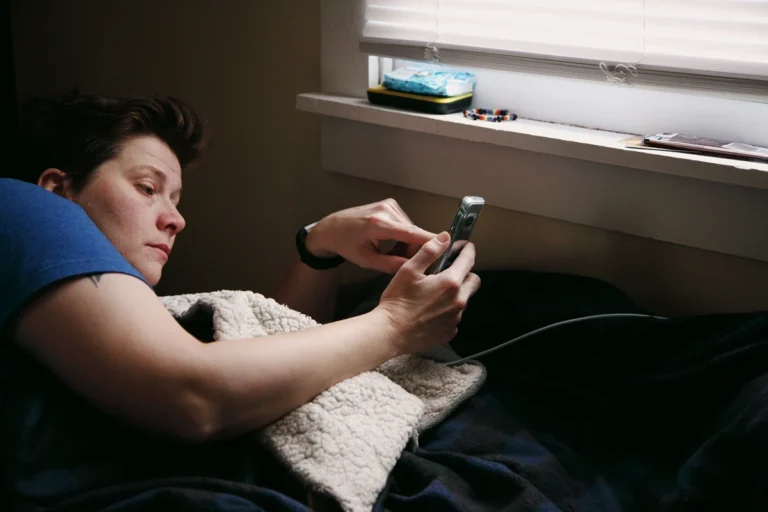
Still sleep with your phone in the room? That glowing rectangle floods your brain with blue light, suppresses melatonin, and tempts night-owls into 2 a.m. doomscrolls. Research says simply parking the device eight feet away can restore circadian rhythms, reduce anxiety, and deepen REM sleep. Our quick guide unpacks the science, shares stylish bedside-free alarm options, and offers micro-wins like a 30-minute pre-bed swap to help you wake clearer, calmer, and ready for real-world focus every day.
Online shopping is consuming - but your wallet (and well-being) don’t have to suffer. “Shop Less, Live More” breaks the doom-scroll-to-doorstep cycle with a science-backed, 7-step plan to reduce online shopping. Learn how 24-hour cool-off timers, ad-free inbox filters, and a 30-day no-buy challenge turn impulse clicks into mindful purchasing. We’ll show Millennials and Gen Z pros how to cut e-commerce spending, tame online shopping addiction, and swap retail therapy for richer offline joys-no guilt required.
Swap screen glare for sunshine this season. Our guide shares ten creative, budget-friendly digital-free summer activities that pull families and friends off the couch and into real-world connection. Hike at dawn, host a backyard game night, craft a film-camera photo walk, or declare a screen-free Sunday potluck - each idea sparks movement, laughter and genuine conversation while lowering stress and boosting sleep. Think of them as mini detoxes: small swaps that build a healthier relationship with tech.
News should inform you, not immobilize you. Yet constant alerts, live blogs, and doomscrolling create news fatigue - a mix of anxiety, distraction, and sheer mental drain. This guide shows you how to break the cycle without quitting headlines: curate just a few trusted sources, schedule two short check-ins a day, swap endless scrolling for summary digests, and reset with mindfulness or an offline hobby. Small, consistent tweaks transform the news from mood-killer to manageable part of a balanced media diet.
Your feed is more than filler - it’s fuel for your thoughts. Swap doomscroll fatigue for daily inspiration by curating your social media feed with intention. Mute or hide posts that spike anxiety, unfollow accounts that spark comparison, and actively like content that educates, uplifts, or makes you laugh. Each tap reshapes the algorithm, turning endless scrolls into positive social scrolling. Within days you’ll notice lighter moods, sharper focus, and a timeline that finally feels like your space.
Your alarm shouldn’t catapult you into email overload. Trade the reflexive scroll for a phone-free morning routine and watch the day transform. Research shows that spending even the first sixty minutes screen-free steadies cortisol, sharpens focus, and lifts mood. Instead of notifications, greet the dawn with journaling, gentle stretches, or a quiet cup of coffee. Within a week you’ll notice calmer thoughts, clearer priorities, and more intentional tech use - proof that one morning without phone can reset your whole day.
Endless highlight reels trigger FOMO, baiting you into hourly checks that drain joy. Time box feeds into two fifteen minute windows and mute non-critical notifications. Unfollow comparison traps, follow creators who inspire, and reroute boredom with three breaths or a walk. Run a daylong social detox each weekend, logging mood, focus, and sleep changes. When urge spikes, label it, thank it, let it pass. Intentional boundaries keep you connected calm and reclaim evenings for wins.
Desktop chaos silently taxes focus. Random installers, screenshots, and mystery docs spike cortisol and decision fatigue. In thirty minutes you’ll sweep every icon into a temp folder, delete duplicates, archive receipts, and sort keepers into five broad folders. A weekly five minute sweep plus download discipline keeps clutter from rebounding. Treat each drag to Trash as mindful practice - one file, one decision, one breath. Minimal screen equals maximal mental bandwidth, boosting productivity and calm.