Mental Health

Mental health is deeply influenced by our digital habits. Explore the connection between tech use and emotional well-being. Discover tips to improve mental health through mindful tech use and digital balance.

The debate about smartphones and mental health swings between alarm and dismissal. Both miss the real finding. The research is consistent on one thing: the phone is not the variable that matters. The pattern of use is. Here is what that distinction actually means - and how to use it to think more clearly about your own habits.
You are not using your phone right now. But you are probably still thinking about it. That background alertness has a name, a mechanism, and a direct pathway to mental health decline - and it has nothing to do with how many hours you log on screen. Here is what the research actually shows about online vigilance, why stress is the real variable, and what that means for what you should try next.
Loneliness among young adults is rising - and the advice about what to do about it is heavy on app recommendations and light on evidence. A major systematic review offers a clearer picture: some digital approaches genuinely help, but the type and quality of interaction matters far more than the medium. Here is what the research actually shows.
Most debate about gaming addiction swings between alarm and dismissal. The research offers something more useful: a precise clinical distinction between heavy use and addictive use, measurable markers that tell them apart, and honest prevalence data that sizes the risk accurately. Here is what the evidence actually shows.
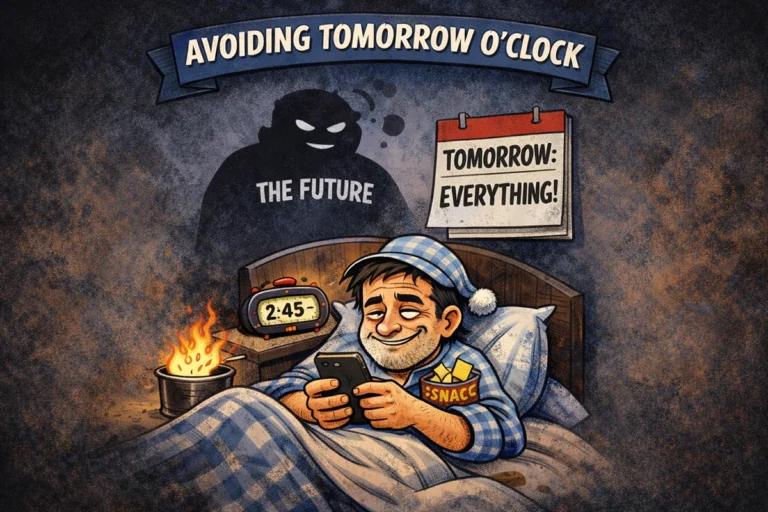
Late-night doom scrolling isn’t really about the phone—it’s about exhaustion, unfinished tasks, and an ADHD brain searching for relief. When the day feels overwhelming and nothing feels complete, endless scrolling offers easy stimulation without expectations. This post explores why burnout and ADHD make nighttime scrolling so common, and how small daytime shifts—like visible task completion and planned endings—can help your brain finally power down instead of staying stuck in the scroll.
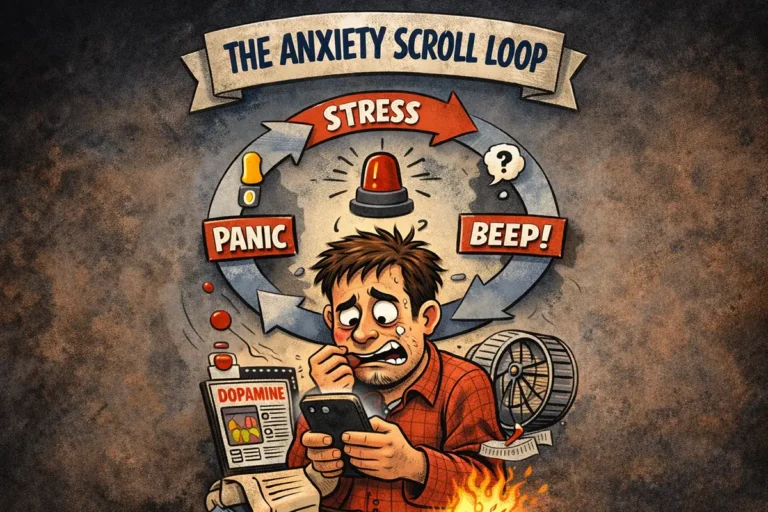
Doom scrolling doesn’t calm anxiety—it intensifies it. For ADHD brains, scrolling can become a regulation loop where fear sharpens focus and activation gets mistaken for relief. By the time you want to stop, executive function is already offline. This post explains why restriction alone fails and why the real solution is sequence: regulate your nervous system first, then redirect the behavior. It’s not a discipline problem—it’s a regulation one.
Late-night symptom searching often starts with reassurance and ends in panic. When uncertainty meets endless medical content, anxious brains fixate on worst-case explanations—a pattern known as cyberchondria. Fatigue, doomscrolling, and reduced self-control at night make the spiral worse, not better. This piece explains why “just Googling it” backfires and offers a gentle Pause and Ground approach to interrupt the loop, protect your nervous system, and regain calm without ignoring your health.
Winter mornings often start with a phone, not the sun. While scrolling may feel like a wake-up ritual, blue light and reactive content can overstimulate your nervous system before the day begins. This post explores why swapping screens for real light, gentle movement, and sensory grounding can lift mood and restore calm. Learn how small morning shifts not rigid routines support winter wellness and sustainable digital balance.
If you have ADHD, rest can feel strangely uncomfortable—even guilt-inducing. You may be exhausted, yet unable to stop, reaching for your phone instead of truly recharging. This isn’t laziness; it’s neurobiology. ADHD brains struggle to shift from “go mode” to rest, and digital scrolling often becomes a poor substitute for real recovery. This article reframes rest as a regulation strategy, offering gentle, science-backed recovery rituals for guilt-free downtime.
Mid-January can feel strangely flat once the holiday buzz fades. Motivation dips, scrolling increases, and life can feel muted—not because you’ve failed, but because your brain is recalibrating after a dopamine-rich season. This post explains the January slump through a nervous system lens and offers gentle, sensory resets that support mood and energy without willpower, pressure, or a forced “new year” overhaul.
A few weeks into the new year, motivation often fades and stress quietly takes its place. This post explores why traditional resolutions burn us out, how habit fatigue affects the nervous system, and why it’s not a discipline problem. With research-backed insights and a simple 48-hour reset approach, you’ll learn how to step off the pressure loop, regain clarity, and create sustainable change without forcing a “new you.”
After recovering from paralysis, Amanda Campbell noticed a pattern among burned-out leaders: they’d tried every strategy, yet their bodies still wouldn’t let them rest. This post explains why burnout isn’t a mindset problem, but a somatic one—and how the THRIVE program was designed to rebuild resilience by addressing the nervous system, stored stress, and the physical realities of digital overload, not just productivity habits.
I once believed my colour-coded calendar proved I had elite time-management skills until divorce, job loss, and a global shutdown handed me empty evenings I didn’t know how to fill. With no distractions left, I realized I wasn’t managing time; I was stuffing it to avoid asking harder questions. As screen time crept in to replace the chaos, I had to face what I was really chasing and what I actually wanted from my newly reclaimed hours.
In a world of nonstop pings and endless feeds, it’s easy to feel overstimulated yet profoundly alone. Digital loneliness is the hidden cost of hyperconnectivity; constant online engagement that erodes real emotional connection. This article explores why being “always on” fuels stress, anxiety, and emotional fatigue, and how small, mindful “presence breaks” can help you unplug with purpose, rebuild focus, and rediscover the comfort of genuine, human connection.
Sharing a home with ADHD means navigating more than forgotten chores; it’s learning to communicate across different brain styles. In neurodiverse relationships, emotional intensity, disorganization, and overwhelm can strain even the strongest bonds. This post helps couples replace blame with curiosity, strengthen empathy, and create shared structure that supports both partners. Learn how small shifts: like asking better questions and setting clear, time-bound systems. This can turn daily chaos into connection and collaboration.
Being “Ready” isn’t about perfection, it’s about trust, momentum, and curiosity. You’ve moved past hesitation and into action, guided by self-efficacy; the belief that you can follow through. This confidence fuels consistency, helping you adapt instead of burn out. By aligning with your Ideal Self and setting intentional, flexible structures, you transform digital habits into harmony. Readiness thrives on reflection, not rigidity: each mindful choice strengthens the rhythm of a confident, balanced digital life.
In a world where every scroll feels like a performance review, it’s easy to confuse self-worth with digital validation. Comparison fatigue creeps in as polished feeds and curated lives whisper, “You’re not enough.” But confidence isn’t built on likes, it’s reclaimed through presence. By setting small digital boundaries, reconnecting with authentic offline moments, and redefining success beyond screens, you can quiet the noise and rediscover the steady confidence that was always yours.
If “just a minute” on your phone turns into forty-five, Offline.now: A Practical Guide to Healthy Digital Balance is for you. Drawing from years spent shaping online communities - and a personal ADHD journey. This book introduces the Offline.now Matrix, a simple self-check to help you start small and stay balanced. With bite-sized chapters, practical steps, and zero guilt, it’s your roadmap to reclaim focus and reconnect with real life, one mindful moment at a time.
Sunday evenings can feel like the week is already slipping away: emails, worries, and unfinished tasks crowding in. A Sunday reset changes that. By setting one intentional boundary; whether it’s a no-email rule after 6 p.m. or a screen-free ritual. You reclaim your evening and protect your energy for the week ahead. This simple planning ritual creates calm, prevents anxiety, and helps you start Monday with focus, balance, and the confidence that you’re in control.
When you feel stuck, even small changes can seem impossible. That’s why the first step isn’t cutting back it’s simply noticing. By paying attention to tiny screen-free moments, you break autopilot and create small but powerful “wins.” This gentle practice of mindful noticing proves you can take control without pressure or guilt. Over time, these micro-moments build confidence, ease self-doubt, and become your personal digital reset button a way back to focus, meaning, and calm.
Remote work makes it harder than ever to switch off and many employees fear that saying no means falling behind. This constant pressure creates digital boundaries stress, draining focus and fueling burnout. The solution isn’t disconnection, but intentional, proactive boundary setting. With simple scripts, micro-routines, and smart tech use, you can communicate limits without guilt, protect your well-being, and still deliver high-quality results. Boundaries aren’t resistance, they’re the foundation of sustainable performance.
Feeling overwhelmed by endless scrolling? A social media cleanse can help you reset without going cold turkey. Our 30-day calendar gives you one small, achievable challenge each day from turning off notifications to creating app-free zones that builds confidence and reduces stress. By stacking these “tiny wins,” you’ll experience a gradual dopamine reset, improve focus, and reclaim time for what matters most. Start your journey toward digital balance.
Fitness tracking can be a powerful tool but when every step, heartbeat, and sleep cycle is measured, the numbers can start to own you. Instead of boosting motivation, constant monitoring often fuels stress, sleep tracking anxiety, and wearable overload. This post explores when tracking crosses the line from helpful to harmful, and how to reset with mindful strategies that protect your focus, rest, and overall well-being while still reaping the benefits of technology.
Digital wellness tools from screen-time apps to hybrid coaching platforms are reshaping how we manage focus, sleep, and mental health. While early evidence shows promise, questions remain about long-term impact, equity, and privacy. This review highlights what works, where risks lie, and why hybrid approaches offer the most balanced path forward. With clear research gaps and urgent policy needs, the future of healthy tech boundaries depends on evidence-driven action across academia, industry, and regulation.
Time blindness is a common yet often misunderstood challenge for individuals with ADHD. It goes beyond poor time management: impacting focus, planning, and emotional regulation. The ADHD brain naturally gravitates toward immediate stimulation, making delayed rewards difficult to conceptualize. Research highlights that effective support requires a multifaceted approach, blending cognitive, behavioral, psychological, and environmental strategies. By reframing time perception and building layered systems, individuals with ADHD can better manage productivity and daily routines.
Do constant pings, buzzes, and pop-ups keep hijacking your attention? You’re not alone. Notifications are designed to pull you in but they also fuel stress, anxiety, and distraction. This guide explores why alerts feel overwhelming, how they impact your brain, and practical ways to quiet the noise. From mastering Do Not Disturb settings to creating tech-free zones, you’ll learn simple, sustainable strategies to reduce digital overwhelm, protect your focus, and take back control of your time and peace of mind.
Autoplay’s countdown makes “just one more” the default. To limit binge watching without losing the fun, pre-decide an episode cap, disable autoplay, and pair the end of each session with an offline reward (tea, journaling, stretch). Stand up at every credit roll and ask, “Am I still watching by choice?” Host short watch-parties for social benefit, and keep the day’s first/last 30 minutes screen-free. These tiny, evidence-backed tweaks transform marathon nights into mindful, guilt-free streaming.
Gaming addiction can sneak up fast when ADHD meets endless dopamine loops. This post explains why hyperfocus, impulsivity, and stress escape make controllers hard to drop, then guides you through a five-step recovery: track triggers, set play-windows, create tech-free zones, swap games for exercise, add mindful pauses, and recruit accountability. Learn the red flags, know when to call professionals, and reclaim balance without quitting play forever. Start mapping your patterns tonight.
Power struggles over tablets drain family peace; a written tech pact turns tension into teamwork. Gather everyone, list shared values like sleep, homework, and laughter, then co-create clear rules on apps, timing, and bedroom screens. Sign, post on fridge, and check wins every Friday, adjusting one clause together. Add a charging basket at dinner, 25-5 homework timers, and praise streaks instead of scolding slips. Kid-approved boundaries build lifelong digital balance and lighter evenings for everyone.
Instagram Reels flood your brain with endless novelty, fast swipes, and algorithmic rewards, making focus vanish. If you lose time, feel jittery without the app, or scroll during tasks, you’re edging toward compulsive use. This guide breaks the loop with a four step plan: log every scroll trigger, silence push alerts, set daily caps, and run weekend uninstalls. Mindful viewing plus dopamine detox swaps Reels for real life rewards so attention, sleep, and mood rebound.
Digital minimalism tips help motivated users move from basic hygiene to deep focus. Start by hard uninstalling your top three mindless apps, then batch check notifications at 9, 1, and 5. Guard mornings and meals as phone free zones and schedule one 24 hour digital free sprint each month. Turning off every alert except VIP calls plus nightly analog hobbies lowers cortisol and restores attention. Intentional curation proves tech serves values, not reflex scrolling loops.
Mindfulness exercises fit even the busiest calendar when they take five minutes or less. This toolkit delivers five micro practices: a one-minute breath reset, mindful scrolling check before feeds, two-minute body scan, single-breath transition between tasks, and quick gratitude text. Anchor each to an existing routine - coffee, email, meeting wrap - to avoid overload. Consistency compounds into calmer mood and sharper focus. Choose one exercise today, set a calendar ping, and start building resilience now.