Unplugged

Living unplugged means stepping away from screens to reconnect with yourself and the world around you. Explore the benefits of unplugging your phone, reducing tech overload, and creating space for clarity and calm.

If you’ve tried every digital wellness strategy and still feel restless, anxious, or unable to unplug, the problem isn’t your willpower—it’s your nervous system. In this powerful guest post, resilience coach Amanda Campbell shares how her recovery from paralysis revealed a deeper truth: your body must feel safe before it can disconnect. Through her BAMBOO Method and years of coaching burned-out leaders, she explains why strategies don’t stick and how real resilience begins in the body, not the mind.
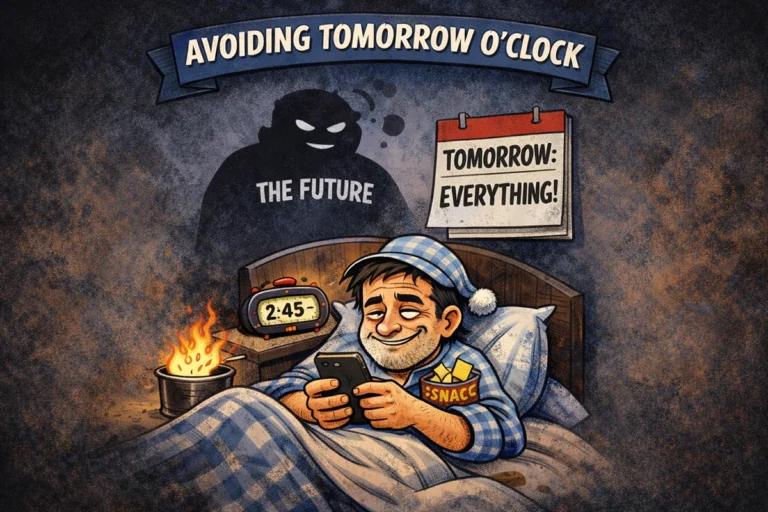
If you’ve ever opened your phone to “check one thing” and resurfaced an hour later wondering what just happened, you’re not alone. Digital Balance 101 is your gentle, practical guide to creating a healthier relationship with your screens. Learn how to identify your current habits, understand why your phone feels so sticky, and explore small, realistic steps that help you feel calmer, more present, and back in control of your attention.
In a world of constant distraction, true presence has become a rare skill. Mindful connection isn’t about rejecting technology; it’s about reclaiming your attention. This post explores how intentional tech habits, single-task focus, and deep listening rebuild emotional presence and relational flow. Learn simple rituals: like phone-free meals and mindful check-ins that help you slow down, listen fully, and rediscover the joy of being truly with people, not just near them.
Feeling uneasy when you turn on Do Not Disturb? You’re not alone. Constant connectivity has trained us to equate availability with worth, creating guilt whenever we step away. This article reframes DND mode as self-protection; a deliberate act of self-regulation that safeguards focus, rest, and authenticity. Learn how to manage availability pressure, reduce emotional fatigue, and use boundary scripts to reclaim your calm without apology or anxiety.
Feeling stretched thin and constantly plugged in? You don’t need a full digital detox to reclaim calm. This post introduces the one-step weekly boundary; a gentle, realistic way to reduce overwhelm and regain focus. Learn how to set a simple phone-free routine, align it with your values, and use quick reflection prompts to stay consistent. One mindful boundary a week can rebuild confidence, balance, and digital clarity.
Sunday evenings can feel like the week is already slipping away: emails, worries, and unfinished tasks crowding in. A Sunday reset changes that. By setting one intentional boundary; whether it’s a no-email rule after 6 p.m. or a screen-free ritual. You reclaim your evening and protect your energy for the week ahead. This simple planning ritual creates calm, prevents anxiety, and helps you start Monday with focus, balance, and the confidence that you’re in control.
When you feel stuck, even small changes can seem impossible. That’s why the first step isn’t cutting back it’s simply noticing. By paying attention to tiny screen-free moments, you break autopilot and create small but powerful “wins.” This gentle practice of mindful noticing proves you can take control without pressure or guilt. Over time, these micro-moments build confidence, ease self-doubt, and become your personal digital reset button a way back to focus, meaning, and calm.
Fitness tracking can be a powerful tool but when every step, heartbeat, and sleep cycle is measured, the numbers can start to own you. Instead of boosting motivation, constant monitoring often fuels stress, sleep tracking anxiety, and wearable overload. This post explores when tracking crosses the line from helpful to harmful, and how to reset with mindful strategies that protect your focus, rest, and overall well-being while still reaping the benefits of technology.
Social media can connect, educate, and even support well-being, but only if you use it with intention. Without limits, the very tools that bring us closer can also fuel anxiety, overload, and self-doubt. The positive effects of social media are real, but they vanish when scrolling becomes compulsive. This guide shows you how to practice mindful digital use, curating your feed, setting boundaries, and staying self-aware so you can keep the benefits without slipping into the risks.
Boredom isn’t wasted time, it’s your creativity engine. When you stop filling every lull with screens, the brain shifts into default mode daydreaming, where ideas collide and insights surface. This post reframes boredom as a healthy pause, unpacks the science of mind-wandering and creative incubation, and offers five micro-detox tactics from scheduled no-scroll moments to analog hobbies. Use your journal and turn idle minutes into spark sessions that revive focus and imagination every single day again.