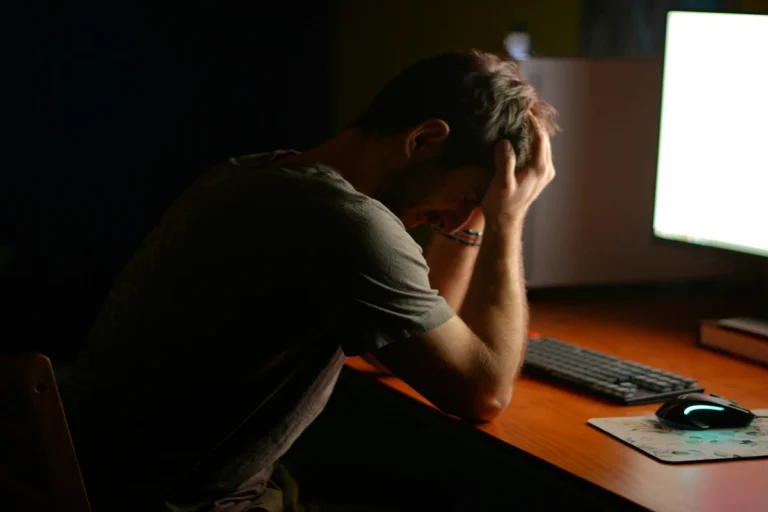
What Kinesiology Revealed About Digital Burnout
As a kinesiologist, I use muscle testing to identify stress, imbalances, and blockages in the body’s energy systems. When I work with leaders dealing with digital overwhelm—especially those in Eli’s world of neurodivergent, high-performing professionals—here’s what I typically find:
The Physical Patterns
Chronic Activation:
- Shallow chest breathing instead of deep diaphragmatic breathing (classic fight-or-flight pattern)
- Jaw clenching, often unconscious and constant during screen time
- Shoulder and neck rigidity from both laptop posture and stress holding
- Digestive shutdown (your body can’t “rest and digest” when it’s in “fight or flight”)
Nervous System Stuck in Overdrive:
- Inability to downregulate even when trying to rest
- Hypervigilance that manifests as constantly scanning for threats (which in modern life means notifications)
- Sleep disruption—either can’t fall asleep or wake at 3 AM with racing thoughts
- Physical restlessness that drives compulsive checking behaviors
Energy Depletion:
- Adrenal exhaustion from years of operating in crisis mode
- Immune system suppression (getting sick more frequently)
- Loss of resilience (small problems feel overwhelming)
- Constant low-level fatigue that no amount of coffee can fix
What Most People Miss
Here’s the tricky part: Your body knows you’re burned out long before your mind admits it.
Most leaders I work with are shocked when kinesiology reveals just how much stress they’re carrying. They think they’re managing fine because they’re still functional. But their bodies are screaming.
And here’s the critical connection to your digital struggles:
When your nervous system is chronically activated, reaching for your phone isn’t just a habit—it’s your body looking for something to do with the activated energy.
Your body is wired to respond to threats. In our ancestral environment, those threats required physical action. But in the modern world, the “threats” are emails, notifications, and digital demands that keep you mentally activated but physically still.
So you reach for your phone because your body needs an outlet for the activation. You check compulsively because your nervous system is in “seeking” mode and can’t downregulate.
This is why behavioral strategies alone often fail. You’re fighting a nervous system that’s been hijacked by chronic digital stimulation.
The BAMBOO Method: Learning to Bend Without Breaking
After my recovery from paralysis, I spent years studying what actually creates sustainable resilience. Not the “grit your teeth and push through” kind. The flexible, sustainable kind.
I kept coming back to bamboo.
Bamboo survives the fiercest storms not by being rigid, but by being flexible. It bends dramatically in the wind—sometimes nearly horizontal—but it doesn’t break. It has hollow chambers that reduce weight while maintaining strength. It’s incredibly resilient precisely because it knows how to yield.
This became the foundation of my work: the BAMBOO Method.
B – Breathe: Regulation starts with restoring full, diaphragmatic breathing. Most chronically stressed leaders are shallow chest-breathers, which keeps the nervous system in activation mode and makes digital cravings worse.
A – Align: Physical alignment affects mental clarity. When your body is misaligned from hours at screens, it creates pain. Pain creates stress. Stress makes you seek relief through digital dopamine hits. It’s a vicious cycle.
M – Move: Strategic movement throughout your day provides healthy dopamine that satisfies your brain’s seeking drive without the negative consequences of digital overuse.
B – Balance: Through kinesiology and energy work, I help restore balance to your nervous system, making it easier to make conscious choices about technology rather than compulsive ones.
O – Open: Emotional and psychological openness to new ways of working—releasing the identity of “always-on leader” and opening to sustainable success.
O – Optimize: Finally, optimizing your entire system—physical, mental, emotional, energetic—for sustainable high performance.
Why Neurodivergent Leaders Need This Even More
If you’re working with Eli at Offline.now, chances are you might be neurodivergent—particularly if you have ADHD. And here’s something I’ve learned working with many neurodivergent clients:
Your nervous system likely operates differently at baseline.
Many neurodivergent individuals live with chronic nervous system dysregulation. They’ve never actually experienced what a regulated nervous system feels like. So when we ask them to “just relax” or “be present,” they literally don’t know how.
Add digital overstimulation on top of that baseline dysregulation, and you get:
- Heightened susceptibility to notification addiction
- Physical restlessness that drives checking behaviors
- Difficulty with interoception (sensing what your body needs)
- Compulsive seeking behaviors that digital platforms exploit
The ADHD brain’s dopamine deficit means you’re seeking more stimulation. The neurodivergent nervous system’s baseline activation means you’re already operating closer to overwhelm. Digital environments exploit both of these vulnerabilities.
This is where somatic work becomes essential—not just helpful, but essential.
About Amanda Campbell
Amanda Campbell is a CEO Resilience Coach, Sports Kinesiologist, Author and keynote speaker & Founder of Bend Like Bamboo, a Melbourne-based wellness practice. After recovering from paralysis at age 29, Amanda has been in remission for 16 years and now helps high-performing leaders avoid the burnout she understands intimately.
She operates two main programs:
- HEAL: For individuals with chronic symptoms and autoimmune conditions
- THRIVE: For executives and CEOs experiencing burnout
Using her signature BAMBOO Method combining resilience training with kinesiology, Amanda has worked with organizations including Lululemon, Mind Australia, Australia Post, and Minter Ellison. She also hosts the Bend Like Bamboo Resilience Podcast featuring conversations with leaders about building sustainable resilience.
Connect with Amanda:
- Website: www.bendlikebamboo.com
- Learn about THRIVE: www.bendlikebamboo.com/thrive
- Podcast: Bend Like Bamboo Resilience Podcast
*Disclaimer: Offline.now offers educational coaching tips, not medical or therapeutic advice; please consult a qualified health professional for personal, clinical or health concerns.*