Blog
Welcome to the Offline.now Blog - your trusted resource for navigating digital detox and reclaiming balance.
Explore daily insights into managing phone stress, reducing screen time, curbing doomscrolling, and practical digital wellness strategies. Let our science-backed tips and expert advice empower you to build a healthy relationship with technology.
Feeling drained by endless scrolling? You’re not alone. Platforms like TikTok and Reels are designed to hijack your attention, fragmenting focus and fueling digital fatigue. This post introduces a simple fix: the 15-minute media swap. Replace reactive scrolling with intentional, long-form content: a book, a podcast, a meaningful article. With mindful media choices, you can rebuild focus, reclaim calm, and shift from dopamine-driven distraction to deep, intentional attention.
Sharing a home with ADHD means navigating more than forgotten chores; it’s learning to communicate across different brain styles. In neurodiverse relationships, emotional intensity, disorganization, and overwhelm can strain even the strongest bonds. This post helps couples replace blame with curiosity, strengthen empathy, and create shared structure that supports both partners. Learn how small shifts: like asking better questions and setting clear, time-bound systems. This can turn daily chaos into connection and collaboration.
Self-trust is what transforms readiness into real change. It’s built not through intensity, but through integrity; keeping small promises to yourself until consistency becomes confidence. Each micro-win reinforces the belief, “I can rely on myself.” By creating simple, repeatable rules—like phone-free mornings or nightly tech cutoffs, you replace willpower with rhythm. Over time, these habits become second nature, turning motivation into momentum and self-trust into the foundation of lasting digital balance.
When motivation is high but confidence feels shaky, you’re standing on the bridge between Overwhelmed and Ready. Real change begins here, not by pushing harder, but by building trust in yourself through small, compassionate steps. Each micro-win: turning off notifications, setting a five-minute tech-free ritual builds belief and balance. As guilt gives way to grounded progress, you move from emotional exhaustion to calm consistency, transforming digital change from effort into ease.
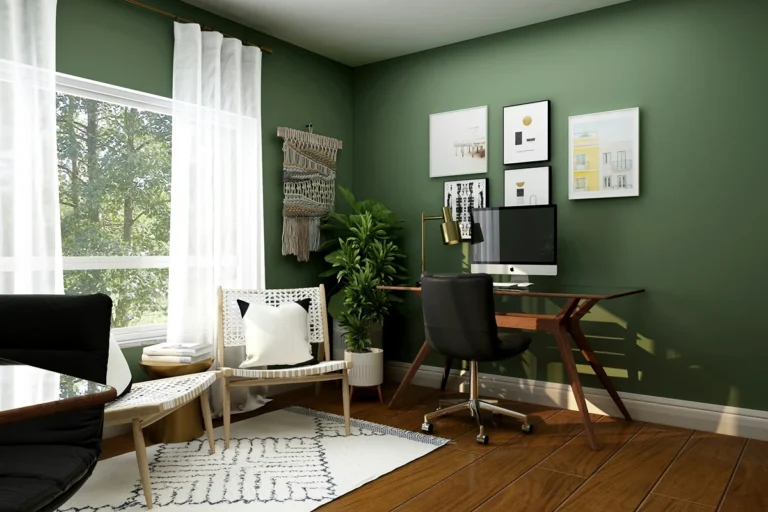
You’ve built motivation, now it’s time to make your space work for you. An environment upgrade turns discipline into design: shaping surroundings that make healthy digital habits effortless. By adding small friction points, like moving your phone out of the bedroom, and creating tech-free zones that signal rest and connection, you shift from willpower to flow. This reset isn’t restriction: it’s liberation. When your environment aligns with your intentions, calm and clarity become your new defaults.
Being “Ready” isn’t about perfection, it’s about trust, momentum, and curiosity. You’ve moved past hesitation and into action, guided by self-efficacy; the belief that you can follow through. This confidence fuels consistency, helping you adapt instead of burn out. By aligning with your Ideal Self and setting intentional, flexible structures, you transform digital habits into harmony. Readiness thrives on reflection, not rigidity: each mindful choice strengthens the rhythm of a confident, balanced digital life.

In a world where every scroll feels like a performance review, it’s easy to confuse self-worth with digital validation. Comparison fatigue creeps in as polished feeds and curated lives whisper, “You’re not enough.” But confidence isn’t built on likes, it’s reclaimed through presence. By setting small digital boundaries, reconnecting with authentic offline moments, and redefining success beyond screens, you can quiet the noise and rediscover the steady confidence that was always yours.
If your weekends feel more like overtime than rest, it’s time to set boundaries. The “always-on” culture fuels exhaustion and burnout, but digital rest can help you recover. By setting clear weekend boundaries—like a tech-free bedroom, a phone-free meal, or a planned unplug block—you reclaim focus and energy. These small, intentional rituals protect your attention, reduce stress, and remind you that rest isn’t a reward—it’s a reset for the week ahead.
Tired of chaotic mornings and restless nights? A simple change: moving your phone out of the bedroom can transform your family’s energy and focus. Research shows that blue light and late-night scrolling disrupt sleep and self-control. Creating phone-free mornings builds healthier bedtime boundaries, reduces digital clutter, and helps families reconnect. This small environmental upgrade brings calm, clarity, and presence back to your mornings - no drastic detox required, just a bedside reset that actually works.
We’re public. The Offline.now Digital Wellness Directory is live - and open to listings. No commission. You own the client relationship. SEO-optimized profiles with deep specialties and filters. Therapists, coaches, social workers, addiction specialists, and counsellors: get discovered for what you actually do - ADHD + screens, doomscrolling, family tech conflict, online dating burnout, notification anxiety. Start a 60-day free trial, then $25/mo or $200/yr. Create your profile in minutes; we verify and publish quickly. Join today. Get listed.
Feeling wiped out after endless Zoom calls? You’re not alone. Zoom fatigue is a unique kind of digital exhaustion caused by constant visibility and cognitive overload. The pressure to stay camera-ready blurs work–life boundaries and drains focus. The good news: simple boundaries can help. Learn how camera-optional meetings, focus blocks, and asynchronous tools reduce video call stress, rebuild attention, and make remote work feel human again—without sacrificing connection.
If “just a minute” on your phone turns into forty-five, Offline.now: A Practical Guide to Healthy Digital Balance is for you. Drawing from years spent shaping online communities - and a personal ADHD journey. This book introduces the Offline.now Matrix, a simple self-check to help you start small and stay balanced. With bite-sized chapters, practical steps, and zero guilt, it’s your roadmap to reclaim focus and reconnect with real life, one mindful moment at a time.
The Single Room Rule is a behaviorally informed strategy to reduce phone dependency by designating a single space for device use. Grounded in habit science and digital wellness research, this method minimizes environmental triggers, boosts self-regulation, and encourages intentional tech use. Ideal for parents, professionals, and students alike, this practical approach helps you reclaim attention, improve sleep, and foster real-world connection without relying on willpower alone. A small boundary that yields measurable psychological benefits.
Phones hand out dopamine on demand, perfect for ADHD brains, but brutal for productivity. If “just five minutes” of scrolling morphs into an hour, try these four research-backed shifts. Swap self-blame for ADHD coaching that builds planning skills and self-compassion; lean on uncluttered digital tools and a no-login ChatBot for gentle nudges; reset with a quick walk to boost executive function; and stack tiny “micro-wins” like answering one text. Progress, not perfection, rewires phone habits and your day.
Is your phone packed with 20,000 photos you never scroll? That silent stress is digital hoarding—cloud clutter that drains focus and sparks guilt. This post rewrites decluttering as self-care: clarify your “why,” nail quick wins like duplicate deletion and screenshot sweeps, mute non-essential notifications, and schedule device-free zones to stop new piles forming. Progress, not perfection, is the rule. Finish by creating a bite-size declutter checklist and start curating memories that actually matter.
Ever yanked out your phone after a phantom buzz only to find silence? That eerie misfire is phantom vibration syndrome - your brain’s sensorimotor wiring glitching after constant notifications. This post unpacks how prediction-error loops and dopamine-driven checking habits create phantom phone sensations, then delivers five coach-style micro-wins: relocate the device, switch vibration patterns, run a body-scan reset, schedule no-buzz blocks, and try a weekly bag-carry challenge. Quiet the “ghost buzz” and reclaim calm focus.
A digital-free vacation rewires how you travel. Swapping smartphones for simple paper maps and face-to-face chats lowers cortisol, lifts mood, and lets your senses register every sea breeze and street melody. This guide walks you through setting clear tech boundaries, choosing unplugged destinations, and packing analog backups like film cameras and guidebooks. With screen-free travel tips for families and solo adventurers alike, you’ll return home rested, re-connected, and rich with real memories worth sharing offline.
Still sleep with your phone in the room? That glowing rectangle floods your brain with blue light, suppresses melatonin, and tempts night-owls into 2 a.m. doomscrolls. Research says simply parking the device eight feet away can restore circadian rhythms, reduce anxiety, and deepen REM sleep. Our quick guide unpacks the science, shares stylish bedside-free alarm options, and offers micro-wins like a 30-minute pre-bed swap to help you wake clearer, calmer, and ready for real-world focus every day.