Blog
Welcome to the Offline.now Blog - your trusted resource for navigating digital detox and reclaiming balance.
Explore daily insights into managing phone stress, reducing screen time, curbing doomscrolling, and practical digital wellness strategies. Let our science-backed tips and expert advice empower you to build a healthy relationship with technology.
Ever yanked out your phone after a phantom buzz only to find silence? That eerie misfire is phantom vibration syndrome - your brain’s sensorimotor wiring glitching after constant notifications. This post unpacks how prediction-error loops and dopamine-driven checking habits create phantom phone sensations, then delivers five coach-style micro-wins: relocate the device, switch vibration patterns, run a body-scan reset, schedule no-buzz blocks, and try a weekly bag-carry challenge. Quiet the “ghost buzz” and reclaim calm focus.
A digital-free vacation rewires how you travel. Swapping smartphones for simple paper maps and face-to-face chats lowers cortisol, lifts mood, and lets your senses register every sea breeze and street melody. This guide walks you through setting clear tech boundaries, choosing unplugged destinations, and packing analog backups like film cameras and guidebooks. With screen-free travel tips for families and solo adventurers alike, you’ll return home rested, re-connected, and rich with real memories worth sharing offline.
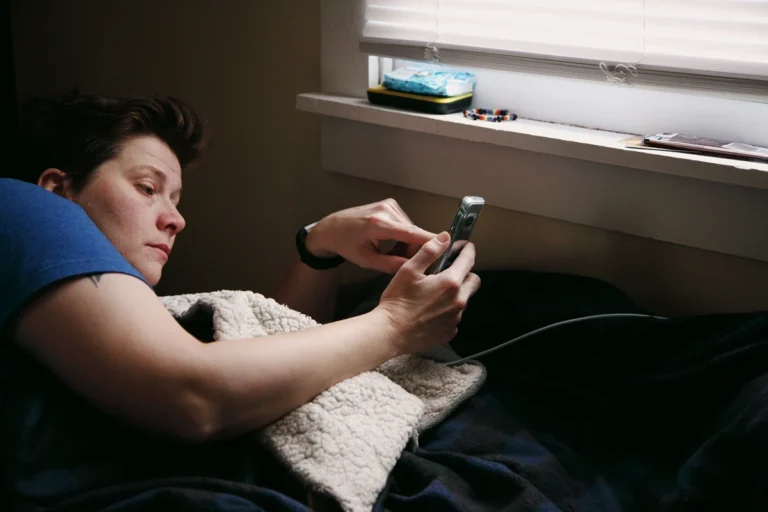
Still sleep with your phone in the room? That glowing rectangle floods your brain with blue light, suppresses melatonin, and tempts night-owls into 2 a.m. doomscrolls. Research says simply parking the device eight feet away can restore circadian rhythms, reduce anxiety, and deepen REM sleep. Our quick guide unpacks the science, shares stylish bedside-free alarm options, and offers micro-wins like a 30-minute pre-bed swap to help you wake clearer, calmer, and ready for real-world focus every day.
Mindless thumb-flicking and endless bad-news binges aren’t the same digital trap. Zombie scrolling is that detached, trance-like drift through random feeds, slowly draining attention. Doomscrolling is a negativity loop, chasing alarming headlines that spike anxiety. Our post unpacks the science behind both habits, shows why motivation and confidence matter, and offers quadrant-specific micro-wins - from timer tricks to values resets - to help night owl professionals reclaim focus, mood, and sustained energy daily without deleting your favorite social apps entirely.
Autoplay’s countdown makes “just one more” the default. To limit binge watching without losing the fun, pre-decide an episode cap, disable autoplay, and pair the end of each session with an offline reward (tea, journaling, stretch). Stand up at every credit roll and ask, “Am I still watching by choice?” Host short watch-parties for social benefit, and keep the day’s first/last 30 minutes screen-free. These tiny, evidence-backed tweaks transform marathon nights into mindful, guilt-free streaming.
Online shopping is consuming - but your wallet (and well-being) don’t have to suffer. “Shop Less, Live More” breaks the doom-scroll-to-doorstep cycle with a science-backed, 7-step plan to reduce online shopping. Learn how 24-hour cool-off timers, ad-free inbox filters, and a 30-day no-buy challenge turn impulse clicks into mindful purchasing. We’ll show Millennials and Gen Z pros how to cut e-commerce spending, tame online shopping addiction, and swap retail therapy for richer offline joys-no guilt required.
Swap screen glare for sunshine this season. Our guide shares ten creative, budget-friendly digital-free summer activities that pull families and friends off the couch and into real-world connection. Hike at dawn, host a backyard game night, craft a film-camera photo walk, or declare a screen-free Sunday potluck - each idea sparks movement, laughter and genuine conversation while lowering stress and boosting sleep. Think of them as mini detoxes: small swaps that build a healthier relationship with tech.
News should inform you, not immobilize you. Yet constant alerts, live blogs, and doomscrolling create news fatigue - a mix of anxiety, distraction, and sheer mental drain. This guide shows you how to break the cycle without quitting headlines: curate just a few trusted sources, schedule two short check-ins a day, swap endless scrolling for summary digests, and reset with mindfulness or an offline hobby. Small, consistent tweaks transform the news from mood-killer to manageable part of a balanced media diet.
Your feed is more than filler - it’s fuel for your thoughts. Swap doomscroll fatigue for daily inspiration by curating your social media feed with intention. Mute or hide posts that spike anxiety, unfollow accounts that spark comparison, and actively like content that educates, uplifts, or makes you laugh. Each tap reshapes the algorithm, turning endless scrolls into positive social scrolling. Within days you’ll notice lighter moods, sharper focus, and a timeline that finally feels like your space.
Your alarm shouldn’t catapult you into email overload. Trade the reflexive scroll for a phone-free morning routine and watch the day transform. Research shows that spending even the first sixty minutes screen-free steadies cortisol, sharpens focus, and lifts mood. Instead of notifications, greet the dawn with journaling, gentle stretches, or a quiet cup of coffee. Within a week you’ll notice calmer thoughts, clearer priorities, and more intentional tech use - proof that one morning without phone can reset your whole day.
Summer begs for sand between your toes, not smartphones in your palm. A summer digital detox - even one weekend swaps blue light for blue skies and leaves you calmer, sharper, and better rested. Research shows brief screen breaks slash cortisol, deepen sleep, and rekindle face-to-face connection. Start small: phone-free dinners, hidden social apps, a Saturday screen pause. Within days you’ll notice looser shoulders and richer conversations. Unplug now, and let your best summer memories happen unfiltered.
Neck strain from remote work stems from forward head posture and rounded shoulders. Fix tech-neck in five minutes: set a 30-minute timer and cycle through seven equipment-free stretches like neck tilt and rotation, chin tuck, doorway chest opener, and wrist extensor release. Pair moves with file loading or coffee brew to lock habit. Consistent micro breaks relieve tension, restore posture, and boost focus more than occasional marathon yoga sessions for lasting comfort.
Multitasking feels like a productivity badge, but science shows it’s an illusion. Every time you switch tasks, your brain pays a hidden task switching cost, draining energy and creating focus fatigue. Instead of boosting efficiency, juggling emails, chats, and projects leaves you scattered and stressed. The solution is intentional single-tasking, or “monotasking.” By setting micro-boundaries, auditing notifications, and celebrating small wins, you’ll reclaim attention, reduce burnout, and align your work with what matters most.

Remote work makes it harder than ever to switch off and many employees fear that saying no means falling behind. This constant pressure creates digital boundaries stress, draining focus and fueling burnout. The solution isn’t disconnection, but intentional, proactive boundary setting. With simple scripts, micro-routines, and smart tech use, you can communicate limits without guilt, protect your well-being, and still deliver high-quality results. Boundaries aren’t resistance, they’re the foundation of sustainable performance.
Are you feeling the weight of digital identity stress? Today’s young professionals and creators juggle the pressure of curating a flawless online persona with the longing for authenticity and the fear of lost privacy. This post explores how constant comparison and surveillance drive authenticity anxiety, and how mindful digital use frameworks can restore balance. Learn to align your digital life with your real values and reclaim confidence, authenticity, and well-being online.
Rest isn’t just about stopping it’s a skill you can train. In today’s hyperconnected world, digital rest is essential for focus, sleep, and mental health. By building intentional routines, setting boundaries, and practicing mindful disconnection, you can rewire your brain to truly log off. This guide explains why digital rest matters, how constant screen use drains energy, and the simple strategies that help remote workers, students, and professionals reclaim balance and prevent burnout.
Feeling overwhelmed by endless scrolling? A social media cleanse can help you reset without going cold turkey. Our 30-day calendar gives you one small, achievable challenge each day from turning off notifications to creating app-free zones that builds confidence and reduces stress. By stacking these “tiny wins,” you’ll experience a gradual dopamine reset, improve focus, and reclaim time for what matters most. Start your journey toward digital balance.
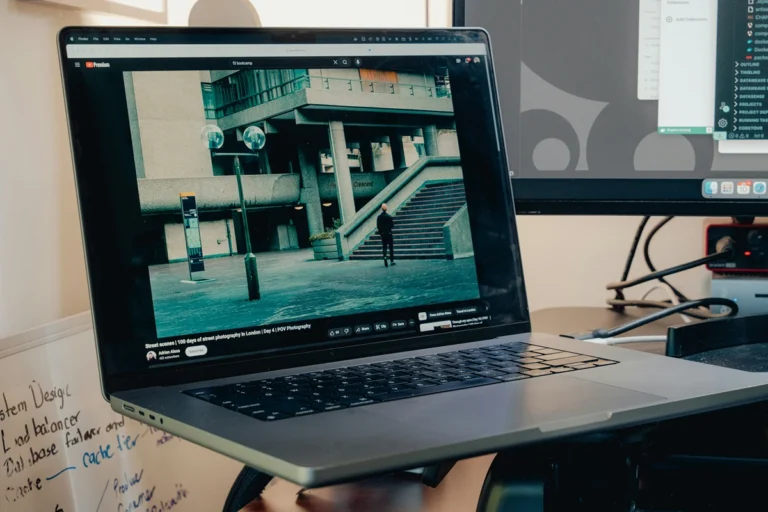
YouTube’s autoplay can turn one quick video into an endless binge watching spiral, leaving you overwhelmed and unfocused. If you’ve ever lost hours to the algorithm, you’re not alone. This guide shows you how to reclaim control with a simple three-step routine: disable autoplay, build a “watch later” habit, and set a 3-video limit. By creating intentional boundaries, you’ll break the multitasking cycle, sharpen your focus, and free up time for what really matters.