Blog
Welcome to the Offline.now Blog - your trusted resource for navigating digital detox and reclaiming balance.
Explore daily insights into managing phone stress, reducing screen time, curbing doomscrolling, and practical digital wellness strategies. Let our science-backed tips and expert advice empower you to build a healthy relationship with technology.
A 2026 meta-analysis of 63 studies found a 0.38 link between phone use and poor sleep. The step that holds: charge it outside the bedroom.
Updated October 2026. Of the 45% of U.S. adults who tried to cut back on their phone last year, one in four called it a clear success. The problem is the system around the habit, and two 2025-2026 trials show what changes it.
The Harvard Gazette asked this week whether quitting smartphones should be this hard. Eli Singer, creator of the Offline.now Matrix, says yes, because quitting is the wrong goal, and the Pew numbers show why.
Phubbing is snubbing someone for your phone. A 2026 review of 22 studies found feeling ignored does the harm. Protect one quiet moment a day.
Built-in limits, blockers, friction apps, physical locks, focus timers, trackers and a plan with no tool, compared on four questions the Offline.now Matrix supplies: does it change the environment, leave a skill, add a system, and have evidence.
ADHD can make follow-through harder, not because of a lack of motivation, but because executive function challenges affect task initiation, time perception, attention, and planning. Learn how simple ADHD-friendly tools, realistic systems, and practical strategies can make time more visible, reduce decision load, and help you follow through on everyday responsibilities.

Divorce after 50 can disrupt confidence, identity, routines, and plans for the future, but rebuilding is possible. This guide explores practical ways women can regain clarity and self-trust through small decisions, self-compassion, visible wins, and structured support.
ADHD can make workplace priorities, task initiation, and follow-through harder—even for highly capable professionals. This article explores how ADHD coaching can reduce friction, clarify priorities, and build practical systems for getting important work started and completed. It also covers brain-friendly strategies for managing competing demands, protecting focus, reducing interruptions, and creating consistent accountability.
Digital overwhelm can affect how we work, connect, and use our phones. From LinkedIn FOMO and relationship tension to digital detoxes that fall apart, lasting change starts with understanding your current habits and making small, sustainable adjustments to your environment.
Breaking a phone habit is not simply a matter of having more discipline. Stress, boredom, work demands, and exhausted decision-making can all reinforce compulsive phone use. Sustainable change starts with practical boundaries, smaller steps, and support that matches your situation. Learn how to build healthier phone habits, reduce doomscrolling, and create digital boundaries that actually last.
ADHD and phone habits: why willpower fails and what sticks. One small step, one if-then plan, and a two-question quiz that takes about a minute.
Healthy technology habits are more sustainable when families focus on understanding the needs behind device use rather than simply imposing restrictions. Small, collaborative changes can build confidence and create routines that are easier to maintain over time.
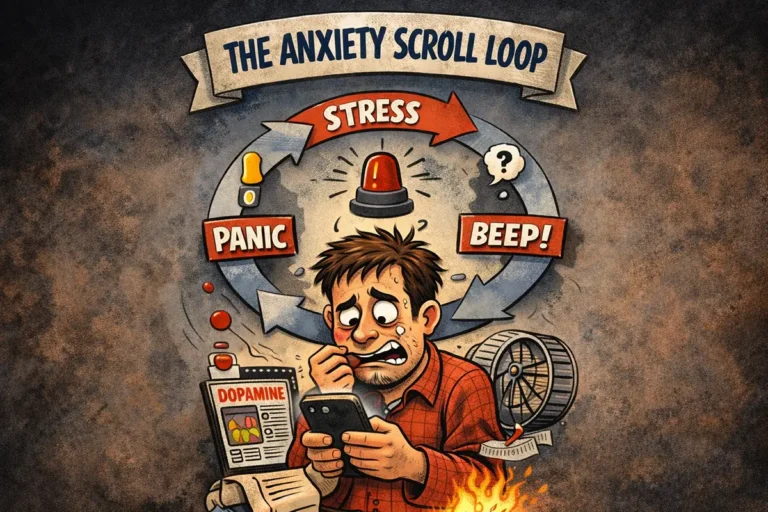
Doom scrolling doesn’t calm anxiety—it intensifies it. For ADHD brains, scrolling can become a regulation loop where fear sharpens focus and activation gets mistaken for relief. By the time you want to stop, executive function is already offline. This post explains why restriction alone fails and why the real solution is sequence: regulate your nervous system first, then redirect the behavior. It’s not a discipline problem—it’s a regulation one.
Feeling replaced by a screen can cut deeper than distraction—it can touch on desirability, safety, and emotional access. This post explores when screens genuinely erode intimacy and when they function as a coping strategy for stress, resentment, or vulnerability. Instead of focusing only on tech rules, it examines the emotional context beneath disconnection and why rebuilding safety often matters more than banning phones from the bedroom.
When screens enter a relationship, the issue isn’t usually the device itself—it’s what it amplifies. This post explores how different attachment styles respond to stress, why one partner’s scrolling can feel like rejection to another, and how emotional availability erodes quietly over time. Instead of blame or shame, it invites curiosity about what’s happening beneath the surface, reminding us that screens don’t break connection—they expose where it already feels fragile.
We often talk about screen time affecting mood and focus—but emerging research suggests it may also impact chronic inflammation. A University at Buffalo study found higher social media use predicted increased CRP, a key inflammation marker. Blending research with personal experience, this post explores how stress activation, poor sleep, and sedentary scrolling may affect the body—and shares practical, realistic steps to reduce digital stress and support long-term health.
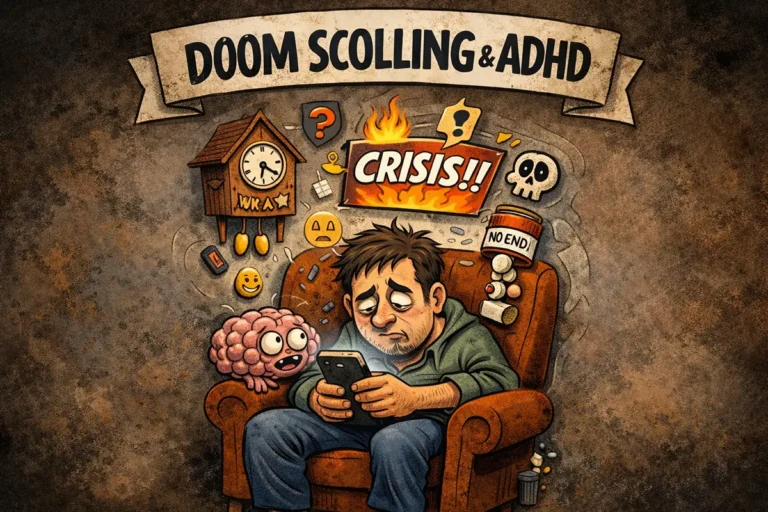
If you have ADHD, doom scrolling isn’t about laziness or poor discipline—it’s what happens when a novelty-seeking brain meets infinite scroll and threat-based content. This post breaks down why ADHD brains are especially vulnerable to doom scrolling, how anxiety can hijack attention, and why shame doesn’t work. Instead of “scroll less” advice, you’ll learn how to change the environment, add real stopping cues, and give your brain somewhere safe to land.
Are Snapchat and TikTok actually dangerous for teens? The real risk isn’t the apps themselves—it’s how they blur privacy, permanence, and performance in ways adolescent brains aren’t equipped to manage. Drawing on clinical work and lived parenting experience, this post explains how online harm often unfolds, why shame makes safety worse, and how families can use practical, non-judgmental tools to help teens protect their agency, make safer choices, and ask for help before mistakes become permanent.