Blog

Welcome to the Offline.now Blog - your trusted resource for navigating digital detox and reclaiming balance.

Explore daily insights into managing phone stress, reducing screen time, curbing doomscrolling, and practical digital wellness strategies. Let our science-backed tips and expert advice empower you to build a healthy relationship with technology.
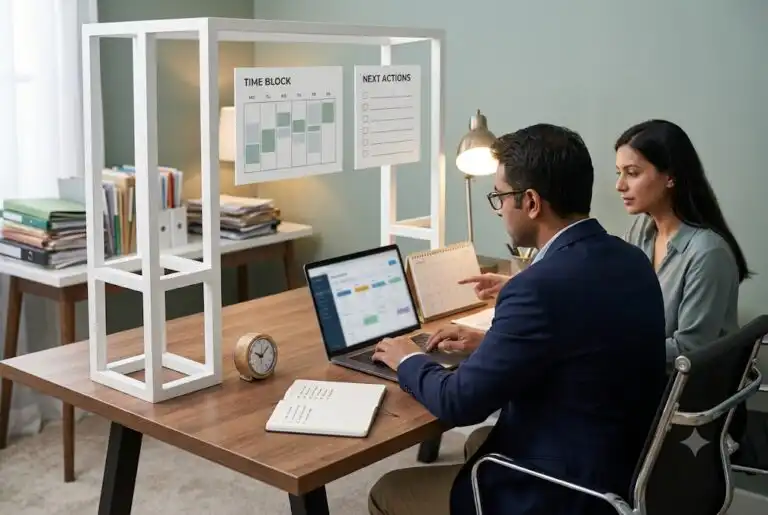
Personalized ADHD routine support focuses on building practical systems that fit your real life rather than forcing rigid routines that create more stress. From executive function coaching and body doubling to visual planners, reminders, and accountability tools, the right support can reduce mental load, improve follow-through, and make everyday tasks easier to start. For adults balancing ADHD with work and leadership responsibilities, flexible, strengths-based routines can help turn recurring challenges into manageable systems.
Work stress and anxiety can affect your sleep, relationships, confidence, and everyday life. Online therapy offers flexible, accessible support for managing workplace pressure, burnout, and emotional distress. Learn how evidence-based online therapy can help you build healthier coping strategies and feel more supported.
If you’re a professional with ADHD, you may have tried planning systems that seemed perfect on paper, only to watch them fall apart a few weeks later. The problem isn’t that you lack discipline or motivation. ADHD can make planning, task initiation, time management, and follow-through uniquely challenging. This guide explores why traditional planning systems often fail and how to build a more flexible approach that actually works with your brain.
Struggling with procrastination, time management, or follow-through does not mean you lack motivation or discipline. For many adults with ADHD, executive function challenges can make it difficult to start tasks, manage time, maintain momentum, and finish what matters. This article explores practical, brain-friendly strategies, including body doubling, accountability, coaching, and simple digital tools—to reduce friction and build systems that make consistent progress easier.

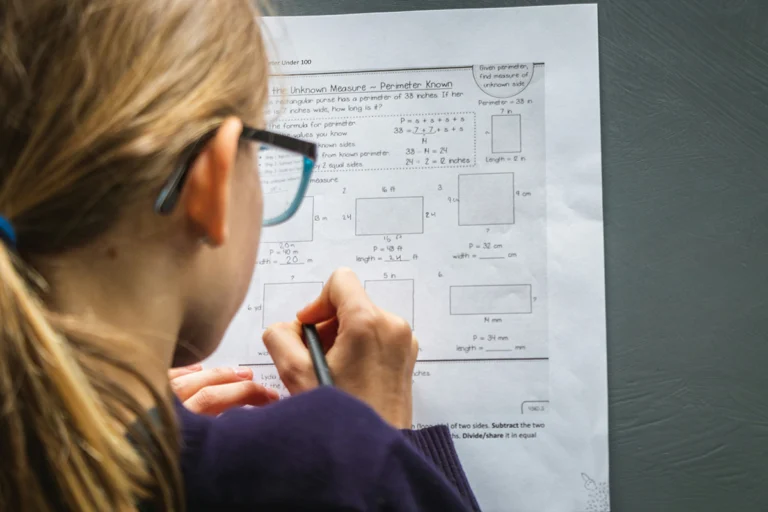
ADHD affects an estimated 6% of university students, and task initiation is one of the most common places it shows up. Assignments don't stall because students don't understand the material or don't care. They stall because starting is genuinely harder for an ADHD brain, and a phone is the most available, most immediate alternative in the room.
Adults with ADHD often feel like their phones are impossible to put down—but the problem isn’t a lack of willpower. ADHD brains are wired for interest, novelty, and dopamine, making modern apps especially difficult to resist. This article explains why digital overwhelm happens, how phones amplify executive function challenges, and the practical, science-informed strategies that can help you regain focus, reduce distraction, and build healthier screen habits without guilt or unrealistic rules.
For many people in the first stretch of their career, stress builds from several directions at once. Heavy workloads, tight deadlines, unclear expectations, difficult manager relationships, and the quiet pressure to always be available can all layer on top of each other. Hybrid and remote work can help in some ways, but they can also blur the line between work time and rest.
Midlife divorce carries its own weight. It arrives alongside the emotional reality of starting over at a stage of life many assumed would feel more settled. The shift after divorce is rarely instant, and it should not be sold that way. What women often need first is steadiness. Then comes clarity. Then confidence begins to return on its own terms.
If a pattern can be passed down, it can also be put down. Here's what healing generational trauma actually looks like — naming the pattern, calming the body, rewriting the story, setting boundaries, and grieving what you didn't get — and how to break the cycle without blaming your parents.
Inherited trauma rarely announces itself. It shows up in your body, your relationships, and your habits — wearing the costume of “that's just how I am.” Here's how generational trauma surfaces as hypervigilance, repeating relationship patterns, addiction, control, and people-pleasing, and why recognizing it is the turning point.
“What's your attachment style?” became a third-date question, but the dating-app version gets one thing backwards. Your attachment style isn't a fixed personality trait you were born with — it's a pattern you learned, and often one you inherited. Here's where it really comes from and how it can change.
As an ADHD coach, I see it constantly: attention in ADHD isn't broken, it's interest-based. Screens are simply efficient dopamine delivery, meeting a need that's already there. Here's a clearer way to understand hyperfocus, and how to work with your wiring instead of against it in a world built to capture it.
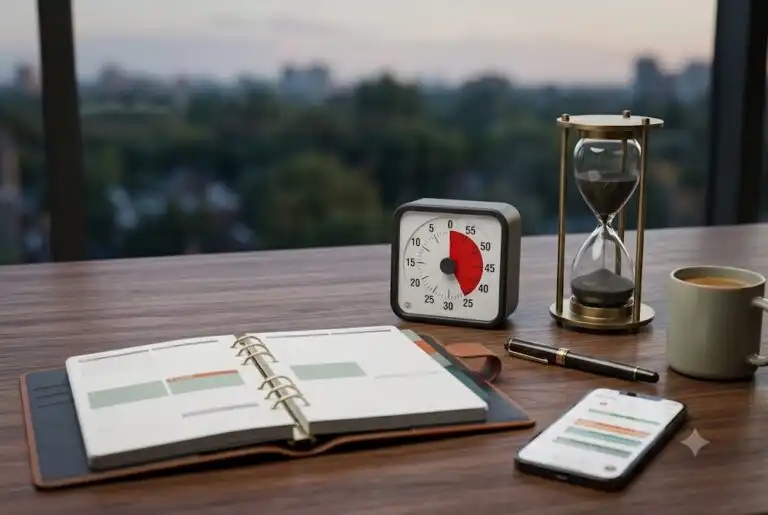
Digital Pomodoro method upgrades the classic 25-5 rhythm for modern remote work. Schedule three morning sprints, launch a focus app to silence notifications, and treat each block like a client meeting. After four cycles, take a twenty minute recharge then repeat after lunch. The structure combats online temptations and hazy boundaries, training attention while preserving energy. Keep phones in another room, mark calendar slots busy, and watch productivity rise as fatigue and procrastination fall away.
Deep work strategies give your brain the uninterrupted stretches needed for complex thinking and career edge. This distraction survival guide teaches you to time block 90 minute focus windows, silence every non-essential notification, and restore attention with five minute nature breaks. You’ll pair digital minimalism with weekly rituals that prime the mind for flow and end the day with an audit to refine tomorrow. Result: higher output, faster learning, and lower technostress without quitting tech.
Phone separation anxiety, or nomophobia, turns a low battery into a panic attack. Use our quick five-question self-test to gauge stress, then try four compassionate fixes: silence non-essential notifications, create ten-minute micro-detox windows, stash chargers everywhere to tame battery fear, and swap reflex checks for a stretch or mindful breath. Track progress for a week and notice heart rate, focus, and sleep improve. Anxiety fades as small wins stack.
Doomscrolling exploits our threat radar, rewarding each alarming headline with a dopamine jolt. Break the loop using five evidence-backed moves: schedule two short news windows, mute breaking alerts, ask “Is this actionable?” before reading, insert 24-hour detox sprints, and follow solution-oriented outlets to balance bias. These steps calm the amygdala, cut anxiety, and free cognitive bandwidth for real work. Pick one tactic today, log mood changes, and watch urgency shrink.
LinkedIn anxiety sparks career FOMO every time a promotion post pops up. This toolkit swaps comparison for clarity in five steps: schedule two 15-minute LinkedIn blocks, mute trigger accounts, log three weekly wins to anchor self-worth, send one intentional outreach note, and unplug for a LinkedIn-free weekend each month. These habits cut distraction, protect sleep, and sustain meaningful networking. Add Friday progress logs and watch stress drop while real opportunities rise.
Instagram Reels flood your brain with endless novelty, fast swipes, and algorithmic rewards, making focus vanish. If you lose time, feel jittery without the app, or scroll during tasks, you’re edging toward compulsive use. This guide breaks the loop with a four step plan: log every scroll trigger, silence push alerts, set daily caps, and run weekend uninstalls. Mindful viewing plus dopamine detox swaps Reels for real life rewards so attention, sleep, and mood rebound.