Blog

Welcome to the Offline.now Blog - your trusted resource for navigating digital detox and reclaiming balance.

Explore daily insights into managing phone stress, reducing screen time, curbing doomscrolling, and practical digital wellness strategies. Let our science-backed tips and expert advice empower you to build a healthy relationship with technology.
A 2026 meta-analysis of 63 studies found a 0.38 link between phone use and poor sleep. The step that holds: charge it outside the bedroom.
Updated October 2026. Of the 45% of U.S. adults who tried to cut back on their phone last year, one in four called it a clear success. The problem is the system around the habit, and two 2025-2026 trials show what changes it.
The Harvard Gazette asked this week whether quitting smartphones should be this hard. Eli Singer, creator of the Offline.now Matrix, says yes, because quitting is the wrong goal, and the Pew numbers show why.
Phubbing is snubbing someone for your phone. A 2026 review of 22 studies found feeling ignored does the harm. Protect one quiet moment a day.
Built-in limits, blockers, friction apps, physical locks, focus timers, trackers and a plan with no tool, compared on four questions the Offline.now Matrix supplies: does it change the environment, leave a skill, add a system, and have evidence.
ADHD can make follow-through harder, not because of a lack of motivation, but because executive function challenges affect task initiation, time perception, attention, and planning. Learn how simple ADHD-friendly tools, realistic systems, and practical strategies can make time more visible, reduce decision load, and help you follow through on everyday responsibilities.

Divorce after 50 can disrupt confidence, identity, routines, and plans for the future, but rebuilding is possible. This guide explores practical ways women can regain clarity and self-trust through small decisions, self-compassion, visible wins, and structured support.
ADHD can make workplace priorities, task initiation, and follow-through harder—even for highly capable professionals. This article explores how ADHD coaching can reduce friction, clarify priorities, and build practical systems for getting important work started and completed. It also covers brain-friendly strategies for managing competing demands, protecting focus, reducing interruptions, and creating consistent accountability.
Digital overwhelm can affect how we work, connect, and use our phones. From LinkedIn FOMO and relationship tension to digital detoxes that fall apart, lasting change starts with understanding your current habits and making small, sustainable adjustments to your environment.
Breaking a phone habit is not simply a matter of having more discipline. Stress, boredom, work demands, and exhausted decision-making can all reinforce compulsive phone use. Sustainable change starts with practical boundaries, smaller steps, and support that matches your situation. Learn how to build healthier phone habits, reduce doomscrolling, and create digital boundaries that actually last.
ADHD and phone habits: why willpower fails and what sticks. One small step, one if-then plan, and a two-question quiz that takes about a minute.
Healthy technology habits are more sustainable when families focus on understanding the needs behind device use rather than simply imposing restrictions. Small, collaborative changes can build confidence and create routines that are easier to maintain over time.
Digital burnout prevention strategies give executives a moat against overload. Begin with a VIP email filter, two review windows, and stop letting the inbox double as a list. Slash meeting overload by defaulting to fifteen minute stand ups and asking “async?” before invites. Protect two daily 90 minute focus blocks behind do not disturb, then anchor recovery habits like 20 squats or 90 second box breathing. Weekly digital diet audits refine boundaries before stress snowballs.
ADHD amplifies digital noise. Bright screens, pings, and infinite feeds bombard sensory circuits, fragmenting focus and draining energy. This post offers five wins: dim and warm displays, corral key apps on one calm home screen, schedule one breathing reset, deploy two minute movement breaks at trigger hours, and carve device free zones in bedroom and dining room. Accessibility tools like Focus mode and speech to text let the phone adapt to you, not vice versa.
Instagram Stories addiction trades quick laughs for stolen hours. Variable rewards, FOMO, and looming expiry keep thumbs tapping. Beat micro-scrolling with three guardrails: batch two 10-minute viewing windows, set app timers that auto-lock Stories afterward, and touch a physical “anchor” object before every impulse swipe. Add purposeful follows and hide streak counts to ease guilt. Intentional viewing restores focus, sleep, and creativity. Start by scheduling tomorrow’s scroll blocks and breathe before tapping.
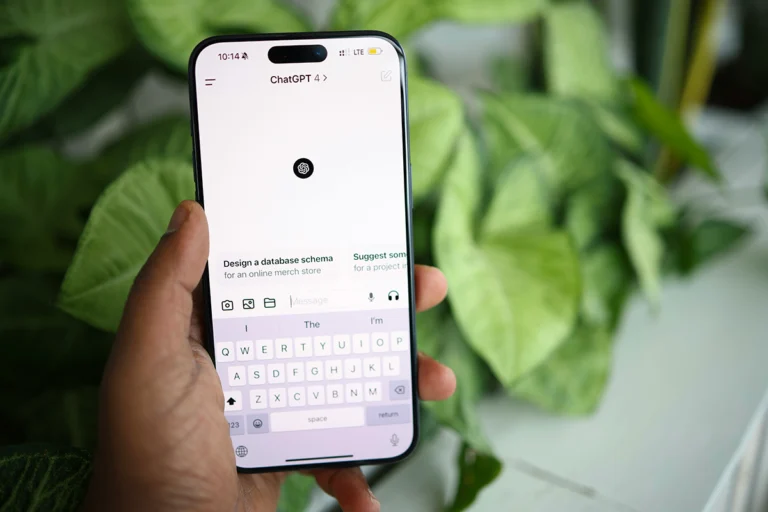
Rapid AI upgrades excite yet exhaust. Constant feature drops spark FOMO, black box worry, and pressure to automate everything. This article delivers quick ChatGPT anxiety solutions: time box usage into two daily blocks, keep an AI wish list to curb rabbit holes, pause and breathe before sending prompts, lock apps after 8pm, and remember you can leverage AI on your terms. Structured windows turn ChatGPT from stressor into tool, preserving sleep, motivation, and clarity daily.
Device free family time starts with a shared tech pact. Instead of nagging, gather everyone to list screen joys and pains, agree on dinner table and bedroom phone bans, and pick one screen free evening each week. Create a central charging station, swap scrolling for quick games or cooking together, and review the pact monthly to tweak rules. Families who protect conversation windows report richer connection, calmer bedtimes, and kids who learn lifelong digital balance.
Endless swiping can feel like a second job, draining self-esteem and hiding real connection. Pause all matching apps for a week to calm dopamine cravings, then rebuild offline confidence through hobby meet-ups, micro-volunteering, and friend introductions. When you reinstall, limit checks to two 15-minute windows, message only shared-interest matches, and suggest an in-person coffee within three exchanges. Intentional rules transform dating apps into tools instead of energy sinks, restoring mood and hope.