Blog
Welcome to the Offline.now Blog - your trusted resource for navigating digital detox and reclaiming balance.
Explore daily insights into managing phone stress, reducing screen time, curbing doomscrolling, and practical digital wellness strategies. Let our science-backed tips and expert advice empower you to build a healthy relationship with technology.
“Generational trauma” gets thrown around on TikTok for everything, but the real thing is far more useful than the watered-down version. Here's what intergenerational trauma actually is, how it passes between generations, the signs you might be carrying it, and why you can be the one it stops with.
Offline.now has been named Canadian Ambassador for the Global Day of Unplugging, the international movement for healthier screen habits across 20+ countries. We're holding space open for Canadian practitioners, organizations, and community partners to come together year-round on digital wellness. Come help us build it.
You meant to check one thing on your phone. That was forty-five minutes ago. Join Offline.now and the University of Toronto for Screen Life, a free Toronto Tech Week workshop on Thursday, May 28. Take a personal assessment, hear from a curated group of expert practitioners, and leave with a plan that fits your real life.
The debate about smartphones and mental health swings between alarm and dismissal. Both miss the real finding. The research is consistent on one thing: the phone is not the variable that matters. The pattern of use is. Here is what that distinction actually means - and how to use it to think more clearly about your own habits.
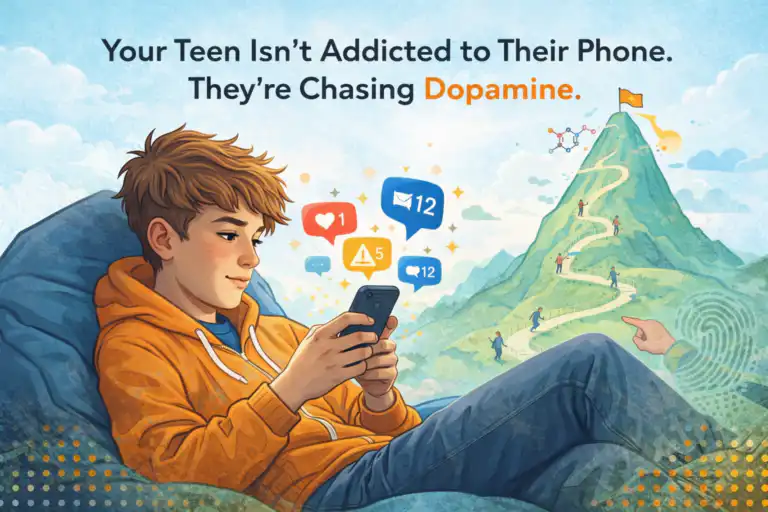
Your teen isn't weak, lazy, or addicted. They're responding exactly as their brain is wired to - and more often than not, what they're really feeling is overwhelmed. This piece explains the neuroscience behind teen phone use, why stress drives the behavior more than discipline ever will, and what parents can actually do about it.
There is a particular kind of tired that does not go away with sleep. If you end most days feeling flat, irritable, or hollowed out after hours of being digitally connected, that exhaustion is real, it has a cause, and it is not a personal weakness. Cleo Haber, MSW, RSW, explains the mechanism - and what your inner world is actually asking for.
You are not using your phone right now. But you are probably still thinking about it. That background alertness has a name, a mechanism, and a direct pathway to mental health decline - and it has nothing to do with how many hours you log on screen. Here is what the research actually shows about online vigilance, why stress is the real variable, and what that means for what you should try next.
Loneliness among young adults is rising - and the advice about what to do about it is heavy on app recommendations and light on evidence. A major systematic review offers a clearer picture: some digital approaches genuinely help, but the type and quality of interaction matters far more than the medium. Here is what the research actually shows.
Being available and being present are not the same thing. Most leaders know this abstractly. Far fewer have examined what constant digital availability is actually doing to their capacity for the second one. This is not a wellness argument. It is a leadership performance argument - and the evidence behind it is precise enough to be worth taking seriously.
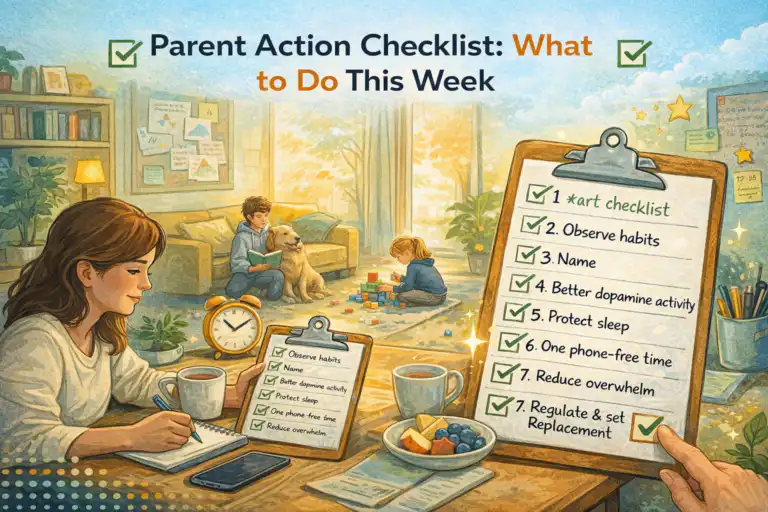
You don't need to overhaul everything at once. This practical checklist gives parents eight small, consistent actions to take this week - from observing patterns before intervening, to protecting sleep, to co-regulating before setting limits. Start small. Stay steady.
Most debate about gaming addiction swings between alarm and dismissal. The research offers something more useful: a precise clinical distinction between heavy use and addictive use, measurable markers that tell them apart, and honest prevalence data that sizes the risk accurately. Here is what the evidence actually shows.
You deleted the app. You set the limit. You tried the detox. And within days or weeks, the same pattern returned. If you have been treating that return as a personal failing, there is a more accurate explanation. Habits that feel compulsive persist because they are serving a function - managing stress, regulating emotion, filling a relational gap. Changing the behavior without understanding the function is why the pattern keeps coming back.
Infinite feeds spike dopamine, so ADHD brains slip into scroll trances quickly. Log one week of triggers, noting app, emotion, and time. Next install app timers, mute non-urgent pings, and schedule two free focus blocks daily. Curate accounts and replace impulse swipes with sixty second pause or water break. End each day reviewing mood versus minutes to spot progress. Consistent tweaks reclaim attention, lift sleep quality, and prove social apps can serve you, not siphon energy.
Digital balance for college students is a survival skill. Buzzing phones split attention, hurt grades, and heighten anxiety. This guide delivers seven wins: audit screen time, declare tech free zones like library desks, batch notifications, run one screen study sessions, follow the 20-20-20 eye rule, try weekly social media fasts, and practice digital mindfulness before unlocking. Start with one tactic, track mood for a week, then layer another. Small, consistent tweaks beat heroic detox marathons.

Late night screen time sabotages sleep by flooding eyes with blue light and brain with cliffhanger drama. Create a one-hour digital sunset: set an alarm to power down devices, enable night-shift filters if work is unavoidable, and charge phones outside the bedroom. Swap the final scroll for deep breathing, light stretches, or paperback pages. Even one evening trial can shorten sleep latency and lift morning mood. Try your first digital sunset tonight.
Constant pings flood reward circuits, but real change starts with a clear why. Audit unlocks for one day, highlight the three apps that steal most energy, and label every pickup mood. Then craft device free zones, replace boredom swipes with five minute movement hits, and text a partner nightly screen score for accountability. Slip ups are data, not defeat; review Fridays and adjust. Consistent boundaries compound into focus, calmer sleep, and technology that serves you.
Finding digital wellness begins with acknowledging that tech is a tool, not a tyrant. Offline Now gathers neuroscience backed tactics that tame endless reels, midnight doomscrolls, and always on work pings. Explore guides on phone breakups, family tech pacts, blue light sleep fixes, and digital pomodoro focus bursts, then choose one tiny step tonight-like silencing notifications at dinner. Small, intentional habits cascade into calmer minds, deeper relationships, and productivity that feels good instead of frantic.
Our Digital Balance Hub is a living library that matches your Offline.now Matrix quadrant to bite size, science backed actions. Navigate quick-start cards, micro lesson videos, and chatbot coaching without hunting menus. Toggle filters for five minute, fifteen minute, or weekend challenges and bookmark progress dashboards. Monthly updates drop fresh tactics, while community forums swap wins and troubleshoot stalls. Set one alert, open today, pick a tiny move, and feel digital wellness compound all week.