Blog
Welcome to the Offline.now Blog - your trusted resource for navigating digital detox and reclaiming balance.
Explore daily insights into managing phone stress, reducing screen time, curbing doomscrolling, and practical digital wellness strategies. Let our science-backed tips and expert advice empower you to build a healthy relationship with technology.
You know how to handle hard things. But somewhere along the way, the part of you that learned to stay ready stopped being something you switch on when you need it and became the default. You are alert when you do not need to be. You cannot fully rest. You have been told to relax and genuinely cannot get there. This is not a character flaw. It is a nervous system that learned to do its job extremely well - and has not yet received the signal that the conditions have changed.
Most advice about digital well-being focuses on one thing: use your phone less. But a growing body of research suggests that raw time reduction is the wrong target. What actually matters is self-regulation, social quality, and intentional planning - and understanding that difference changes what you should try next.
Many arguments about phones in relationships go in circles: one partner feels ignored, the other feels criticized, and nothing really changes. The Later List is a simple shared ritual that helps interrupt that cycle. Instead of confronting the issue mid-scroll, couples jot concerns down and revisit them later when both people are calmer. This small structure reduces defensiveness, lowers conflict, and creates space for more honest conversations about connection and attention.
If you keep picking up your phone without meaning to, you’re not lacking discipline—you’re stuck in a loop. This post breaks down why compulsive checking happens and introduces a simple 3-part framework to interrupt it: recognize the trigger, insert one small pause, and add gentle friction to the environment. With practical scripts and a 24-hour experiment, you’ll have something concrete to try tonight—no shame, no detox required.
If you keep switching between email, Slack, and social media yet feel like nothing gets done, you may be experiencing task-switching debt. For ADHD brains, every unfinished task creates cognitive tension that quietly pulls attention back again and again. This post explains how switching debt builds throughout the day and shares simple micro-experiments to reduce open loops, lower mental fatigue, and make it easier to return to the work that actually matters.
When your phone is your business, “just put it away” isn’t realistic. But constant access can quietly destroy focus—especially for ADHD brains wired for novelty. In this personal reflection, an ADHD coach shares how late-night and early-morning doom scrolling was hijacking his attention and nervous system, and how one surprisingly simple change—a smart watch alarm—created friction that protected his focus without disconnecting him from work.
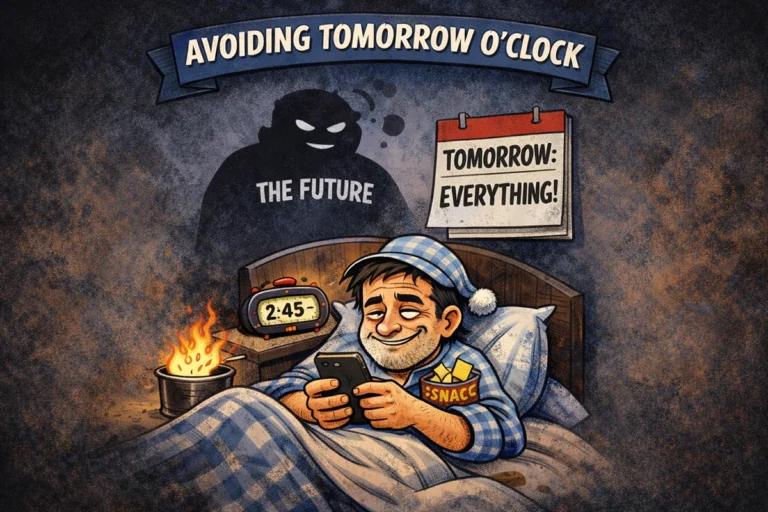
Late-night doom scrolling isn’t really about the phone—it’s about exhaustion, unfinished tasks, and an ADHD brain searching for relief. When the day feels overwhelming and nothing feels complete, endless scrolling offers easy stimulation without expectations. This post explores why burnout and ADHD make nighttime scrolling so common, and how small daytime shifts—like visible task completion and planned endings—can help your brain finally power down instead of staying stuck in the scroll.
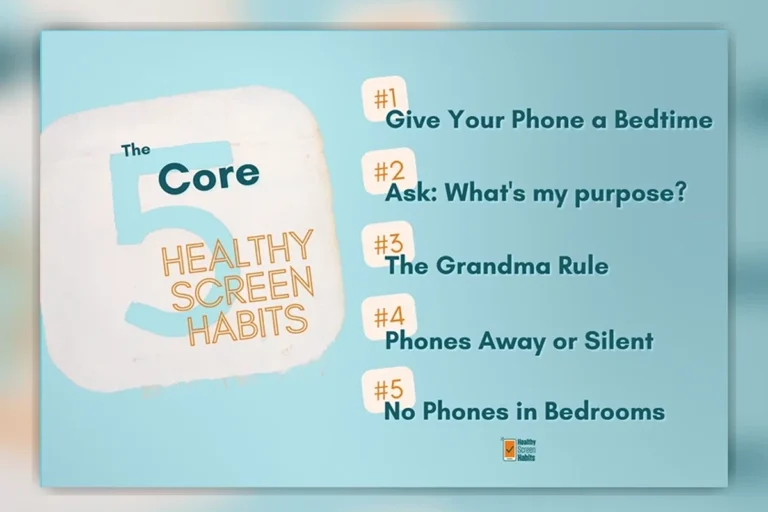
Healthy Screen Habits is helping families rethink screen time with simple, practical habits that prioritize connection over control. Instead of rigid rules or panic, their approach focuses on small, repeatable changes that make technology easier to manage in everyday life. In this post, we highlight their 5 Core Healthy Screen Habits and share a simple 7-day family experiment—small steps that can reduce digital overwhelm and help screens take up less space at home.
If your brain won’t shut up and scrolling leaves you more exhausted, you may be in ADHD burnout. This post explains why ADHD brains burn out differently, how screen time creates a false sense of relief, and why willpower isn’t the solution. With practical, brain-aligned strategies for protecting energy, setting boundaries, and prioritizing real rest, you’ll learn how to recover without forcing yourself to “try harder.”
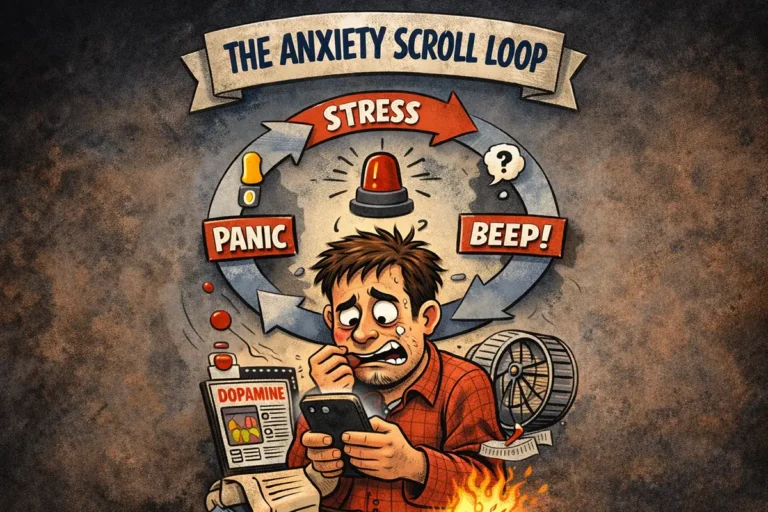
Doom scrolling doesn’t calm anxiety—it intensifies it. For ADHD brains, scrolling can become a regulation loop where fear sharpens focus and activation gets mistaken for relief. By the time you want to stop, executive function is already offline. This post explains why restriction alone fails and why the real solution is sequence: regulate your nervous system first, then redirect the behavior. It’s not a discipline problem—it’s a regulation one.
Feeling replaced by a screen can cut deeper than distraction—it can touch on desirability, safety, and emotional access. This post explores when screens genuinely erode intimacy and when they function as a coping strategy for stress, resentment, or vulnerability. Instead of focusing only on tech rules, it examines the emotional context beneath disconnection and why rebuilding safety often matters more than banning phones from the bedroom.
When screens enter a relationship, the issue isn’t usually the device itself—it’s what it amplifies. This post explores how different attachment styles respond to stress, why one partner’s scrolling can feel like rejection to another, and how emotional availability erodes quietly over time. Instead of blame or shame, it invites curiosity about what’s happening beneath the surface, reminding us that screens don’t break connection—they expose where it already feels fragile.
Online shopping is consuming - but your wallet (and well-being) don’t have to suffer. “Shop Less, Live More” breaks the doom-scroll-to-doorstep cycle with a science-backed, 7-step plan to reduce online shopping. Learn how 24-hour cool-off timers, ad-free inbox filters, and a 30-day no-buy challenge turn impulse clicks into mindful purchasing. We’ll show Millennials and Gen Z pros how to cut e-commerce spending, tame online shopping addiction, and swap retail therapy for richer offline joys-no guilt required.
Swap screen glare for sunshine this season. Our guide shares ten creative, budget-friendly digital-free summer activities that pull families and friends off the couch and into real-world connection. Hike at dawn, host a backyard game night, craft a film-camera photo walk, or declare a screen-free Sunday potluck - each idea sparks movement, laughter and genuine conversation while lowering stress and boosting sleep. Think of them as mini detoxes: small swaps that build a healthier relationship with tech.
News should inform you, not immobilize you. Yet constant alerts, live blogs, and doomscrolling create news fatigue - a mix of anxiety, distraction, and sheer mental drain. This guide shows you how to break the cycle without quitting headlines: curate just a few trusted sources, schedule two short check-ins a day, swap endless scrolling for summary digests, and reset with mindfulness or an offline hobby. Small, consistent tweaks transform the news from mood-killer to manageable part of a balanced media diet.

Your feed is more than filler - it’s fuel for your thoughts. Swap doomscroll fatigue for daily inspiration by curating your social media feed with intention. Mute or hide posts that spike anxiety, unfollow accounts that spark comparison, and actively like content that educates, uplifts, or makes you laugh. Each tap reshapes the algorithm, turning endless scrolls into positive social scrolling. Within days you’ll notice lighter moods, sharper focus, and a timeline that finally feels like your space.
Your alarm shouldn’t catapult you into email overload. Trade the reflexive scroll for a phone-free morning routine and watch the day transform. Research shows that spending even the first sixty minutes screen-free steadies cortisol, sharpens focus, and lifts mood. Instead of notifications, greet the dawn with journaling, gentle stretches, or a quiet cup of coffee. Within a week you’ll notice calmer thoughts, clearer priorities, and more intentional tech use - proof that one morning without phone can reset your whole day.
Summer begs for sand between your toes, not smartphones in your palm. A summer digital detox - even one weekend swaps blue light for blue skies and leaves you calmer, sharper, and better rested. Research shows brief screen breaks slash cortisol, deepen sleep, and rekindle face-to-face connection. Start small: phone-free dinners, hidden social apps, a Saturday screen pause. Within days you’ll notice looser shoulders and richer conversations. Unplug now, and let your best summer memories happen unfiltered.