Blog
Welcome to the Offline.now Blog - your trusted resource for navigating digital detox and reclaiming balance.
Explore daily insights into managing phone stress, reducing screen time, curbing doomscrolling, and practical digital wellness strategies. Let our science-backed tips and expert advice empower you to build a healthy relationship with technology.
Winter’s long, dark evenings can quietly pull us into hours of scrolling that leave us more tired, not less. This post explores why winter screen time hits differently, how dopamine, blue light, and sleep disruption play a role, and why it’s not a willpower issue. Most importantly, it offers gentle, realistic swaps no rigid rules that help you restore energy, improve mood, and find comfort that truly replenishes you during the colder months.
The first holiday after divorce doesn’t have to feel like a loss. In fact, mine turned out sweeter, calmer, and surprisingly joyful. By letting go of old expectations and creating simple new traditions with my kids, the season became ours again: cozy, meaningful, and enough. If you’re navigating this transition, you’re not alone. With a few gentle shifts, your holidays can feel lighter and more aligned with what truly matters. Let’s make them yours.
You may already be doing digital wellness work—ADHD and TikTok, couples fighting about phones, teens gaming late, burnout from constant notifications. Offline.now helps you turn these everyday client themes into a clear, searchable specialty. Join the first directory dedicated to tech-related mental health so clients can find you for the issues they’re already struggling with. Expand your visibility, articulate your niche, and connect with people who truly need your expertise.
If your evenings keep disappearing into binge-scrolling, streaming, or “just one more episode,” these three simple shifts can help you reclaim real downtime. From using app-based limits, to setting built-in screen boundaries, to filling the digital void with hobbies that genuinely energize you, this guide offers practical changes that actually stick. With bonus tips for navigating kids’ screen habits and emotional transitions, it’s a compassionate roadmap to calmer nights—and a life that finally feels like yours again.
If you’ve tried every digital wellness strategy and still feel restless, anxious, or unable to unplug, the problem isn’t your willpower—it’s your nervous system. In this powerful guest post, resilience coach Amanda Campbell shares how her recovery from paralysis revealed a deeper truth: your body must feel safe before it can disconnect. Through her BAMBOO Method and years of coaching burned-out leaders, she explains why strategies don’t stick and how real resilience begins in the body, not the mind.
Remote work, study and “side projects” all live on the same screens now—and your brain is feeling it. This guide is your hub for digital burnout at work and school: video call fatigue, inbox chaos, calendar anxiety, tech neck, and the pressure to be “always on.” You’ll find humane strategies for focus, email, tools and boundaries, plus small experiments to protect your energy so you still have something left for life off-screen.
Screen-related stress is now one of the top reasons people search for therapists and coaches from doomscrolling spirals to ADHD distraction, digital burnout, online anxiety, and family screen conflict. Offline.now is the first directory built entirely around technology-related mental and emotional health, helping clients find specialists who understand their digital struggles. Join the directory to get discovered by high-intent clients looking for exactly what you do and grow your practice in the fastest-rising specialty in mental health.
I once believed my colour-coded calendar proved I had elite time-management skills until divorce, job loss, and a global shutdown handed me empty evenings I didn’t know how to fill. With no distractions left, I realized I wasn’t managing time; I was stuffing it to avoid asking harder questions. As screen time crept in to replace the chaos, I had to face what I was really chasing and what I actually wanted from my newly reclaimed hours.
Screens slipped quietly into the middle of our families, meals and marriages and now it’s hard to remember what being together felt like before the scroll. This guide is your starting point for rethinking phones, parenting and partnership without going full “no screens ever” mode. You’ll explore boundaries for kids and teens, desire and dating in the app era, and simple family rituals that make real connection feel possible again, even when life feels unbearably busy.
Managing screen time with ADHD can feel overwhelming from distraction spirals to hyperfocus loops to the constant pull of notifications. You don’t have to figure it out alone. Offline.now connects you with specialists who understand how ADHD brains interact with digital life. Explore experts in ADHD digital management, hyperfocus support, and executive functioning skills. Many offer free intro chats so you can find the right fit and start building healthier, more sustainable digital habits.
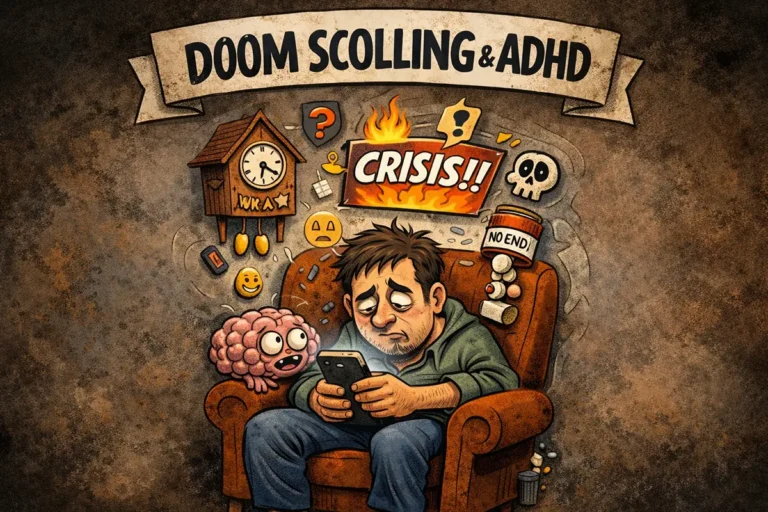
ADHD and your phone aren’t enemies, they’re just playing by rules nobody explained to you. This guide unpacks how dopamine, time blindness and digital overwhelm collide with your apps, and why willpower alone never works for long. You’ll get ADHD-friendly ways to study, work, scroll and rest, plus tiny experiments to rebuild focus and self-trust without pretending you’ll suddenly stop using TikTok, Instagram or YouTube, even if past systems failed and every notification still feels strangely urgent.
In a world of nonstop pings and endless feeds, it’s easy to feel overstimulated yet profoundly alone. Digital loneliness is the hidden cost of hyperconnectivity; constant online engagement that erodes real emotional connection. This article explores why being “always on” fuels stress, anxiety, and emotional fatigue, and how small, mindful “presence breaks” can help you unplug with purpose, rebuild focus, and rediscover the comfort of genuine, human connection.
Boredom isn’t wasted time, it’s your creativity engine. When you stop filling every lull with screens, the brain shifts into default mode daydreaming, where ideas collide and insights surface. This post reframes boredom as a healthy pause, unpacks the science of mind-wandering and creative incubation, and offers five micro-detox tactics from scheduled no-scroll moments to analog hobbies. Use your journal and turn idle minutes into spark sessions that revive focus and imagination every single day again.
The Single Room Rule is a behaviorally informed strategy to reduce phone dependency by designating a single space for device use. Grounded in habit science and digital wellness research, this method minimizes environmental triggers, boosts self-regulation, and encourages intentional tech use. Ideal for parents, professionals, and students alike, this practical approach helps you reclaim attention, improve sleep, and foster real-world connection without relying on willpower alone. A small boundary that yields measurable psychological benefits.
Phones hand out dopamine on demand, perfect for ADHD brains, but brutal for productivity. If “just five minutes” of scrolling morphs into an hour, try these four research-backed shifts. Swap self-blame for ADHD coaching that builds planning skills and self-compassion; lean on uncluttered digital tools and a no-login ChatBot for gentle nudges; reset with a quick walk to boost executive function; and stack tiny “micro-wins” like answering one text. Progress, not perfection, rewires phone habits and your day.
Is your phone packed with 20,000 photos you never scroll? That silent stress is digital hoarding—cloud clutter that drains focus and sparks guilt. This post rewrites decluttering as self-care: clarify your “why,” nail quick wins like duplicate deletion and screenshot sweeps, mute non-essential notifications, and schedule device-free zones to stop new piles forming. Progress, not perfection, is the rule. Finish by creating a bite-size declutter checklist and start curating memories that actually matter.
Screens now soak up more than six and a half hours of our daily lives over seven for Americans and nearly nine for Gen Z. Our 2025 screen time report unpacks the fresh numbers, from smartphone saturation to the rise of “doomscroll fatigue,” and translates data into action. Learn how constant connection strains attention, sleep, and mood and test three mini-detox tactics, from app timers to “analog power hours,” to reclaim calm, clarity, and healthier digital habits.
Ever yanked out your phone after a phantom buzz only to find silence? That eerie misfire is phantom vibration syndrome - your brain’s sensorimotor wiring glitching after constant notifications. This post unpacks how prediction-error loops and dopamine-driven checking habits create phantom phone sensations, then delivers five coach-style micro-wins: relocate the device, switch vibration patterns, run a body-scan reset, schedule no-buzz blocks, and try a weekly bag-carry challenge. Quiet the “ghost buzz” and reclaim calm focus.