Blog
Welcome to the Offline.now Blog - your trusted resource for navigating digital detox and reclaiming balance.
Explore daily insights into managing phone stress, reducing screen time, curbing doomscrolling, and practical digital wellness strategies. Let our science-backed tips and expert advice empower you to build a healthy relationship with technology.
We often talk about screen time affecting mood and focus—but emerging research suggests it may also impact chronic inflammation. A University at Buffalo study found higher social media use predicted increased CRP, a key inflammation marker. Blending research with personal experience, this post explores how stress activation, poor sleep, and sedentary scrolling may affect the body—and shares practical, realistic steps to reduce digital stress and support long-term health.
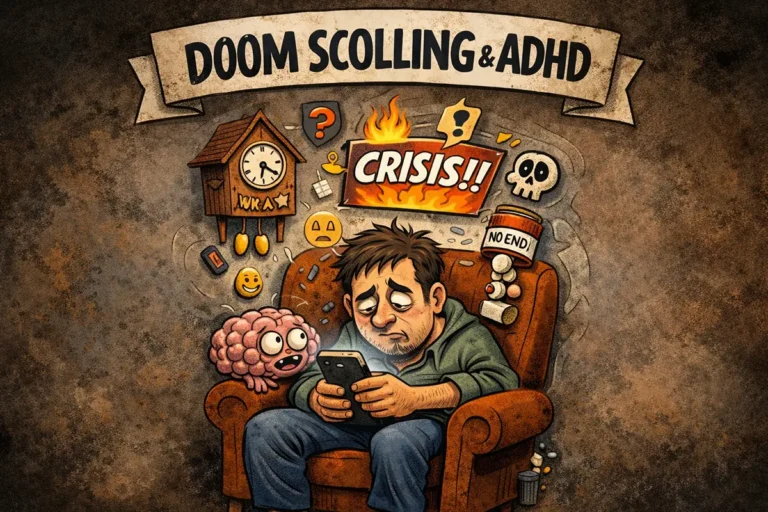
If you have ADHD, doom scrolling isn’t about laziness or poor discipline—it’s what happens when a novelty-seeking brain meets infinite scroll and threat-based content. This post breaks down why ADHD brains are especially vulnerable to doom scrolling, how anxiety can hijack attention, and why shame doesn’t work. Instead of “scroll less” advice, you’ll learn how to change the environment, add real stopping cues, and give your brain somewhere safe to land.
Are Snapchat and TikTok actually dangerous for teens? The real risk isn’t the apps themselves—it’s how they blur privacy, permanence, and performance in ways adolescent brains aren’t equipped to manage. Drawing on clinical work and lived parenting experience, this post explains how online harm often unfolds, why shame makes safety worse, and how families can use practical, non-judgmental tools to help teens protect their agency, make safer choices, and ask for help before mistakes become permanent.
Most of us want change without discomfort, yet friction is often the first sign that something new is beginning. This post explores what it truly means to be “change ready,” why mindset matters more than willpower, and how resistance signals growth rather than failure. By shifting your internal narrative and reclaiming a sense of agency, you can move out of old patterns and toward meaningful, sustainable change—even in a world designed to keep you comfortable and distracted.
Even with constant contact, many of us still feel alone. Digital messages keep us informed, but they don’t always make us feel known. This post explores why digital closeness can’t replace real intimacy—and how passive scrolling, texting, and divided attention quietly erode connection. Learn the difference between “warm” and “cold” interactions, why presence matters more than frequency, and three simple rituals to turn everyday communication into deeper, more satisfying relationships.
Late-night symptom searching often starts with reassurance and ends in panic. When uncertainty meets endless medical content, anxious brains fixate on worst-case explanations—a pattern known as cyberchondria. Fatigue, doomscrolling, and reduced self-control at night make the spiral worse, not better. This piece explains why “just Googling it” backfires and offers a gentle Pause and Ground approach to interrupt the loop, protect your nervous system, and regain calm without ignoring your health.
When emotions run high, texting can turn small misunderstandings into full-blown arguments. Without tone, body language, or real-time feedback, our brains fill in the gaps—often with stress and assumption. This post explores why texting arguments escalate so quickly and introduces a simple Pause and Redirect framework to reduce digital conflict. Learn how creating distance, checking in with your nervous system, and moving hard conversations off-screen can protect connection and restore calm.
Winter mornings often start with a phone, not the sun. While scrolling may feel like a wake-up ritual, blue light and reactive content can overstimulate your nervous system before the day begins. This post explores why swapping screens for real light, gentle movement, and sensory grounding can lift mood and restore calm. Learn how small morning shifts not rigid routines support winter wellness and sustainable digital balance.
Nights don’t unravel because you lack discipline, they unravel because your brain hasn’t had a clean transition out of the digital world. When screens stay on until sleep, your nervous system stays on, too. This 15-minute evening reset isn’t about rigid routines or perfection. It’s about creating a gentle boundary between stimulation and rest—so your body can exhale, your mind can settle, and sleep can actually do its job.
If you have ADHD, rest can feel strangely uncomfortable—even guilt-inducing. You may be exhausted, yet unable to stop, reaching for your phone instead of truly recharging. This isn’t laziness; it’s neurobiology. ADHD brains struggle to shift from “go mode” to rest, and digital scrolling often becomes a poor substitute for real recovery. This article reframes rest as a regulation strategy, offering gentle, science-backed recovery rituals for guilt-free downtime.
Mid-January can feel strangely flat once the holiday buzz fades. Motivation dips, scrolling increases, and life can feel muted—not because you’ve failed, but because your brain is recalibrating after a dopamine-rich season. This post explains the January slump through a nervous system lens and offers gentle, sensory resets that support mood and energy without willpower, pressure, or a forced “new year” overhaul.
A few weeks into the new year, motivation often fades and stress quietly takes its place. This post explores why traditional resolutions burn us out, how habit fatigue affects the nervous system, and why it’s not a discipline problem. With research-backed insights and a simple 48-hour reset approach, you’ll learn how to step off the pressure loop, regain clarity, and create sustainable change without forcing a “new you.”
YouTube’s autoplay can turn one quick video into an endless binge watching spiral, leaving you overwhelmed and unfocused. If you’ve ever lost hours to the algorithm, you’re not alone. This guide shows you how to reclaim control with a simple three-step routine: disable autoplay, build a “watch later” habit, and set a 3-video limit. By creating intentional boundaries, you’ll break the multitasking cycle, sharpen your focus, and free up time for what really matters.
If you’ve ever downloaded the “perfect” planning app only to abandon it days later, you’re not alone. For people with ADHD, the very tools marketed as productivity hacks often trigger distraction, dopamine chasing, and task paralysis. Complex features and constant notifications overwhelm executive function, leaving you more stuck than supported. This post unpacks why digital systems backfire for neurodivergent brains and offers low-friction planning strategies that reduce overwhelm and help you create routines that actually stick.
Screens are everywhere, but real joy comes from stepping away. This guide offers 10 engaging digital-free activities that help families, friends, and wellness-seekers reconnect offline. From phone-free dinners and analog game nights to mindful nature walks and journaling, each idea is practical, fun, and easy to try. Whether you’re craving laughter, creativity, or calm, these screen-free ideas provide a refreshing antidote to digital overwhelm and create meaningful moments that last far beyond the scroll.

The shift from summer freedom to fall structure can feel overwhelming, deadlines pile up, notifications never stop, and stress skyrockets. This post-summer burnout is more common than you think, and it’s fueled by digital overwhelm and constant connectivity. The good news? You don’t need a full detox retreat. By adding small, intentional micro-habits; like 15-minute resets, alert regulation, and sleep hygiene; you can ease re-entry anxiety and build a sustainable productivity reset for the semester or work season ahead.
We’re more connected than ever, yet many of us feel increasingly alone. Hours spent online may boost virtual interactions, but they quietly weaken our real-world bonds. Likes and comments can’t replace meaningful conversations, and over time, screens can crowd out the moments that truly matter. This is the crisis of digital loneliness: a full feed, but an empty heart. Reclaiming balance starts with protecting offline time and choosing authentic connection over endless scrolling.
Fitness tracking can be a powerful tool but when every step, heartbeat, and sleep cycle is measured, the numbers can start to own you. Instead of boosting motivation, constant monitoring often fuels stress, sleep tracking anxiety, and wearable overload. This post explores when tracking crosses the line from helpful to harmful, and how to reset with mindful strategies that protect your focus, rest, and overall well-being while still reaping the benefits of technology.